Put a card in the parcel: turning physical buyers into repeat ones
You post the parcel yourself, so you decide what goes in it. A one-card insert that points at your digital shelf, and what to write besides a QR code.
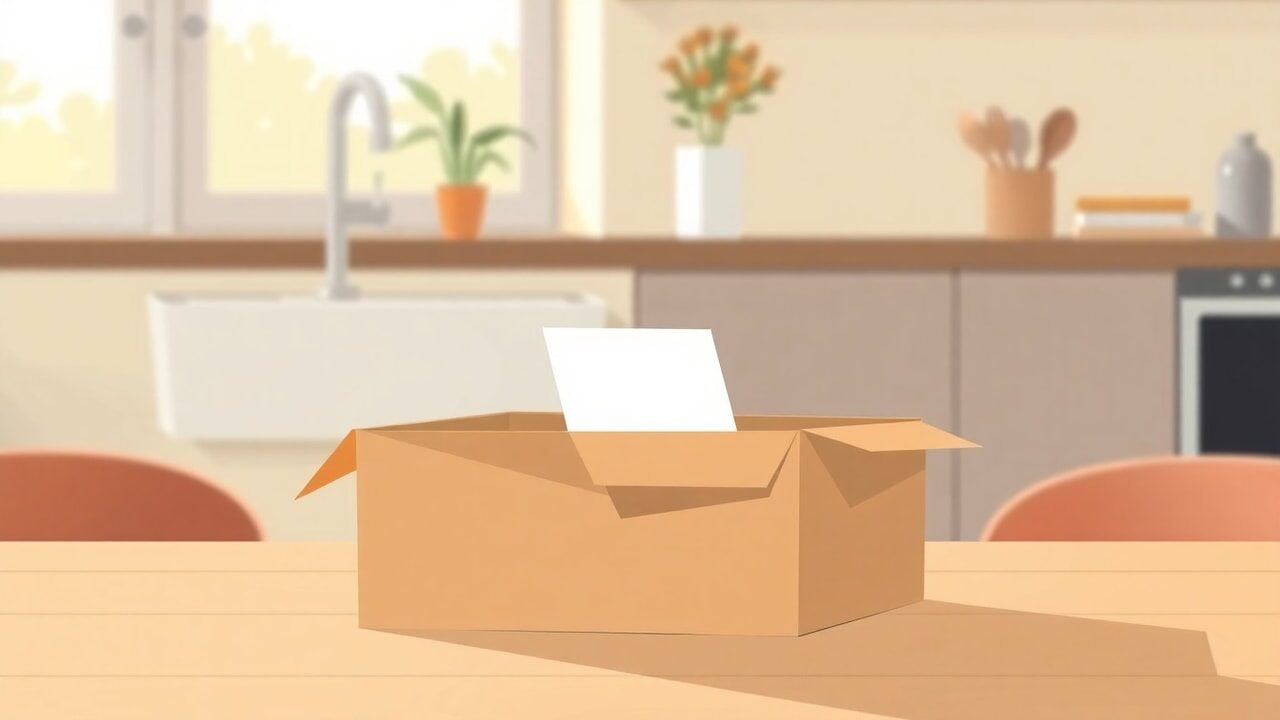
It is Tuesday evening and you are at the kitchen table with a roll of tape, six orders and a pen. This is the part of the business nobody photographs. It is also the only moment in the whole transaction where you get to put a physical object into somebody's hands with no algorithm in between. Most people use that moment for a compliments slip that says thank you. You can do considerably better than thank you, and it costs about seven pence a card.
The problem with physical customers
Somebody has paid you real money and given you their home address. By any sensible measure that is the most committed customer you have. And yet, for most small makers, that person is effectively anonymous afterwards. They bought a print, it arrived, they liked it, and neither of you ever thinks about the other again. The relationship ends when the tape goes on.
The hard part is that physical selling is expensive at the margin in a way digital selling is not. Materials, packaging, your time at the table, the trip to the post office, and the delivery fee that never quite covers what it actually costs. If a physical buyer only ever buys once, the whole thing sits on thin ground. The economics improve enormously the moment that buyer comes back or buys something with no unit cost, which is exactly what the card is for.
There is also a temptation to over-engineer this. Handwritten notes on every parcel, custom tissue paper, a wax seal. It is lovely and it does not scale past about fifteen orders a week, at which point you quietly stop doing it. Design the insert so it survives a bad week.
Two ways to run a postal order
The shipping work is the same either way — you are still packing the box. What changes is whether the order leaves you with anything beyond the money.
| A parcel on its own | A parcel with a card pointing home |
|---|---|
| Buyer's address sits in an order and is never used again | Buyer follows one card to a free download and joins your customer list |
| Every future sale needs a new advert to find them | You can reach them directly, because they gave you an email on purpose |
| Revenue is capped by how many boxes you can pack | Digital products sit on the same storefront with no unit cost |
| No idea whether the insert did anything | Traffic source and per-product analytics show what the card sent |
| Thank-you slip says thank you | Card asks for one small action worth taking |
| Repeat business relies on memory | Repeat business relies on a list you can export to CSV, on any plan |
What to actually put on the card
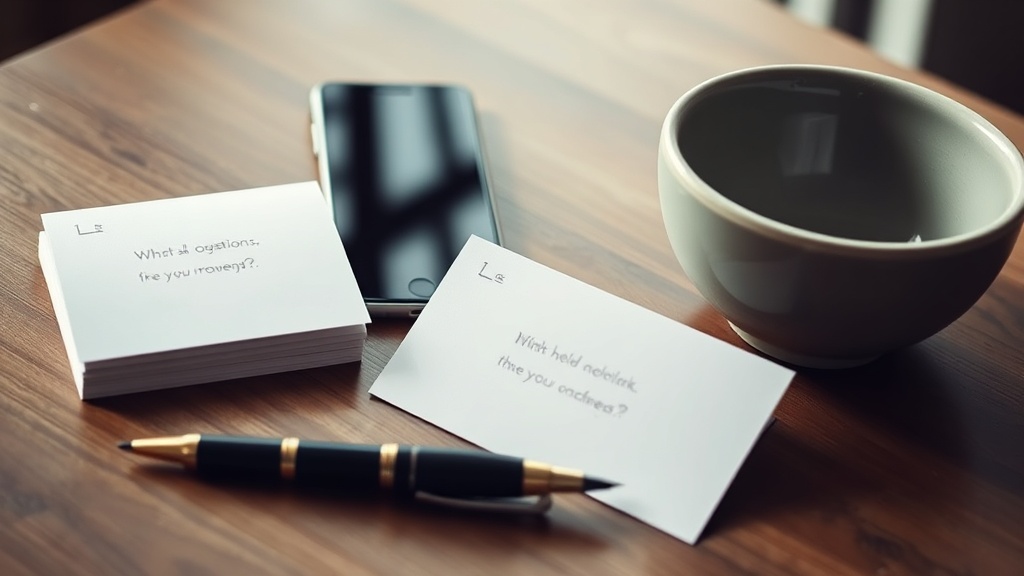
Front and back of a business-card-sized piece of stock, or an A6 postcard if you want room. Print a batch of 250 and keep them in the packing box. Work through this list before you send anything to a printer.
The insert checklist
0/8The destination is the decision that matters. A $0 product works best because claiming it is frictionless and it writes the person into your customer list with a lifetime value figure attached from their first order onwards. If you sell prints, give away the framing and care guide. If you sell yarn, give away the pattern. If you sell coffee, give away the brew ratios card as a proper file rather than a leaflet they will lose.
How the numbers might move
Suppose you post 60 parcels a month. Cards cost you perhaps £15 for a batch that lasts four months. Some share of those 60 buyers will scan the code — inserts tend to do better than most digital calls to action because the person is physically holding your work while they read it, though the actual rate depends entirely on how well the free thing matches what they bought. If a fifth of them claim it, that is a dozen names a month who have already paid you once.
Twelve a month is 144 in a year, and those are not cold subscribers. Each of them has an order history and a lifetime value showing in your customer list. When you eventually release a digital product, a workshop, or a second run of something, you are not launching into a feed. You are writing to people who have your work in their house. No promises about what that converts at — but it is a fundamentally different starting position from a follower count.
Set up the free download your parcel card should point at.
Open a free storeWhere this usually goes wrong
People print the card with a discount code for the next order and treat that as the strategy. It feels commercially sensible and it is the weaker move, for two reasons. First, a discount card only works on someone who was already going to buy again, so you are paying for repeat business you would have had anyway. Second, it collects nothing — the buyer either uses the code or bins the card, and either way you still cannot contact them. Lead with something free that requires an email, and save the discount for the message you send three weeks later. Discount codes are available on the Pro plan, and they are far more useful pointed at a list than printed on cardboard.
No. You pack and post every parcel yourself. store.fan collects the full delivery address and the flat delivery fee you set, shows both to the buyer before payment, and records the order — but there are no carrier labels, no tracking and no fulfilment.
Name a flat fee per product that reflects your worst realistic case, including packaging. It is displayed before payment and it survives discount codes, so a buyer using a code still pays postage. Work it out on your heaviest item rather than your lightest.
Yes. All ten product types sit on one storefront, so a print, a pattern download and a paid workshop can live side by side. That is what makes the insert worth printing — there is somewhere for the buyer to go that costs you nothing to fulfil.
Almost, but write the URL out as well. Some people photograph the card instead of scanning it, some are on a laptop by the time they get round to it, and QR codes fail more often than you would think on matte stock in poor light.
Everything else in your marketing is an attempt to interrupt a stranger. The card in the parcel is the opposite: it arrives in a box the person chose, paid for and was pleased to receive. Treat it with the seriousness that deserves, print 250 of them, and stop writing thank you on its own. If you want to see how the digital side sits next to the physical one, the pricing page lays out what each plan includes, and the platform fee is 0% on all of them.
Give your next parcel somewhere to point, before the next print run.
Create your storefrontTurn your knowledge into income
Launch your Store.Fan in minutes — sell digital products, courses, and calls straight from your bio. Free to start.