Turning First-Time Buyers Into Repeat Customers Using Your Customer List
Your customer list is a goldmine sitting untouched in your dashboard — here's how to mine it.
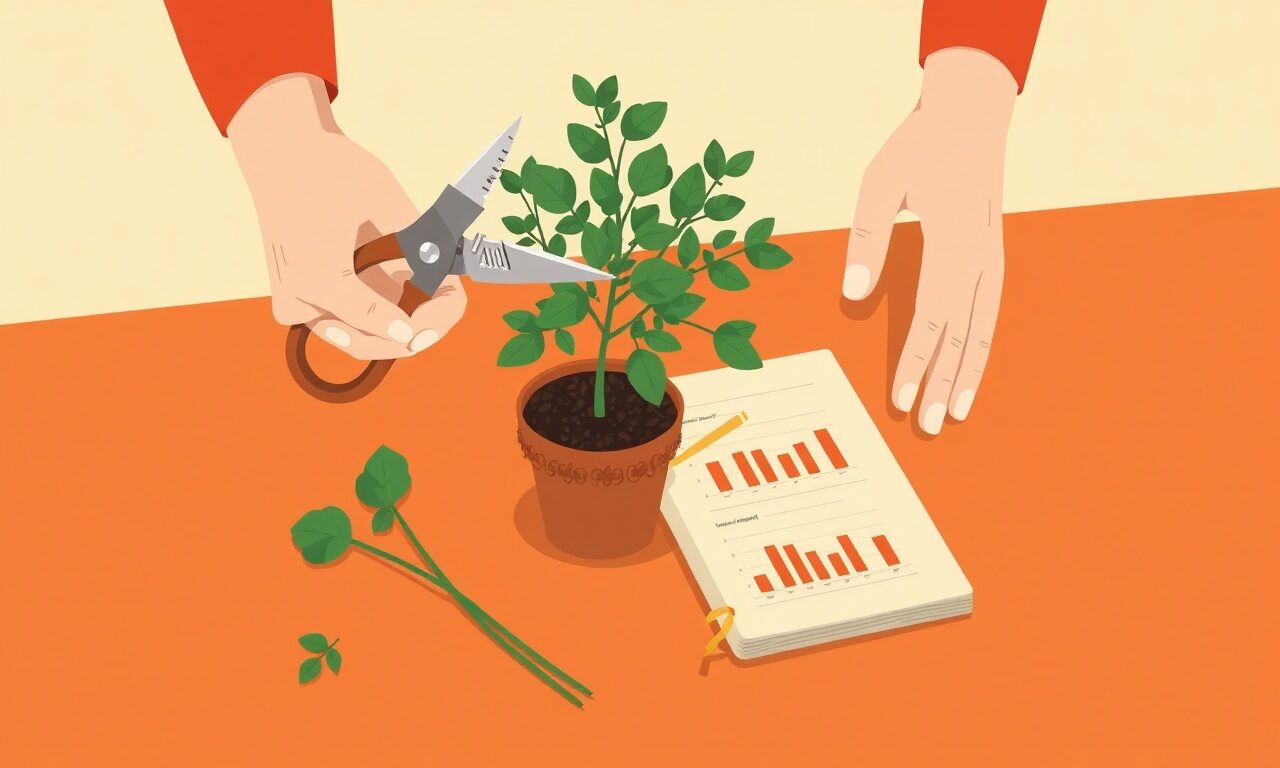
Most creators treat their customer list like a receipt drawer — something you glance at to confirm a sale happened, then forget. Meanwhile they're pouring hours into finding new followers and chasing reach to get strangers to buy for the first time. That's backwards. The people already on your customer list have done the hardest thing a stranger can do: trusted you enough to pay once. Getting them to buy again is dramatically cheaper than finding someone new — and your dashboard already has everything you need to do it. You just have to look at the list as a set of segments instead of one flat pile of names.
Stop treating your customer list as one audience
Every name on your customer list is there because they bought something, but that's where the similarity ends. A person who bought your $9 template yesterday is in a completely different headspace than someone who bought your $200 coaching package four months ago and never came back. Blast both the same broadcast and you'll under-serve one and annoy the other. The fix isn't more content — it's slicing the same list three ways before you decide what to send.
- By recency: when did they last buy — days ago, weeks ago, or months ago?
- By product: what did they actually buy, and what does that tell you about what they'd want next?
- By spend level: did they buy your cheapest thing, or have they already shown they'll pay for your premium offer?
None of this requires new tools — just five minutes with your existing customer list and a notepad to jot down which names fall where. Once you can see the buckets, the emails you send stop being generic updates and start being offers that feel personally relevant, because they are.
Segment one: recency — the 30/90/180 window
Recency is the fastest lever to pull — it doesn't require judgment calls about what someone might like, just how warm the relationship still is.
0-30 days: the afterglow window
Someone who bought in the last month is still in a positive frame of mind about you. This is not the moment to pitch aggressively — it's the moment to over-deliver. A short check-in broadcast asking how they're getting on with what they bought, zero ask attached, does more for lifetime value than a discount code ever will.
31-90 days: the natural next-offer window
This is where a second purchase is easiest to earn: the first is fresh, but the afterglow has worn off enough that a real offer doesn't feel pushy. If you sell a value ladder — say, a template pack that leads into a course — this is the window to pitch the course, referencing the fact they already own the template. A line as simple as "since you already have the template, here's what happens when you add the full course" beats a cold pitch by a wide margin.
90-180+ days: the win-back window
Anyone who bought once and has gone quiet for three to six months isn't lost, but needs a different nudge than a recent buyer does. This is the segment where a time-boxed discount code earns its keep — a tool to re-activate specific dormant names, not a brand personality trait. A simple "it's been a while" broadcast paired with a short-window code routinely wakes up a chunk of a list a generic newsletter never would.
Segment two: what they actually bought
Purchase history is the closest thing you have to a taste profile, more reliable than anything a customer would tell you directly. Someone who bought your budgeting template already told you, with money, that they care about personal finance — so the next pitch should live in that lane, not a random unrelated offer.
- 1Pull the list of buyers for your best-selling product.
- 2Look at what you sell that's a natural next step up or sideways from it — a deeper course, a template bundle, a coaching call to apply it.
- 3Write one broadcast that starts from the product they already own, not from scratch.
- 4Send it only to that segment, so the reference to "since you got the template" is actually true for every recipient.
This is also where cross-selling between different product types works best. A buyer of your free lead magnet who converted to a paid ebook has shown they'll consume your free content and pay once persuaded — exactly the profile most likely to say yes to a live webinar or a 1:1 coaching call next.
Your best customer list isn't your biggest one — it's the one where every name already told you, in cash, what they want more of.— store.fan team
Segment three: spend level and the ladder-up ask
Not every past buyer is priced the same in your funnel, and treating a $12 download buyer and a $150 coaching client identically wastes the second group's potential. Spend level tells you who's already shown willingness to pay more.
- Low-ticket only buyers: these customers have proven they'll pay you something, but haven't been asked to pay more yet. Test a mid-tier offer with them before assuming they're only ever "budget" customers.
- Buyers who've bought more than once, even at low ticket: repeat behavior at any price point is a stronger loyalty signal than a single large purchase — these are your most reliable audience for a new launch.
- Your highest spenders: this is the smallest, most valuable segment on your entire list. A short personal note or an early-access preview before a public launch costs you five minutes and tends to convert far above the rest of the list, because you're treating them like the top customers they actually are.
Most creators get this backwards: the most broadcast energy goes to the biggest segment (low-ticket buyers) and the least to the smallest, highest-value one. Flip that ratio — a five-minute personal email to your twenty highest spenders often moves more revenue than a broadcast to your entire list.
Turn the segments into a repeatable monthly habit
None of this works as a one-time project — the value comes from a light monthly pass. Block fifteen minutes once a month to re-check your customer list against the lenses above, because segments shift constantly: yesterday's 0-30 day buyer is next month's upsell target.
- 1Skim the customer list for anyone who crossed into the 31-90 day window since your last check — send them the next-offer broadcast.
- 2Skim for anyone who crossed into 90+ days quiet — send the win-back broadcast with a time-boxed discount code.
- 3Pick one product's buyer list and send one relevant cross-sell, referencing what they already own.
- 4Send a short personal note to your top handful of spenders, ahead of anything you're about to launch publicly.
The through-line is the same across every segment: the broadcast tool you already use can send a different message to a different slice of your list, and your discount codes are the lever for the coldest segment, not the whole list at once. Nothing here requires a new platform to learn — just looking at the list you're sitting on as three overlapping questions (when, what, how much) instead of one undifferentiated pile of email addresses. Do that consistently, and your existing customers become the most predictable source of revenue in your store.fan business.
Turn your knowledge into income
Launch your Store.Fan in minutes — sell digital products, courses, and calls straight from your bio. Free to start.