Why Your Broadcast Emails Are Landing in Spam (and How to Fix It)
Great emails don't matter if they never reach the inbox — here's what quietly triggers spam filters and how to keep your broadcasts out of the junk folder.
You wrote a great broadcast. The subject line is punchy, the offer is real, the send button felt good to click. Three hours later your open rate is sitting at 4%, and you know — deep down — this isn't a "my audience just wasn't interested" problem. It's a "half of them never saw it" problem. Spam filters don't send you a rejection notice. Your email just quietly disappears into a folder nobody checks, and you're left staring at a dashboard trying to figure out what went wrong. The frustrating part is that deliverability isn't random luck — it's a set of signals mail providers watch for, and most creators are tripping the same handful of wires over and over without knowing it.
Start with your list, not your copy
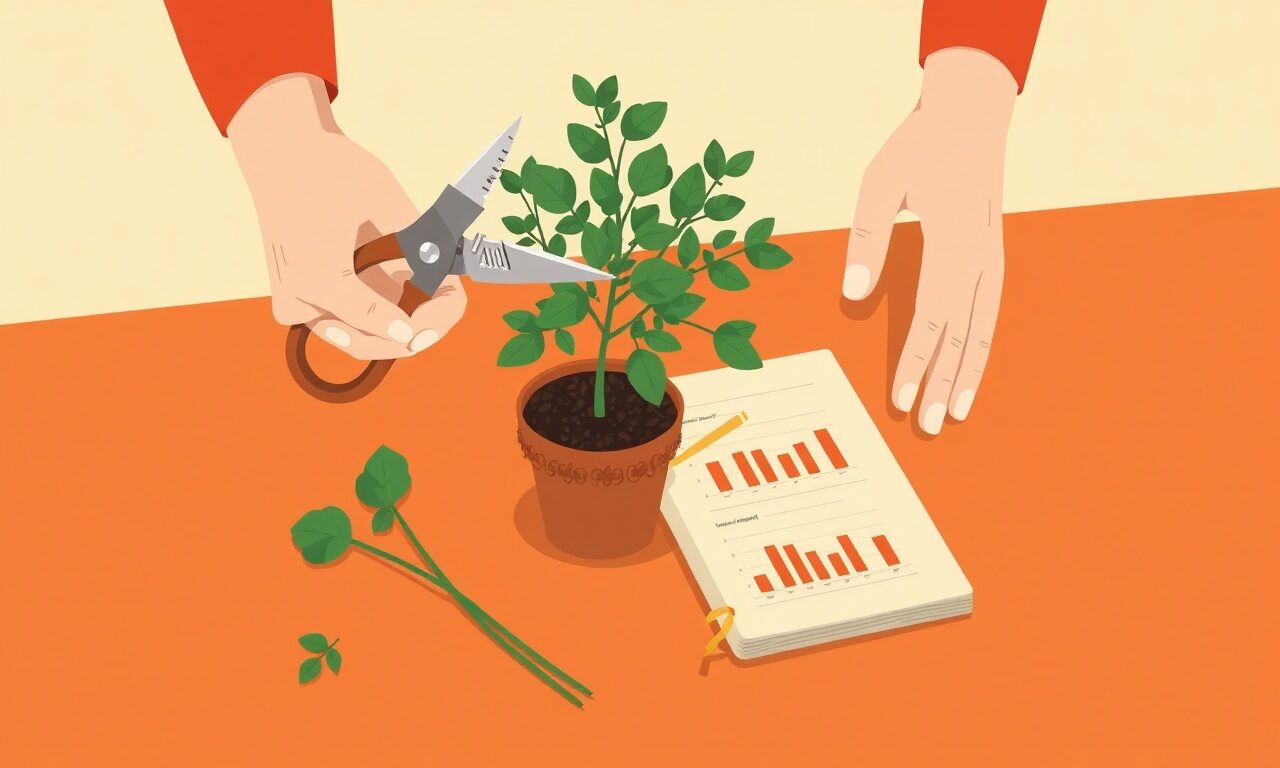
Most creators troubleshoot deliverability backwards, rewriting the subject line five times before ever looking at who's actually on the list. But mail providers like Gmail and Outlook build a reputation score around your sending domain and your audience's behavior — a messy list damages that score before a single word of copy matters. If you've imported an old spreadsheet, scraped emails from a giveaway, or held onto every buyer from three years ago who's never opened a single email since, you're sitting on dead weight working against you. Every send to an inactive or invalid address is a small negative signal, and enough of them push providers to start routing everything from you to spam — including the emails your genuinely excited customers actually want.
This is exactly why your customer list inside store.fan matters as more than a records-keeping tool. Every buyer who's paid you is captured automatically, but that doesn't mean everyone on the list should get every broadcast forever. Prune it like you'd prune a garden — quarterly, at minimum.
List hygiene checklist (do this before your next broadcast)
0/5The trigger words and formatting habits still hurting you in 2026
Filters have gotten smarter, but some patterns remain reliably risky because spammers still overuse them. If your broadcast reads like a late-night infomercial, it gets scored like one — regardless of how legitimate your offer actually is.
| Red flag | Why it hurts you | What to do instead |
|---|---|---|
| ALL CAPS SUBJECT LINES | Reads as shouting; heavily weighted spam signal | Sentence case, maybe one word emphasized with |
| "FREE!!!", "ACT NOW", "100% GUARANTEED" | Classic spam-trigger phrasing filters are trained on | Say the same thing plainly: "free template, this week only" |
| Excessive exclamation points!!! | Common in scam and low-quality bulk mail | One exclamation point, max, per email |
| Email is just one big image or one link | Looks like a phishing attempt with nothing to scan | Real sentences plus a clear text link |
| Misleading subject vs. body content | Triggers spam complaints, which hurt you badly | Subject should match the actual offer exactly |
| No plain-text alternative, huge fonts, giant color blocks | Reads as "marketing spam" over "personal email" | Keep formatting simple, mostly plain paragraphs |
Frequency: the silent reputation killer
Here's the pattern deliverability data shows over and over: creators who broadcast daily during a launch week see opens crater by day three, not because the offer got worse, but because inboxes start deprioritizing a sender who shows up too often. Send five emails in five days to the same list and you'll train Gmail's Priority Inbox to quietly stop surfacing you at the top, sometimes past the launch. A better cadence: one strong broadcast per week for general updates, with short 2-3 day flurries reserved only for real, time-boxed launches — capped at two or three sends total, not one per day.
If you're running a real countdown — say, a discount code expiring in 48 hours — that's a legitimate reason for a short burst. Just make sure each email in the burst says something genuinely new (a bonus added, a price increasing, a final reminder) rather than resending the identical pitch three times.
Engagement is the metric that actually protects you
Inbox providers care far less about your list size than about what your list does with your emails. Opens, clicks, replies, and "move to inbox" actions are all positive signals; deletes-without-opening, spam-button clicks, and long stretches of silence are negative ones. This is why a tight, engaged list of 500 people who open, click, and occasionally reply will outperform a bloated 5,000-person list that mostly ignores you — on every metric that matters, including whether you reach the inbox at all.
Two easy ways to boost engagement signals directly through store.fan: reply-worthy content, and a real reason to click. Ask a genuine question in your broadcast and point people to your built-in inbox — a reply is one of the strongest trust signals a mail provider can see, and it costs you nothing extra since replies land in a place you're already checking. Second, always give the email a real destination: a new product, a limited discount code, a fresh blog post. An email with nowhere to click trains readers to skim and archive, which quietly erodes your engagement score over time.
Deliverability isn't about tricking a filter. It's about earning the same trust from an algorithm that you'd earn from a person — show up consistently, say something worth opening, and don't wear out your welcome.— store.fan deliverability notes
A pre-send checklist for every broadcast
Before you click send on your next campaign, run through this quickly. It takes under two minutes and catches the vast majority of deliverability mistakes before they cost you an inbox placement.
Before you hit send
0/7Why this is worth fixing, not just tolerating
It's tempting to shrug off a low open rate as "just how email is now." But broadcasts are one of the highest-leverage tools available once you create your store — the one channel where you own the relationship outright, with no algorithm deciding whether your audience sees the post. A social platform can change its reach overnight; your customer list can't be de-platformed. That leverage only pays off if the emails actually land. A creator with 2,000 engaged subscribers and clean sending habits will consistently out-earn one with 20,000 subscribers stuck in spam purgatory, because the entire business of repeat sales, launches, and upsells runs through that inbox.
If you're not yet using broadcasts, it's worth seeing a live example store to get a feel for how creators layer emails, discount codes, and product drops together. And if you're weighing whether the deliverability tools and full customer list access are worth the upgrade, check pricing for the plans and what's included at each tier.
Clean up your list, tighten your next broadcast, and start rebuilding trust with the inbox — for free.
Start freeNo — the platform you send from matters far less than list hygiene, content, and frequency. The signals covered in this article (bounces, trigger words, send cadence, engagement) apply regardless of the tool. Keep your list clean and your content genuine and you'll see solid inbox placement.
Roughly weekly for general updates is a safe baseline, with short 2-3 email bursts reserved for real launches or expiring discount codes. Daily sends to your whole list, even during a big promotion, tend to backfire on open rates within a few days.
Segment them out rather than deleting outright — try one re-engagement email asking if they still want updates, then suppress anyone who doesn't respond. A smaller, engaged list protects your sender reputation far better than a large, silent one.
The word "discount" or a percentage isn't the problem — it's how it's framed. "20% off ends Friday" reads fine; "SAVE 90%!!! ACT NOW!!!" reads as spam. Keep the tone matching a normal update from someone your subscriber actually bought from.
Check the FAQ for common questions first, and if you're still stuck, contact support — they can look at your specific sending patterns. You can also browse more guides on growing and monetizing your list.
Turn your knowledge into income
Launch your Store.Fan in minutes — sell digital products, courses, and calls straight from your bio. Free to start.