Lead magnets that work for B2B consultants, and the enquiries they bring
Diagnostic scorecards, benchmark data and templates a manager can take into a meeting. Five formats and the kind of enquiry each one attracts.

Your guide has been downloaded four hundred times and produced no enquiries at all. That is the usual state of affairs for a consultant's lead magnet, and the reason is rarely quality. It is that the thing was written to be read and admired, and the buying decision in your market does not happen while somebody is reading. It happens in a meeting, three weeks later, when a manager has to make a case to someone above them and needs a piece of paper to point at. If your download is not that piece of paper, it does not matter how good it is.
Why the good guide produced nothing
Consultancy is bought by committees, slowly, on the basis of risk rather than enthusiasm. Nobody reads an excellent article on operations and rings a stranger the same afternoon. What actually happens is that a manager becomes newly worried about something, spends a fortnight quietly checking whether the worry is justified, and only then goes looking for outside help, usually with a budget number already in mind.
So the job of the download is not persuasion. It is to arm someone during the fortnight of quiet worry. Give them something that turns a vague unease into a specific finding, ideally a finding with a number attached, and you have changed their internal conversation from "I think we have a problem" to "we score 4 out of 10 on this and here is the sheet". That is when a consultant gets called.
The genuinely difficult part is that this takes real substance. Anything that reads as a brochure gets skimmed and forgotten, and anything genuinely useful takes days to make and gives away material you might have charged for. There is no clever way around that trade. The consultants who get enquiries from downloads are the ones who gave away something they could have sold, and the reason it works is precisely that it was worth selling.
An ungated PDF versus a $0 product
Most consultants publish the file as a link on a website and stop there. Running it as a free product changes what you know afterwards.
| A PDF linked from your site | A $0 product on store.fan |
|---|---|
| You know a download count and nothing else | You know who, from where, and when |
| No list is built, so nothing compounds | Every downloader joins your customer list automatically |
| No way to ask a qualifying question | Order-form questions collect role, company size or the problem |
| Updating the file means re-uploading and hoping people notice | Replacing the file updates it for everyone who already has it |
| Nothing sits beside it to take the next step | A paid diagnostic or a bookable call is one card away |
| Traffic source is a guess | Per-product analytics show views, downloads and where they came from |
Five formats, and what each one drags in
These are ordered roughly by how quickly they turn into a conversation. The first two produce the most enquiries; the last two build authority more slowly and attract better-qualified people when they do land.
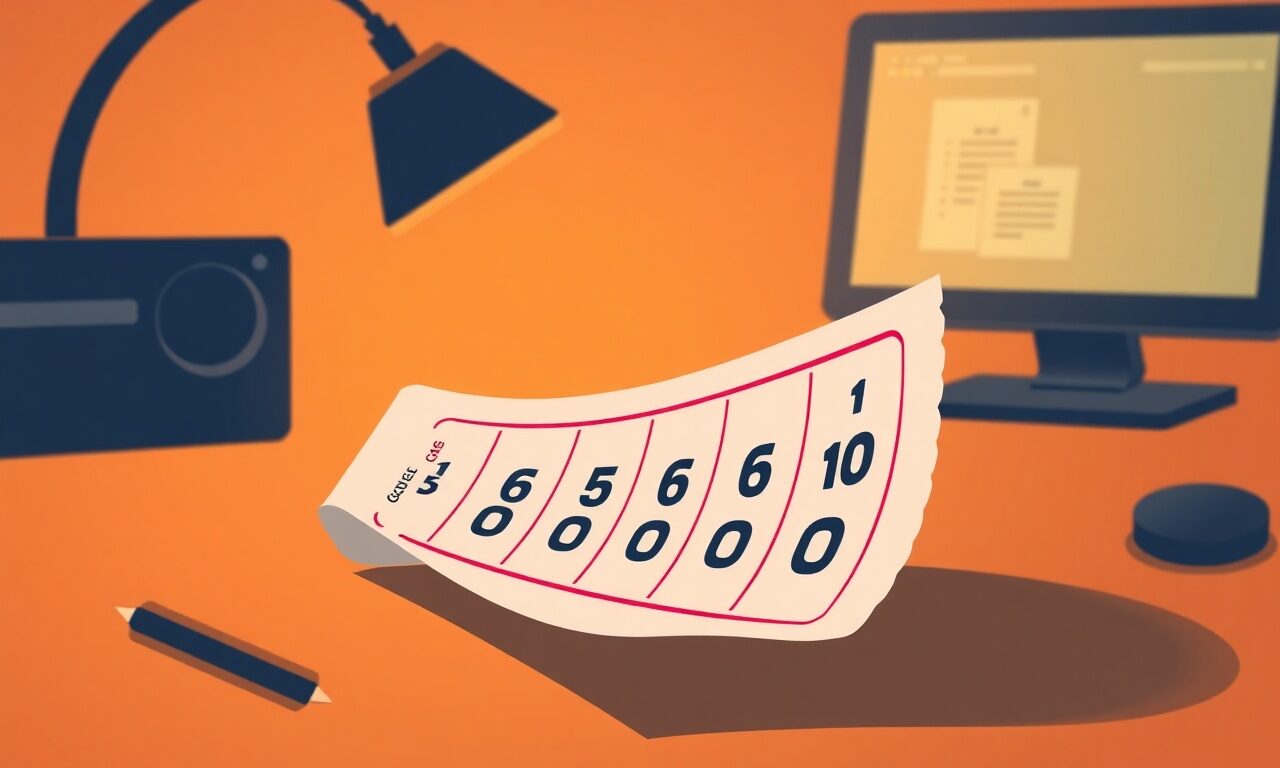
- A diagnostic scorecard. Fifteen to twenty statements the reader marks honestly, with a scoring band at the end. It works because the output is a number they did not have this morning, and a bad number is a thing you have to tell your boss about. Expect enquiries from people who scored badly and want to know how bad is bad.
- Benchmark data. What comparable organisations actually pay, staff, or take to do a thing. Even a modest sample from your own client work beats nothing, provided you are transparent about the sample size. This attracts the budget-holder rather than the practitioner, which is a shorter path to a signed engagement.
- A template that saves a real afternoon. A board paper structure, a supplier scoring matrix, an onboarding checklist with the fields already named. The reader uses it, their colleagues see your framing inside their own document, and your name is attached to the thing that made the meeting go well.
- A compliance or process checklist. Narrow, dated, tied to a specific obligation. It gets forwarded internally more than anything else on this list, because nobody wants to be the person who did not circulate it. Enquiries arrive later and are usually urgent.
- A worked teardown. One anonymised example, examined properly, with the reasoning shown and the mistakes named. This is the slowest to convert and the one that produces the best-fit clients, because anybody who reads twelve pages of your reasoning and still calls you has already decided how you think.
Building it as a product rather than a link
The mechanics take about half an hour. The point of running a free thing through a real checkout is that everything downstream, the list, the analytics, the follow-up, comes for free with it. How the product type works is covered on the lead magnets page.
- 1Create a digital download and set the price to $0. It goes through a normal checkout, delivers instantly to a private order page the buyer can return to, and puts the person on your customer list.
- 2Name it after the outcome rather than the format. "Supplier risk scorecard" beats "Free guide to supplier risk", because one is a tool and the other is marketing.
- 3Add two order-form questions and no more. Role and company size are usually the right two; a short-answer question about the current problem is the best third if you only ever ask three.
- 4Write the description for the person who has to justify their download internally. Say who it is for, how long it takes to complete, and what they will have at the end.
- 5Put a bookable call on the same page, priced or free, so the reader who is already convinced does not have to go hunting for your calendar.
- 6Check the traffic source in your per-product analytics after a fortnight. A scorecard doing well from LinkedIn and nothing from your newsletter tells you where to put the next one.
- 7When your thinking changes, replace the file. Everyone who already downloaded it gets the updated version on their order page, which is a good reason to send them a note.
- 8Export the list as a CSV whenever you want it in your own systems. That works on every plan, including Free.
A scorecard, a quarter later
Suppose you publish a twenty-statement diagnostic for operations managers at mid-sized manufacturers. Over a quarter it is taken by perhaps a hundred and fifty people, mostly from one LinkedIn post that did unusually well and a mention in a trade newsletter. Of those, a fraction are students and competitors, a large group are practitioners with no budget, and a small number are the people you actually wrote it for.
The value is in being able to tell them apart, and the order-form answers do that. Filter your customer list to the operations directors at companies above a certain size and you may be left with fifteen names. That is your quarter's work: fifteen people who have self-diagnosed a problem you fix, in writing, at their own initiative. What you do with those fifteen is a personal email each, referencing the thing they said, offering something specific and small. No promises about how many reply, and honestly the answer some quarters is one. One is enough in consultancy, which is the whole reason this format suits the trade.
Publish your first $0 diagnostic, collect the two questions that matter, and own the list it builds.
Build a lead magnetThe mistake: writing for the buyer instead of the champion
Consultants habitually address the person who signs the contract, because that is who they want to hear from. But the person who downloads things is almost never the signatory. It is the manager two levels down who has noticed something, has no authority to hire you, and is looking for evidence. Write for them and your document becomes the tool they use to raise the issue upwards, with your name on every page as it travels. Write for the signatory and you produce something faintly grand, full of transformation and partnership, that the manager will not forward because forwarding it would look like advocating a purchase they cannot authorise. The lead magnet's job is to make somebody else's internal argument easier. Give them the ammunition, put your name in the footer, and let the meeting do the selling.
A $0 product is already a form: the buyer goes through checkout, so you get their name and email plus whatever you asked on the order form. That is enough gating for almost every case. Adding more fields on top mostly costs you the senior readers you were hoping to reach.
In practice it tends to sell the audit. A self-scored diagnostic tells someone they have a problem and gives them no confidence about the size of it, which is exactly the state in which people commission outside work. Keep the scoring honest and the follow-through paid.
Two or three, aimed at genuinely different problems, so that which one a person chose tells you something. Ten thin ones tell you nothing and are ten files to keep current.
Yes, and you should. One storefront holds ten product types, so a free scorecard, a paid template pack, a bookable strategy call and a paid webinar can sit together. Anything digital is delivered instantly to a private order page.
Make the thing a manager can print. Give it a number at the end, put two questions in front of it, and keep the file current as your thinking changes. Then leave it alone for a quarter and read the list rather than the download count, because in this trade fifteen right names is a better result than four hundred wrong ones. If you want to see what else can sit on the page beside it, the features page lists the ten product types and the pricing page shows where full analytics begin.
Every downloader joins a customer list you can export as a CSV on any plan, including the free one.
Start for freeTurn your knowledge into income
Launch your Store.Fan in minutes — sell digital products, courses, and calls straight from your bio. Free to start.