How Many Seats? Setting the Right Cohort Capacity for Scarcity and Sanity
Too many seats kills intimacy, too few kills revenue — here's the math for finding your sweet spot.
Every cohort creator hits the same wall around week two of planning a launch: what's the number? Not the price — the seat count. Cap it at 12 and you might leave real money on the table. Open it to 200 and you've quietly turned an intimate, high-touch program into a webinar with a Slack channel nobody checks. Capacity isn't a vanity metric you back into after picking a price — it's a two-sided constraint. Your bandwidth sits on one side, your buyer's fear of missing out sits on the other, and getting it wrong in either direction costs you something real: burnout on one end, empty urgency on the other. The right number is calculable, not guessable, and the tools to enforce it — tiered pricing, discount codes, and honest scarcity — take an afternoon to set up.
The two-sided constraint
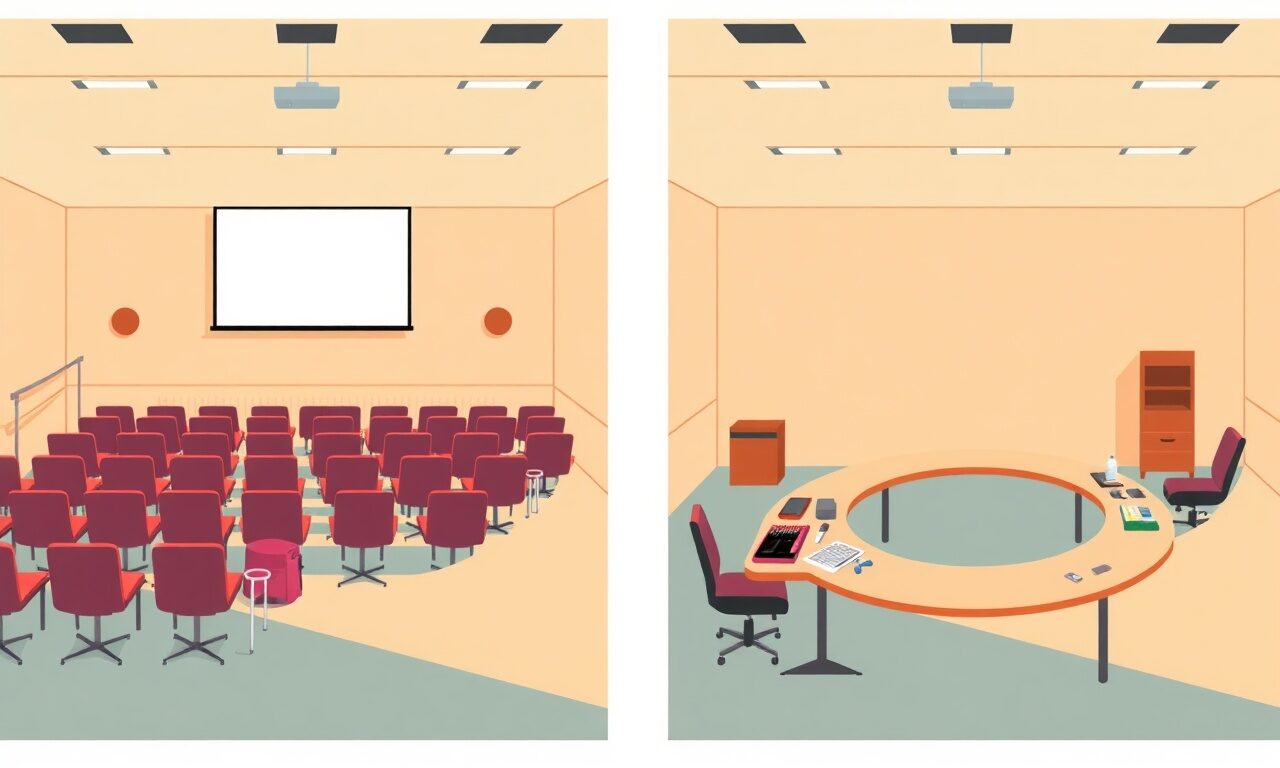
Most capacity decisions get made from one side only. Creators either ask "how much attention can I actually give each student?" and land on a tiny number, or ask "how do I make this look popular?" and land on a huge one. The real answer sits at the intersection: the largest cohort you can run without quality dropping, sized so it still feels genuinely limited to someone deciding whether to buy today or wait. Picture two curves crossing. Your bandwidth curve slopes down as headcount rises — more students means less time per student for feedback and Q&A. Your buyer's urgency curve slopes the opposite way — the smaller the room looks, the more a fence-sitter feels they need to act now. The seat count where those curves cross is your number, and it's almost never the round figure you'd pick by guessing.
Do the bandwidth math first
Before touching marketing copy, add up what a single student actually costs you across the cohort: live call minutes, async feedback, one-off DMs, grading time — then multiply by weeks. Group-call time is fixed whether you have 8 students or 40, but DM and feedback load scales with headcount. Budget 20 minutes of individual attention per student per week, and the math quickly tells you whether 40 seats means 13 hours a week you don't have.
| Cohort size | Weekly 1:1 time (20 min/student) | Realistic for a solo creator? |
|---|---|---|
| 10 | ~3.3 hours | Yes — comfortable alongside other work |
| 25 | ~8.3 hours | Yes, if this is your main focus that week |
| 50 | ~16.7 hours | Only with a co-facilitator |
| 100+ | 33+ hours | No — needs a team or an async-only format |
Layer in real scarcity, not theater
Once you know your ceiling, signal it honestly. Countdown timers that reset and "only 3 spots left" banners that never hit zero work exactly once per customer — the moment someone notices, they distrust every future launch you run. Real scarcity is boring by comparison and far more durable: a genuine cap, stated plainly, enforced by actually closing the cart. Say 30 seats, sell 30, close it.
Scarcity is a promise about the future. Break it once and every future promise gets discounted in the buyer's head.
Use discount codes to build a tiered capacity ladder
The most effective tactic for balancing both sides is a tiered structure enforced with discount codes, rather than one flat price for the whole cohort. Split your cap into tiers — the first 10 seats at a lower price via a limited-use code, the next 10 at standard price, the final 10 at a small premium as the closing-soon push. The early tier rewards decisive buyers and gives fence-sitters a reason to act today. The middle tier is your bread-and-butter revenue. The final tier makes the "selling out" story true, not theater, because the buyer can watch the price move rather than trust a widget.
- 1Set your total ceiling first, based on the bandwidth math above — say, 30 seats.
- 2Split it into three tiers of 10: early-bird, standard, and closing-soon.
- 3Create a limited-use discount code for the early tier, capped at 10 redemptions rather than a calendar date.
- 4Announce the tier structure up front so buyers know exactly what they're racing against.
- 5Retire each code the moment its tier sells out and update the page copy immediately — the enforcement step that makes the whole ladder credible.
This is worth setting up properly rather than approximating with one blanket discount. Discount codes with usage limits, built into your store.fan dashboard, cap redemptions at an exact number so the early tier closes itself the instant it's gone — no manual price-flipping mid-launch.
Signals you've got the number wrong
Signs your cap is off — and what to do about it
0/5Undersell vs. oversell: the costs differ
Undersell your capacity and the damage is mostly financial and immediate — a shorter revenue run, a waitlist that moves on before your next cohort. It stings, but it's recoverable next launch. Oversell your capacity and the damage is slower and structural — quality drops just enough that testimonials get vaguer, referrals dry up, and your own energy for cohort five is lower because cohort three burned you out. One mistake costs a launch; the other costs several, because it erodes the reputation your whole cohort business is built on.
This is exactly the kind of decision that benefits from letting your storefront do the mechanical work so you can focus on judgment calls. Once you create your store, setting up a capped, tiered cohort offer takes minutes: list the program, attach a discount code to the early tier, and let checkout and delivery run automatically the moment someone pays — no manual invoicing, no spreadsheet tracking who redeemed which code.
Set your cohort's real capacity, wire up tiered discount codes, and let scarcity do its job honestly.
Start freeBuilding the launch page around the number
Once the number is set, the page copy should carry it plainly rather than dress it up. State the total seat count, state the tier structure, and let the math speak for itself. To see how a real storefront handles product pages, pricing tiers, and checkout end to end, a live example store is a fast way to study the pattern in context. And if you're still deciding between a capped cohort and an uncapped self-paced course, that comparison is covered across the blog alongside the checkout mechanics themselves.
Somewhere between 10 and 20 seats for most solo creators, based on the bandwidth math above rather than a round number that sounds impressive. A smaller first cohort also gives you cleaner testimonials for pricing the second one correctly.
You can, but at that point it's really a course with a live component, and your marketing should say so honestly. Uncapped offers can still use discount codes for early-bird pricing — they just shouldn't claim scarcity they don't have.
Cap the code's total redemptions to match your tier size exactly, rather than relying only on an expiration date, so it stops working the moment the tier sells out. Check the FAQ for specifics on setting redemption limits.
Not if you change the format alongside the number — scheduled office hours instead of unlimited DMs, or peer-review groups instead of individual feedback, can raise your ceiling without a quality drop. The mistake is raising the cap and keeping the old, unscalable support model.
Compare cohort volume against the feature needs on pricing — discount codes, customer lists, and campaign emails matter more as your launch list grows. If anything is unclear, contact support before launch day rather than mid-sale.
The seat count on a cohort is never just an operations detail — it's a pricing lever, a trust signal, and a bandwidth guardrail at once. Do the math on what you can actually support, tier the price so early action is genuinely rewarded, and enforce the cap you announce. Get that right once, on store.fan, and every future cohort gets easier to size, because you're calibrating off real launch data instead of a guess dressed up as a marketing number.
Turn your knowledge into income
Launch your Store.Fan in minutes — sell digital products, courses, and calls straight from your bio. Free to start.