Applications Before Access: Vetting Cohort Members Before They Pay
The best cohorts feel exclusive because they are — here's how to filter for the right people before checkout.
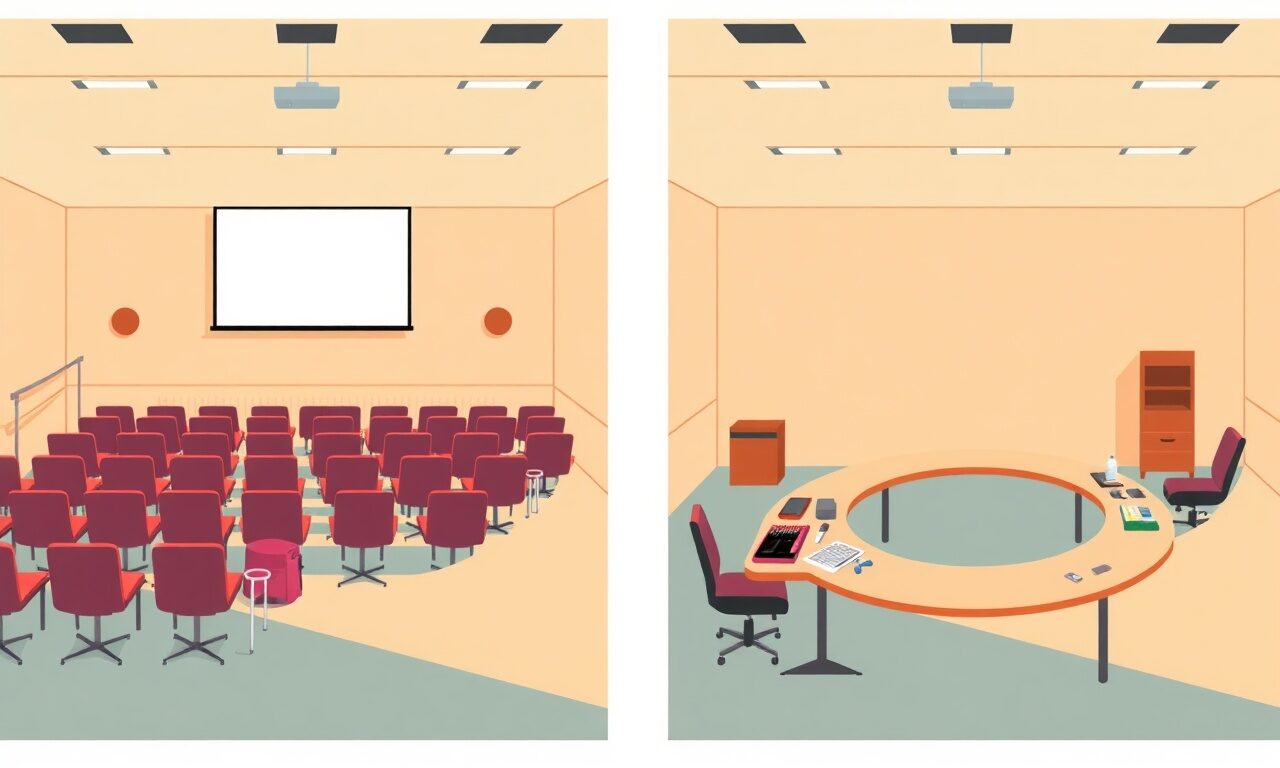
A cohort course lives or dies by the room, not the curriculum. Ten motivated, well-matched people will drag each other forward even with mediocre slides. Twenty mismatched people — half lurking, half in over their heads — will sink a genuinely great syllabus. Most creators try to fix this after the fact, with onboarding calls or welcome surveys that arrive too late to change anything. The better move is to screen before the sale, not after it: turn your buy button into a short application, and let the answers decide who even sees a checkout page.
Why an open buy button undersells a cohort
When anyone with a card can join instantly, a cohort quietly becomes a course with a start date. The scarcity that makes cohorts special — a small group moving through material together, at the same pace, with real peer accountability — gets undercut the moment the room fills with people who wandered in from a random retweet. Buyers can feel this too. A product that lets absolutely anyone in doesn't read as exclusive, no matter what your sales page says about "limited seats." An application step is the one piece of friction that actually proves the claim.
This isn't about gatekeeping for its own sake. It's about matching the promise to the mechanism. If you're marketing a cohort as intimate, peer-driven, and outcome-focused, the intake process should look intimate, peer-driven, and outcome-focused too. A three-question application does more to signal that than any amount of copy about how "this isn't for everyone."
How the mechanism actually works
You don't need a separate application form, a Typeform link, or a Google Sheet that someone has to manually cross-reference against Stripe. store.fan's custom checkout fields sit directly on the product's buy flow: a buyer fills them in as the last step before paying, and the answers land next to the order in your dashboard automatically, tied to that specific sale. That's the whole trick — the questions and the payment happen in the same motion, so there's no second system to maintain and no gap where someone pays and then ghosts the actual application.
The practical version looks like this: someone clicks your cohort's buy button, sees your price, and then sees 2-4 short text fields before the card form. They answer, submit, and pay in one pass. You review the answers afterward and, if anyone's a clear mismatch, refund and message them directly — most creators find they only need to do this for a small fraction of buyers once the questions are doing their job upfront.
What to actually ask
Three fields is the ceiling for most cohorts. Every field past that is a tax on your conversion rate, and the marginal signal you get from a fourth or fifth question rarely justifies the drop-off. Each question should do one job: qualify fit, surface a red flag, or give you something useful for grouping people later.
| Field | What it screens for | Example prompt |
|---|---|---|
| Current stage | Whether they're actually ready for this level of material | In one sentence, where are you right now with [topic]? |
| Specific goal | Vague curiosity vs. a real outcome they're chasing | What do you want to be true by the end of this cohort? |
| Time commitment | Whether they can realistically show up for live sessions | Can you commit to the two weekly live calls (Tues/Thurs, 7pm ET)? |
| Prior attempt | Whether they've tried and stalled — often your best-fit buyer | What have you already tried that didn't fully work? |
Notice none of these ask for a resume or a portfolio. You're not running an admissions committee — you're filtering out the two groups that wreck cohort dynamics: people who are wildly under-prepared for the material, and people who are shopping, not committing. A one-sentence answer to "what's your current stage" tells you more than a full biography would.
Setting the bar without killing your conversion rate
The goal isn't to reject half of everyone who clicks buy — it's to make the people who do buy self-select honestly. In practice, most creators running this well end up refunding somewhere in the 5-15% range: the folks who clearly answer "none of these apply to me" or leave fields blank despite the prompt. That's a healthy number. If you're rejecting closer to a third of applicants, your price or your marketing is attracting the wrong crowd upstream, and no amount of downstream screening fixes that cheaply.
Set expectations on the sales page itself, not just at checkout. A single line — "This cohort includes a short application at checkout; we review every answer before confirming your seat" — does two things at once: it warns buyers the fields aren't decorative, and it reinforces the exclusivity framing before they've even reached the buy button.
Before you open applications
0/6Getting a second use out of every answer
The application shouldn't disappear into a spreadsheet the moment you approve someone. The same three answers that screened them are exactly the raw material for grouping them once the cohort starts. If half your buyers said their goal is "launch my first product" and the other half said "scale past $5k a month," you already know how to split breakout pods on day one without a single extra survey. Pull the answers into your welcome email and reference them directly — "You mentioned you're stuck on pricing, so week 2 is going to matter a lot for you" — and the application stops feeling like a gate and starts feeling like the beginning of a relationship.
An application isn't there to keep people out. It's there to make the people who get in feel like they earned something — and that feeling is most of what makes a cohort worth the price of a course.— store.fan playbooks
Where this fits in a bigger cohort strategy
Applications work best as one layer in a stack, not a standalone gimmick. Pair the checkout application with a capped seat count so scarcity is real, not just implied. Use a discount code for early applicants who get accepted fast, which rewards the buyers who take the process seriously enough to answer quickly and well. And once the cohort is running, keep the same filtering instinct going into your next round — the customer list your storefront builds automatically becomes the shortlist you invite first, before you ever open applications to a cold audience again.
None of this requires new infrastructure. If you haven't yet, create your store and set up the cohort as a normal product — the custom fields, the discount codes, and the order data all live in the same dashboard you're already using to sell everything else. Check a live example store to see how a cover page and product listing can set the exclusivity tone before a buyer ever reaches the application fields.
No — custom checkout fields are built into the buy flow itself, so the questions and the payment happen in a single step and the answers land with the order automatically.
Refund and send a short, direct message explaining why — this should be rare if your questions and sales page framing are doing their job upstream. Most creators keep this under 15% of buyers.
Two to four. Every additional field trades signal for drop-off, and three well-chosen questions almost always beat six generic ones.
It works at any price point — the psychological effect of being asked a real question before you can pay shows up even on a $99 cohort, not just a $2,000 one.
Turn your next cohort's buy button into a real application and start filling the room with people who actually fit.
Start freeThe bigger point is bigger than any one cohort. A storefront that lets you shape who gets in — and follow up with the ones you turn away — is doing more for your brand than a slightly higher conversion rate ever would. If you want more tactics like this one, the blog has a growing set of playbooks for pricing, launches, and community design, and contact support any time you want a second pair of eyes on your application questions before you go live.
Turn your knowledge into income
Launch your Store.Fan in minutes — sell digital products, courses, and calls straight from your bio. Free to start.