Accountability Pods: Breaking Your Cohort Into Small Groups That Actually Finish
The secret to high completion rates isn't a bigger cohort — it's smaller circles inside it.
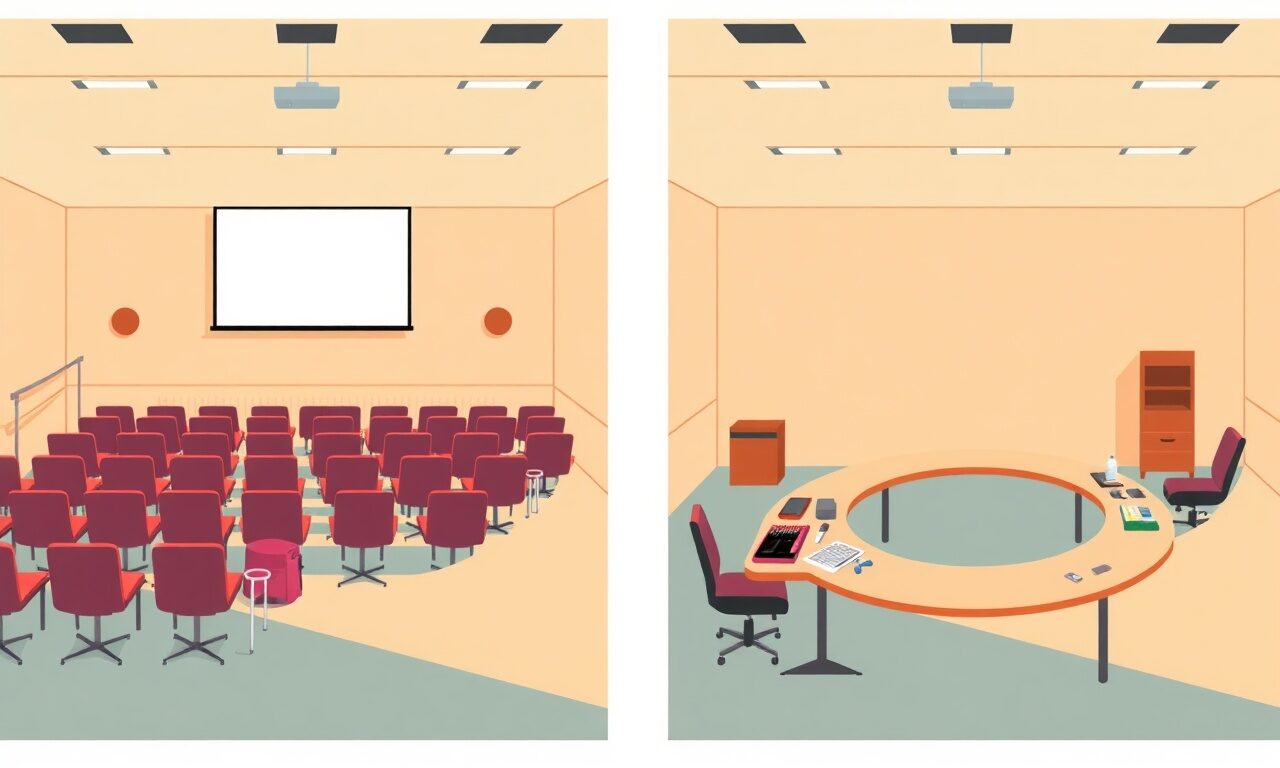
Run a cohort course for long enough and you'll notice the same graph every time: a packed live session in week one, a thinner room by week three, and a final call where four people show up out of the forty who paid. The instinct is to blame the content, or the platform, or the price. It's rarely any of those — it's group size. A live session with forty people is a broadcast, not a relationship. Nobody feels seen, nobody feels missed if they skip, and skipping once makes skipping twice a lot easier. The fix that actually moves completion numbers isn't a better slide deck or a livelier host. It's splitting that cohort of forty into eight pods of five, each with its own tiny check-in ritual, so missing a week means disappointing four specific people instead of going unnoticed in a crowd.
Why live sessions alone can't fix completion
Live sessions are great at delivering information and terrible at creating obligation. Watching a webinar is passive — you can half-listen, mute yourself, or skip it entirely with zero social cost, because the host has no idea whether you were there, and neither does anyone else on the call. That's the structural problem cohort creators run into: they keep adding more content, more office hours, more bonus modules, assuming the issue is depth, when nobody in the room is actually expecting anything from the student. A pod flips that. When four other people are waiting on your update in a shared thread, disappearing has a cost a livestream never had — the same mechanism behind gym buddies and writing groups, just rarely built into how creators structure a cohort.
How to size and assign pods
Three to five members is the sweet spot. Below three, one no-show collapses the whole group's momentum for the week. Above five, someone inevitably goes quiet and hides in the crowd — the exact problem you built pods to solve. Assignment matters more than most creators assume; dropping people into pods alphabetically or by signup order is the fastest way to end up with a pod spread across three timezones who never sync a check-in. Instead, assign by the variables that actually predict whether five strangers keep talking to each other for six weeks.
| Variable | Why it matters | How to collect it |
|---|---|---|
| Goal inside the course | Portfolio-builders and career-changers need different encouragement | Custom checkout field asking their #1 goal |
| Timezone / availability | Pods that can't sync a weekly call go quiet fast | Signup question, grouped into 2-3 broad bands |
| Pace preference | 'Finish day one' and 'one module a week' students frustrate each other | Fast/steady/flexible checkbox at signup |
| Experience level | Beginners paired with a repeat student create natural mentorship | Mix one experienced student per pod |
That goal and pace data doesn't have to come from a separate form — store.fan lets you add custom checkout fields to the product itself, so the two questions that matter most for pod-matching are answered the moment someone buys, before you've done any extra work chasing it down.
The check-in ritual: keep it to three questions
Pods die from complexity, not from lack of interest. A ritual that asks for a 500-word reflection and a peer review every week gets done twice, then abandoned by everyone at once — it's genuinely more effort than most students budgeted for. The rituals that survive a full cohort are almost insultingly simple: three questions, answered in a sentence or two, on the same day every week, in the same thread.
- 1What did you actually get done this week? (one sentence, no judgment)
- 2What's blocking you, if anything?
- 3What are you committing to before the next check-in?
That third question is the one doing the real work — it's a public commitment to four other people who will notice next week whether it happened. Pin the ritual, pick one weekday for it (Sunday night and Wednesday morning both perform well, since they bracket the week without feeling like a Monday chore), and resist the urge to add a fourth question no matter how useful it seems in the moment.
A big cohort makes people feel like a number. A pod makes them feel like they'd be letting someone down.— store.fan cohort playbook
Using store.fan's inbox and email tools to run pods without a separate app
You don't need a private community platform to run this. Most creators over-engineer the pod layer before testing whether their audience even wants it, then abandon the idea when the extra tool becomes one more thing to maintain. Start with what's already connected to your storefront: your customer list from store.fan is the source of truth for who's actually enrolled, which makes it the natural place to build pod rosters. Export it, sort by the goal and pace fields from checkout, and hand-assign the first cohort's pods manually. It takes twenty minutes and beats any algorithm for a group under fifty people.
Once pods exist, the built-in inbox becomes your listening post. Ask pod leads (rotate that role weekly, don't crown one person permanently) to reply with a one-line pod summary. When a reply flags that a pod's gone quiet, that's your cue to send a personal nudge — not a mass announcement, a note to specific people. Broadcast emails still matter, but for a different job: cohort-wide reminders ("check-ins due tonight"), while the inbox handles the individual, this-pod-is-struggling conversations that actually save a student from dropping out.
Setting up your first pod cohort
0/6What to measure instead of just enrollment
Enrollment numbers feel good on launch day and tell you nothing about whether the course works. The number worth tracking is completion rate by pod, not by cohort — it isolates exactly which small groups clicked and which didn't, in a way a cohort-wide average never can. If three pods finish strong and two go silent by week two, you're looking at specific mismatches in timezone, pace, or a pod that never had a lead step up — fix the assignment logic next time rather than rewriting curriculum that already works for the pods that stuck. It's also the single best social proof for your next launch: "87% of pods finished the program" is a far more credible claim than "40 students enrolled," and belongs in your sales copy and renewal emails alike.
Add custom fields to your course checkout and start building pods from day one — it takes minutes to set up on a plan built for creators who sell courses, not just downloads.
Start freeFAQ: running accountability pods
Even a cohort of 12-15 benefits from splitting into two or three pods — the mechanism is about group size, not total headcount. Eight students is arguably two pods of four, not one big group chat.
No. Most creators start pods successfully using a shared email thread or group chat, with your store.fan customer list as the roster. Add a dedicated community tool later only if the manual version is genuinely outgrowing you.
It happens, usually from a timezone mismatch or one member checking out entirely. Reshuffle once, around week two, rather than letting a dead pod run the full length of the cohort — a stalled pod pulls down everyone in it, not just the quiet member.
Mandatory, framed as part of the program rather than an extra. Opt-in accountability structures get chosen by the students who least need them and skipped by the ones who'd benefit most.
Check pricing to compare which plan includes custom checkout fields and the inbox tools this playbook relies on, and browse common questions or contact support if you get stuck wiring it up for your first cohort.
None of this requires a bigger course or a fancier live-session setup. It requires you to stop treating your cohort as one crowd and start treating it as several small, visible circles who'd feel bad letting each other down. Pair that structure with a storefront that delivers access, collects the right signup data, and lets you email and message students without cobbling together five tools, and completion stops being the thing that quietly kills your course business. A live example store shows what that setup looks like end to end, and the blog has more playbooks on cohorts that finish, not just cohorts that sell. If you're still selling a course through a checkout link with no list and no custom fields, that's the actual gap — not your content. store.fan is built to close it.
Turn your knowledge into income
Launch your Store.Fan in minutes — sell digital products, courses, and calls straight from your bio. Free to start.