
🎙️ Creative practice · Guide
Record A Clean Podcast
One microphone, a soft room and a routine you can repeat weekly
RecordACleanPodcast
Your name
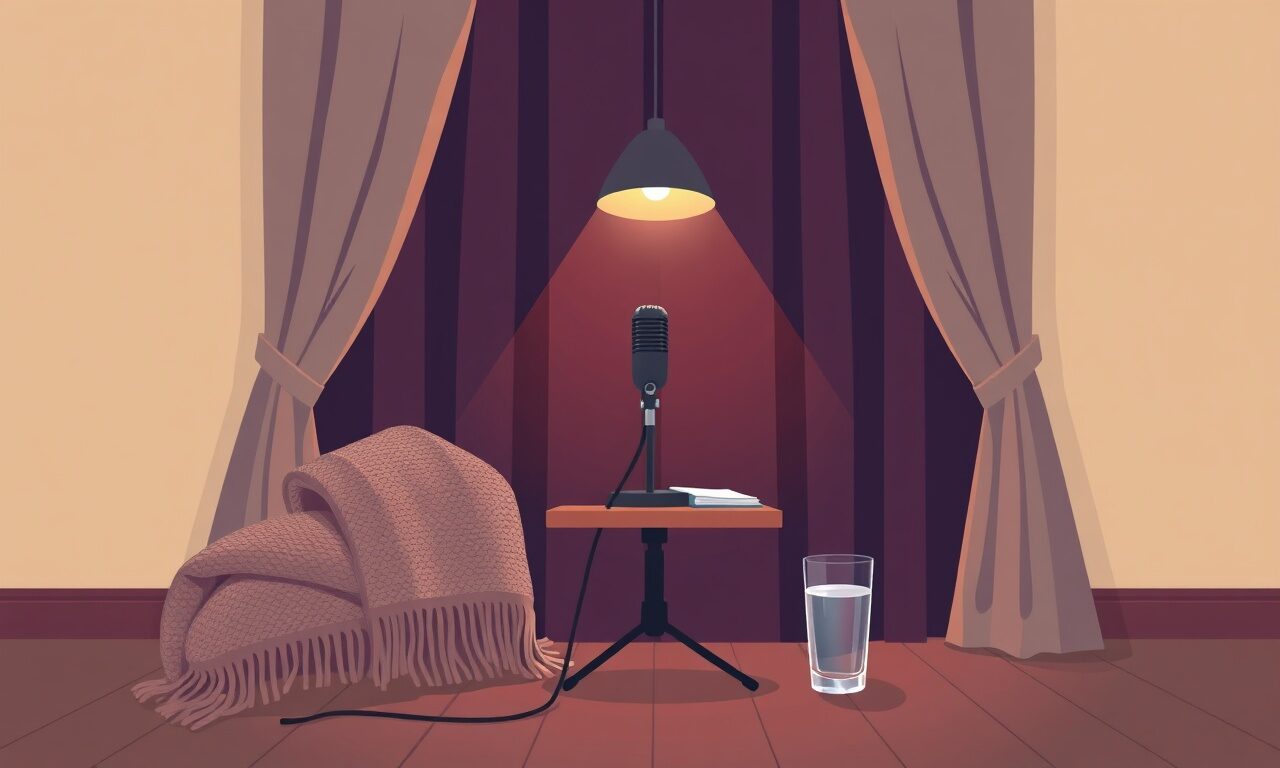
A4 · this is a layout preview in the “Playbill” design. When you generate, the studio writes every chapter in full, paints the cover and chapter art, and composes a downloadable A4 PDF with your name, bio and store link on it.
Listeners forgive an ordinary microphone and abandon a bad room. Echo, hiss and a voice that swings from loud to inaudible will lose people faster than any weakness in the content. This guide fixes the recording conditions first, then builds a routine that produces a usable file every week without drama.
What's inside
- 1The room does more than the microphoneYou test the space you are in by clapping and listening, then soften it with the furnishings you already own. After this chapter you know which room in your home to record in and what to put in it.
- 2One microphone, positioned properlyYou choose between a dynamic and a condenser microphone for your room, then set the distance and angle that flatter a speaking voice. The chapter covers pop filters, stands and why your desk is passing noise into the recording.
- 3Levels and monitoringYou set input gain so peaks sit well below the ceiling, wear headphones so you hear problems as they happen, and record a thirty-second test before every session. By the end you can tell from the meter alone whether a take is usable.
- 4Remote guests, recorded locallyYou capture each side of a conversation on its own machine so a poor connection does not end up in the finished file, and set the guest up in under five minutes. The chapter includes the message to send guests the day before.
- 5Talking when nobody is in the roomYou learn practical ways to keep energy and pace when speaking alone, including standing up, using notes rather than a script, and leaving clean pauses where an edit will go. After this chapter solo episodes stop sounding read out.
- 6The tidy-up editYou remove mistakes and long silences, apply gentle noise reduction and compression, and set the episode to a sensible loudness so it matches other podcasts. By the end you have a short processing chain you can apply every week.
- 7A weekly recording routineYou turn the whole thing into a checklist covering setup, test, record, back up and export, so nothing is forgotten on a rushed evening. The chapter ends with the file naming and storage pattern that keeps a series findable.
A sample from chapter one
A soft room beats an expensive microphone
Stand in the middle of the room you plan to record in and clap once. If the sound rings on for a moment after your hands stop, the microphone will record that ring under everything you say, and no software will take it out cleanly. Hard floors, bare walls and a large empty space are the usual causes, and none of them are fixed by buying better equipment.
The remedy is soft, uneven surfaces close to where you sit. Curtains drawn across a window, a rug on the floor, a full bookshelf behind you, a duvet on a stand just out of shot. Clap again and listen for the ring to shorten. Small rooms with furniture in them usually sound better than large tidy ones, which is why so many podcasts are recorded in cupboards.
- Clap-test each room before choosing one, and record where the ring dies fastest.
- Speak about a hand's width from a dynamic microphone, slightly off to one side to reduce plosives.
- Set gain so normal speech peaks around minus twelve decibels, leaving room for a laugh or a raised voice.
- Wear closed-back headphones while recording, because most problems are audible long before they are visible.
Key takeaways
- Room treatment costs almost nothing and improves a recording more than an equipment upgrade would.
- Record each side of a remote conversation locally, so the finished file does not carry the connection quality.
- A short pre-recording test, done every single time, prevents the discovery of a dead microphone after an hour of talking.
The studio writes every chapter from this outline, paints the art and hands you a PDF you can sell the same afternoon.
Start free