
📱 Creative practice · Guide
Better Photos On Your Phone
Light, framing and a five-slider edit for the work you sell
BetterPhotosOnYourPhone
Your name
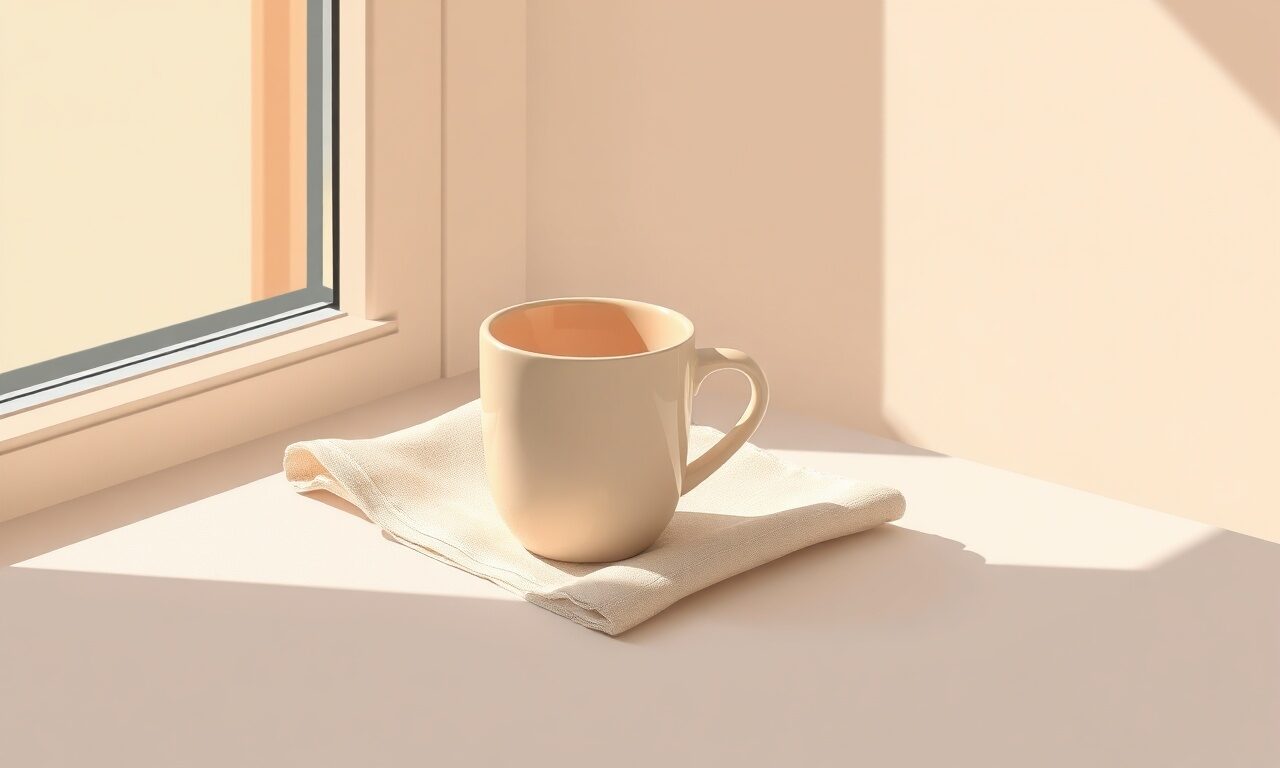
A4 · this is a layout preview in the “Playbill” design. When you generate, the studio writes every chapter in full, paints the cover and chapter art, and composes a downloadable A4 PDF with your name, bio and store link on it.
A modern phone camera is capable of far better photographs than most of us get out of it. The gap is almost never the lens. It is where you stand, what time you shoot and how much of the frame you let the subject have, and all three are free to fix.
What's inside
- 1Find the light before you find the subjectYou learn to read a room for soft directional light and to pick the window and hour that flatter your work. After this chapter you know the two spots in your home worth photographing in.
- 2Free upgrades: steadiness, cleanliness, distanceYou clean the lens, brace the phone properly, and stop standing too close, which together fix a surprising share of disappointing photos. The chapter also explains when to use the main lens rather than the wide one.
- 3Framing: decide what to leave outYou practise choosing the edges of the picture first, removing clutter and cropping in camera rather than afterwards. By the end you can set up a clean frame in three moves.
- 4Take control of focus and exposureYou lock focus and set exposure by hand instead of letting the phone guess, which matters most on pale and dark subjects. The chapter covers when to shoot in a raw format and when it is not worth the file size.
- 5Photographing products on a kitchen tableYou build a repeatable table setup from a window, a white board for bounce and a plain surface, then shoot a small object from four angles. After this chapter you have a lighting arrangement you can rebuild in five minutes.
- 6Editing: five sliders, in orderYou edit with exposure, white balance, shadows, contrast and a small crop, always in that order, and stop before the photo starts to look processed. The chapter shows how to save the settings as a preset for a consistent set.
- 7A twenty-minute shoot you can repeatYou turn everything into a short routine that produces a listing photo, a detail shot, a scale shot and a lifestyle frame in one sitting. By the end you have a shot list you can print and reuse for every new product.
A sample from chapter one
Light first, subject second
When a photograph disappoints, the instinct is to blame the camera. Nine times in ten the problem is the light. An overhead bulb at nine in the evening will make good ceramics look grey and good fabric look flat, and no amount of editing will put back the softness that was never there. The camera only records what the light does to the object.
So work the other way round. Find the light first, then bring the subject to it. In most homes that means a window with no direct sun on it, at some point in the middle of the day, with a pale wall or a sheet of white card opposite to bounce a little back into the shadows. That arrangement costs nothing and it is what most product photography quietly is.
- Shoot beside a window with indirect light rather than in direct sun, which turns highlights white and shadows black.
- Stand a sheet of white card opposite the window to lift the shadow side without adding another light.
- Wipe the lens with a soft cloth before every session; a smudge shows as haze around bright areas.
- Step back and use the main lens rather than the ultra-wide, which stretches edges and thins the subject.
Key takeaways
- Choosing where and when to shoot changes a photograph more than any setting inside the camera app.
- Soft directional light with a bounce card opposite is the setup behind most photographs you admire.
- Editing should correct a good photograph rather than rescue a badly lit one.
The studio writes every chapter from this outline, paints the art and hands you a PDF you can sell the same afternoon.
Start free