
🫖 Health & wellness · Guide
Looking After Them
Conversations, paperwork and practical help, taken one at a time
Looking After Them
Conversations, paperwork and practical help, taken one at a time
Your name
A4 · this is a layout preview in the “Clipboard” design. When you generate, the studio writes every chapter in full, paints the cover and chapter art, and composes a downloadable A4 PDF with your name, bio and store link on it.
Caring for a parent rarely starts with a decision. It starts with a fall, a missed appointment or a phone call from a neighbour, and by the time you notice you are already doing it. This guide breaks the first year into separate jobs, each of which can be done in an afternoon, so that the whole thing stops feeling like one impossible task. It describes the system in England and Wales.
What's inside
- 1The first conversationYou raise the subject in a way that does not sound like the start of a plan to move them out of their home, and listen more than you propose. After this chapter you have a first question to ask and a clear idea of what not to lead with.
- 2What has actually changedYou spend a week writing down what you observe rather than relying on impressions, covering meals, medicines, washing, post, sleep and mood. After this chapter you have notes specific enough to be useful to a GP or a social worker.
- 3The home: small changes that keep them in itYou go through the house looking for the handful of hazards that cause most falls, and make the cheap changes first. This chapter covers grab rails, lighting, rugs, stairs and the equipment an occupational therapist can assess for.
- 4Paperwork while it is still straightforwardYou sort lasting power of attorney, a will, and a written record of accounts, pensions and insurers while your parent can make those decisions themselves. After this chapter you know the two types of power of attorney, and when to involve a solicitor.
- 5Assessments, care and what it costsYou request a needs assessment from the local council and a carer's assessment for yourself, and learn how the means test works. The chapter explains the difference between the care that is arranged and the care that is paid for, and where to get free advice.
- 6Sharing it with brothers and sistersYou divide the work in a way that survives distance, resentment and the fact that one of you will always be doing more. After this chapter you have a written split of responsibilities and a regular update that stops the same argument recurring.
- 7Looking after yourself as wellYou plan for the fact that this may go on for years, including respite, your own health appointments and what to do about work. The chapter ends with the practical support carers can ask for and often do not.
A sample from chapter one
Start with a question, not a plan
The first conversation goes badly when it arrives as a proposal. If you open with a suggestion about moving, or carers, or giving up the car, your parent hears the end of their independence being negotiated by someone else. Open instead with a question about what they find difficult now, and then be quiet long enough for them to answer it properly, which may take longer than feels comfortable.
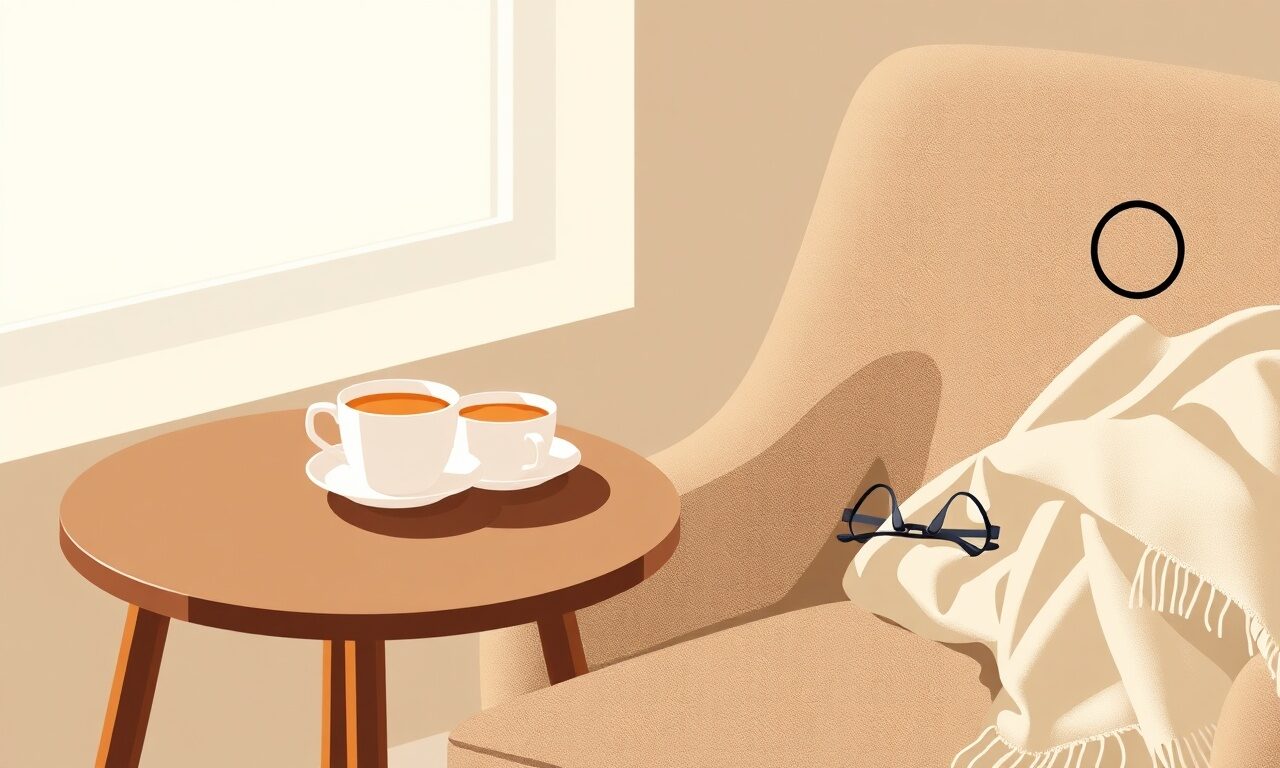
Pick your moment: not straight after a fall, not in front of the whole family at Christmas, and not on the phone. A weekday afternoon with the two of you and a pot of tea is worth waiting for. If it goes nowhere, that is a normal first attempt. Leave it a fortnight and try again from a different angle rather than pressing the same one harder.
- Ask what they find hardest at the moment, and let the silence run before you fill it.
- Avoid raising it immediately after a fall or an illness, when everyone is frightened.
- Talk about keeping their independence, since that is usually the thing they are defending.
- Agree one small change at the end, rather than a whole plan.
Key takeaways
- A question invites a conversation, while a proposal invites a defence.
- Most of these conversations need to happen several times, so a slow first attempt is not a failure.
- Agreeing one small change makes the next conversation much easier to start.
The studio writes every chapter from this outline, paints the art and hands you a PDF you can sell the same afternoon.
Start free