
🦵 Health & wellness · E-book
Train Without Getting Hurt
Load, warning signs and the unglamorous habits that keep you in training
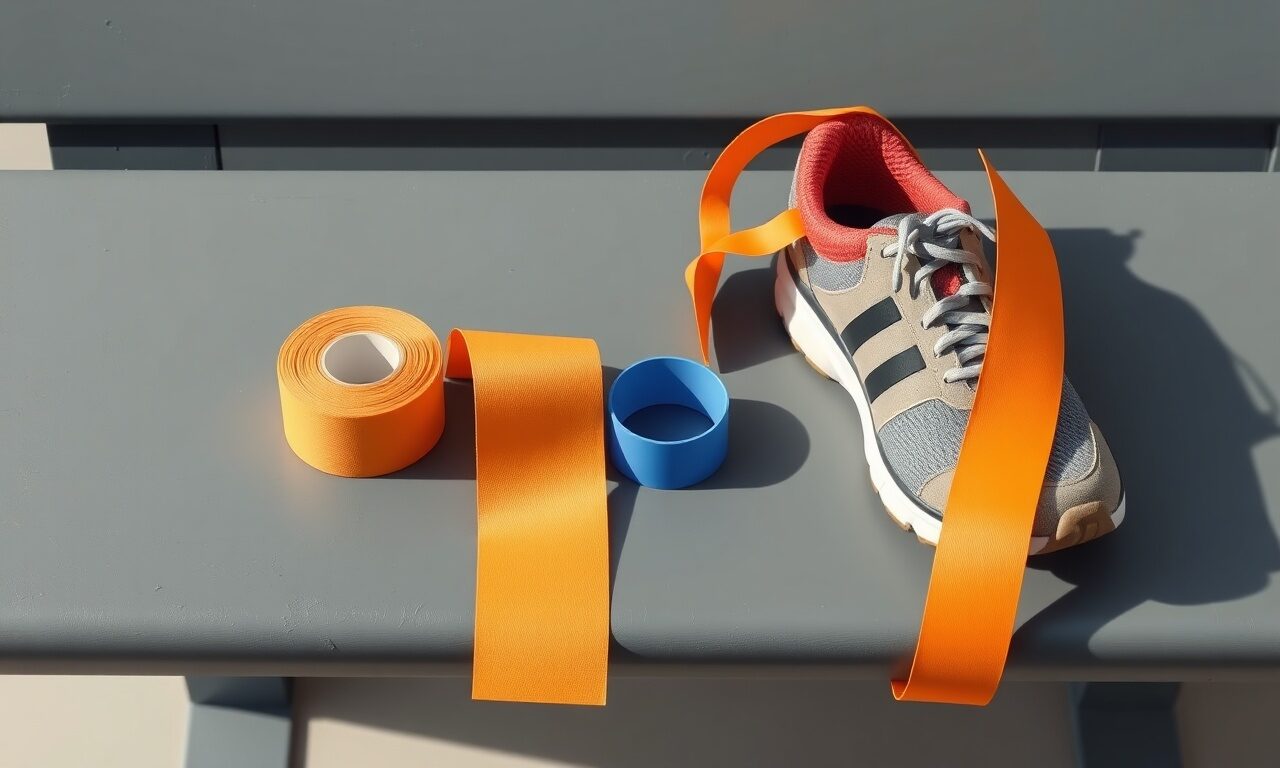
Train Without Getting Hurt
Load, warning signs and the unglamorous habits that keep you in training
Your name
A4 · this is a layout preview in the “Noir” design. When you generate, the studio writes every chapter in full, paints the cover and chapter art, and composes a downloadable A4 PDF with your name, bio and store link on it.
Very few training injuries arrive without notice. They are usually the end of a conversation that started weeks earlier with a niggle you decided not to hear. This book is about that conversation: how load accumulates, what the early signals look like, and what to change while changing anything is still cheap.
What's inside
- 1Injuries Are a Load ProblemFrames almost every training injury as a mismatch between what a tissue can currently tolerate and what you asked of it. After it you will be able to describe your own history in terms of load rather than bad luck.
- 2Reading a NiggleGives a simple traffic light system for aches: what you can train through, what you modify, and what stops the session. After it you will have a rule you can apply mid workout instead of arguing with yourself.
- 3Warming Up for What Is ComingReplaces the generic five minute cycle with a warm up built from the session you are about to do. After it you will have a three part warm up template that takes eight minutes.
- 4How Fast to Add WorkExplains why sudden jumps in volume, intensity or surface cause trouble, and how to plan a build that your tissues can follow. After it you will have a written progression for the next eight weeks.
- 5Knees, Achilles and the Runner's WeekLooks at the injuries that come from repetitive impact, the strength work that reduces them, and what a sensible running week contains. After it you will have two strength sessions that support your running rather than compete with it.
- 6Shoulders, Backs and the Lifter's WeekCovers overhead pressing, heavy hinging and the technique faults that quietly accumulate under fatigue. After it you will know which of your lifts needs a cap on how heavy it goes on a tired day.
- 7Sleep, Stress and Tissue ToleranceShows how a bad month outside training lowers what you can absorb inside it, and how to adjust rather than push. After it you will have a rule for cutting sessions back in a heavy week at work.
- 8Coming Back After Time OffSets out a graded return after a layoff or an injury, and describes the signs that mean a physiotherapist or GP should look at it. After it you will have a four week return plan and a clear line for asking for help.
A sample from chapter one
Tissue tolerance against tissue load
Every tendon, bone and muscle has a current tolerance: the amount of work it can absorb this week without complaint. That tolerance is not fixed. It rises slowly when you train consistently and drops quietly during holidays, illness, bad sleep and stressful months. Injuries happen when the load you apply crosses that line, which is why the same session can be harmless in March and troublesome in November.
This is a more useful model than blaming your knees or your posture. It gives you two levers rather than none. You can lower load, by cutting volume, changing surface or dropping intensity for a fortnight. Or you can raise tolerance, by building slowly, sleeping properly and adding strength work for the tissue in question. Most people only ever try the first, and only after something hurts.
- Record weekly volume for your main activity so a jump is visible before it is felt.
- Change one variable at a time: distance, pace, load or surface, never two together.
- After a week off, return at roughly the volume you left at, not the one you were building towards.
- Give any new ache a name, a date and a score out of ten in your training log.
Key takeaways
- Injuries are usually a mismatch between load and current tolerance rather than a flaw in your body.
- Tolerance falls during stressful and poorly slept weeks even when your training does not change.
- The cheapest moment to act on a niggle is the first week you notice it.
The studio writes every chapter from this outline, paints the art and hands you a PDF you can sell the same afternoon.
Start free