
✒️ Creative practice · E-book
Writing on Ordinary Days
Finishing a book in the hours you actually have
WritingonOrdinaryDays
Your name
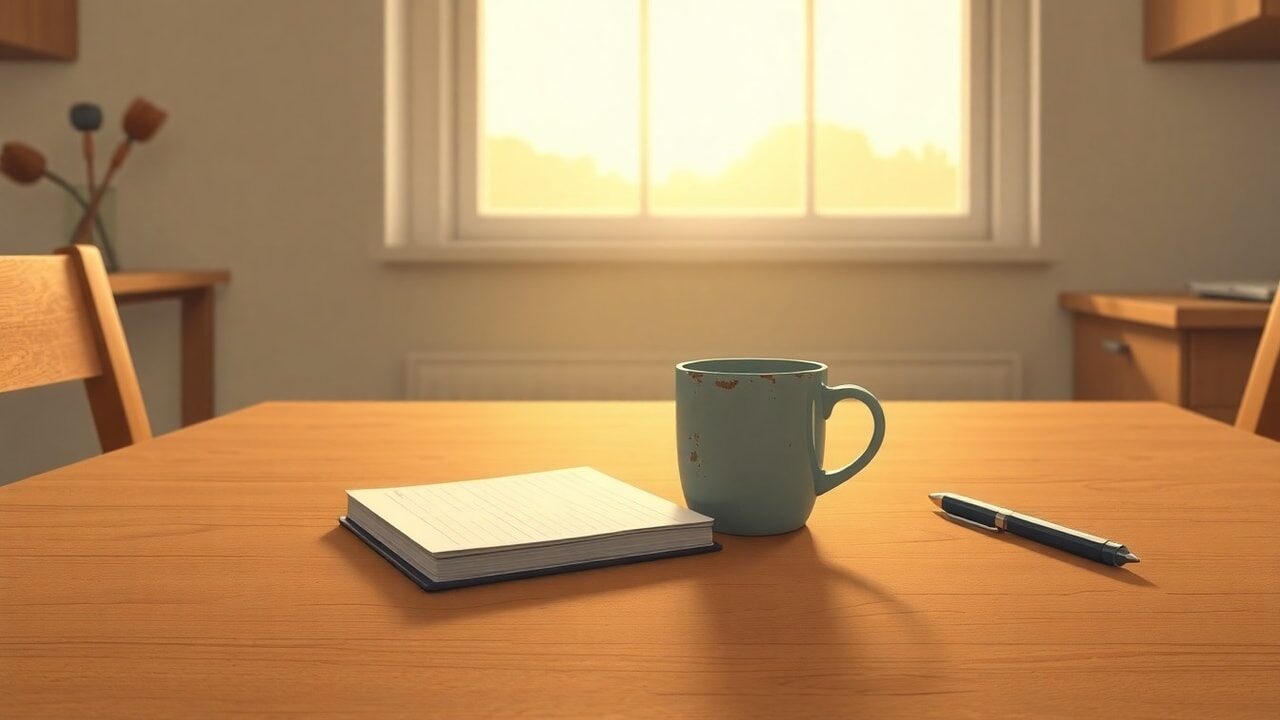
A4 · this is a layout preview in the “Stacked” design. When you generate, the studio writes every chapter in full, paints the cover and chapter art, and composes a downloadable A4 PDF with your name, bio and store link on it.
Most books are not written on retreats or sabbaticals. They are written in the hour before work, on a table that has to be cleared again for breakfast. This book takes that hour seriously and shows what can be built from it across a year.
What's inside
- 1The Hour You Actually HaveFinds the real, repeatable hour in your week rather than the imaginary one, and builds a session ritual around it. You will finish with a written schedule you have already tested for seven days.
- 2Starting in the MiddleRemoves the blank page by beginning scenes late and chapters mid-action, with a method for leaving deliberate loose ends. You will be able to open a session without deciding anything first.
- 3Sentences That Carry Their WeightWorks line by line on rhythm, concrete nouns and the verbs that do the actual lifting. You will be able to diagnose a flat paragraph and repair it in three passes.
- 4Revision in Three PassesSeparates structure, scene and sentence into three distinct read-throughs so you never fix a comma in a chapter you are about to cut. You will leave with a revision plan sized to your available hours.
- 5Readers, Feedback and Damage ControlCovers choosing early readers, asking questions that get useful answers, and deciding which notes to act on. You will have a short brief you can send with any draft.
- 6Finishing, and Sending It OutHandles the last pass, formatting, submission letters and the long wait afterwards. You will finish with a completed manuscript checklist and a list of five places to send it.
A sample from chapter one
The Hour You Actually Have
Look at last week rather than an ideal week. There is probably an hour in it, at an awkward time, and it is the same hour on most days. That hour is the book. Writing at other times is welcome but not planned for, because a plan that depends on a free Saturday collapses the first time the Saturday goes.
Protect the hour with something dull: the same chair, the same drink, the document already open from yesterday. Ritual gets mocked, but it is only a way of removing choices at a time of day when you have few left. Leave a sentence unfinished when you stop. Starting tomorrow is then a matter of finishing it rather than facing a blank page.
- Write down the hour you actually used this week, not the one you meant to use.
- Keep the draft in one file so opening it is a single click.
- Stop mid-sentence, and note the next beat in square brackets.
- Count sessions rather than words, because a session logged is a session that happened.
Key takeaways
- A modest hour repeated most days will finish a book that ambitious weekends will not.
- Ritual is useful because it removes decisions at the time of day when your attention is lowest.
- Ending mid-sentence makes the next session start itself.
The studio writes every chapter from this outline, paints the art and hands you a PDF you can sell the same afternoon.
Start free