
🎬 Creative practice · E-book
Making Your First Short
An idea, twelve pages and three days of shooting
Making Your First Short
Your name
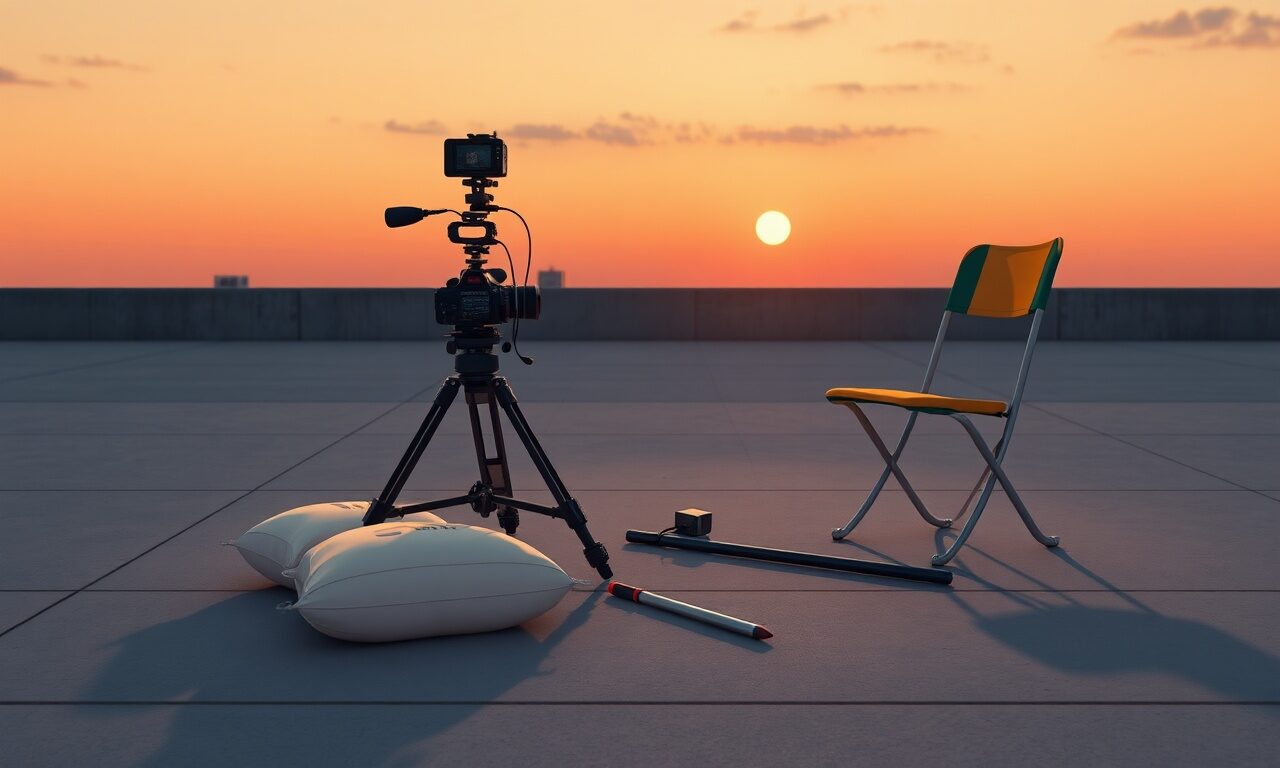
A4 · this is a layout preview in the “Split” design. When you generate, the studio writes every chapter in full, paints the cover and chapter art, and composes a downloadable A4 PDF with your name, bio and store link on it.
A short film is not a feature in miniature. It is a single situation, filmed well, with enough craft that an audience forgets they are watching a first attempt. This book plans one you can afford, shoot across three days and actually finish.
What's inside
- 1An Idea That Fits Your MeansStarts from the locations, people and objects you already have free access to, then finds the story inside them. You will finish with a one-paragraph premise that is fully within reach.
- 2Twelve Pages That Shoot WellCovers screenplay format, scene economy and writing action that a small crew can actually stage. You will have a twelve-page draft with every scene tied to a location you can get.
- 3The Breakdown and the ScheduleTurns the script into lists of props, cast, locations and shooting days grouped by location rather than story order. You will produce a three-day schedule with contingency built in.
- 4Casting and RehearsalDeals with finding actors, running a useful audition and rehearsing enough without flattening performance. You will run a rehearsal that changes the script for the better.
- 5Locations, Permission and NoiseCovers recces, written permission, power, neighbours and the noise that ruins a day's audio. You will complete a recce checklist for every location before you commit to it.
- 6Shooting for the EditPlans coverage so scenes cut together, including the shots beginners forget until the edit. You will build a shot list per scene that guarantees a workable assembly.
- 7Sound on the DayTreats production sound as the thing that most often sinks a first short, with microphone placement and room tone routines. You will leave each location with clean dialogue and thirty seconds of atmosphere.
- 8Assembly to Locked CutMoves from first assembly through rough cut to lock, with rules about when to show it to anyone. You will cut your film down by a third and find it improves.
- 9Finishing, Festivals and AfterwardsCovers grade, sound mix, deliverables, subtitles and building a realistic submission list. You will finish with a delivery checklist and a plan for the next film.
A sample from chapter one
An Idea That Fits Your Means
Write for what you can get. Two people, one room, one problem is not a compromise; it is the shape most good shorts already have. Before the script, list what you have free access to: a flat, a car, a workshop, a friend who acts. Those assets are the story's setting, and building from them removes half the production problems in advance.
Then cut the ambition once more. Night exteriors, crowds, children, animals and driving scenes each cost a day you do not have. A short that runs nine minutes and is entirely under control will play at festivals; a twenty-minute one that ran out of money in week two will not.
- List every location you can use for free before writing a word of script.
- Keep the cast to three speaking parts on a first film.
- Avoid night exteriors, moving vehicles and anything that needs a permit.
- Aim for twelve script pages, which is roughly three days of shooting.
Key takeaways
- Writing from the resources you already have removes most production problems before they start.
- A short that is finished and controlled beats an ambitious one that stalls halfway.
- Every extra location, cast member or night scene costs you a shooting day.
The studio writes every chapter from this outline, paints the art and hands you a PDF you can sell the same afternoon.
Start free