
📷 Creative practice · E-book
Learning to See Light
A working method for photographers who want better pictures, not better gear
Learning to See Light
A working method for photographers who want better pictures, not better gear
Your name
A4 · this is a layout preview in the “Noir” design. When you generate, the studio writes every chapter in full, paints the cover and chapter art, and composes a downloadable A4 PDF with your name, bio and store link on it.
Most photographs fail before the shutter, in the half second when we accept a scene as it is instead of asking what the light is doing. This book is about that half second. It moves slowly through the small decisions that separate a picture you took from a picture you made.
What's inside
- 1What the Light Is DoingReads any scene through three properties: direction, hardness and colour, with short exercises for naming them at speed. After this chapter you can walk into a room and describe its light before you lift the camera.
- 2The Frame Is a DecisionTreats composition as subtraction, working from edges and visual weight rather than grids and rules. You will finish able to explain why each frame ends exactly where it does.
- 3Exposure as IntentCovers metering, highlight protection and the deliberate choice to render a scene darker or brighter than the meter suggests. You will stop treating exposure as a correctness test and start using it to set mood.
- 4Working a SubjectFollows one still life and one street corner through twenty frames each, showing how a picture improves by staying put. You will learn to keep shooting past the first acceptable frame.
- 5Colour and Its AbsenceLooks at colour relationships, white balance as a creative choice, and the point at which a scene wants black and white. You will be able to decide before shooting which of the two the picture is.
- 6Editing Without OvercookingA repeatable raw workflow built on tone first, colour second and a hard limit on local adjustments. You will leave with a preset-free routine that takes about four minutes a frame.
- 7Sequencing a SetShows how twelve pictures become a body of work through pairing, pacing and ruthless removal. You will be able to lay out a set that reads in an order rather than a folder of good singles.
- 8A Practice That Survives the WinterDeals with dry spells, self-imposed constraints and the quiet value of small finished projects. You will finish the book with a personal brief you can begin the same week.
A sample from chapter one
Direction, Hardness, Colour
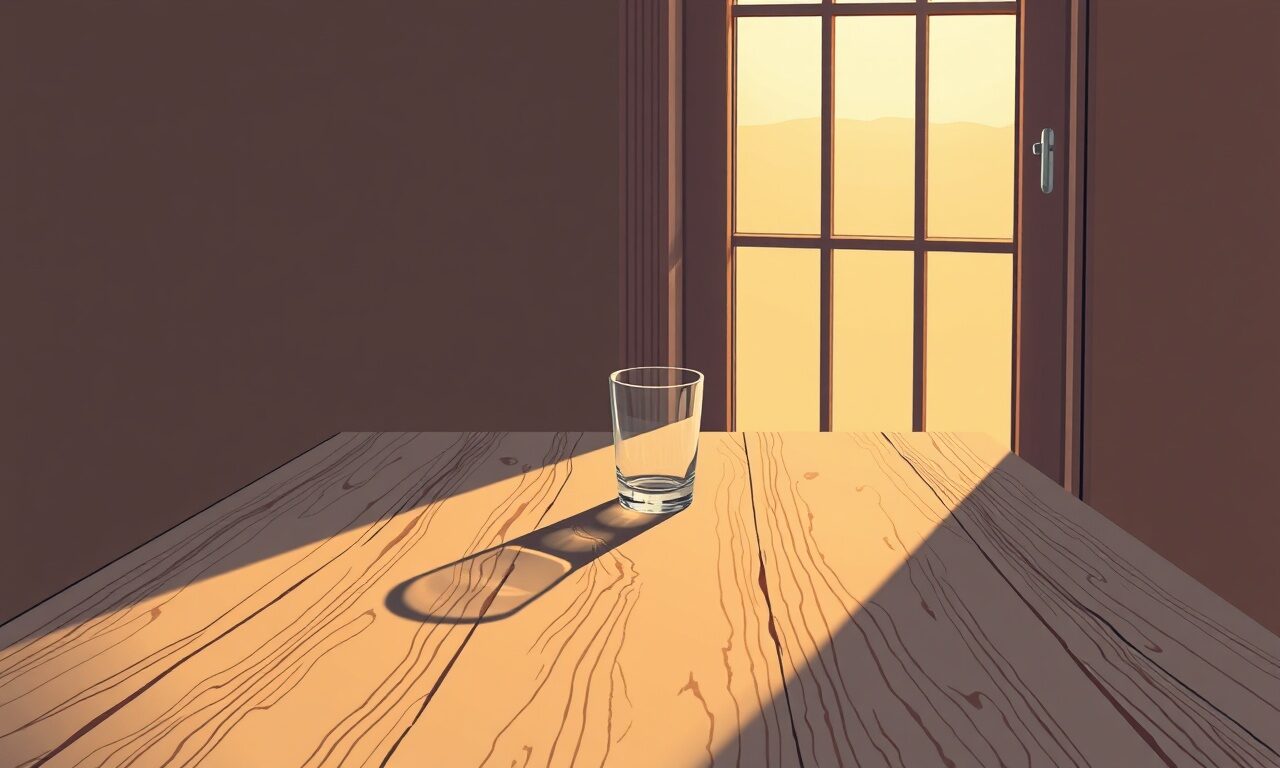
Light has a direction, a hardness and a colour. Those three things account for most of what you notice in a photograph before you notice the subject. If you can name them out loud in any room you walk into, you are already making decisions other people leave to chance. Everything in this chapter is practice at naming them quickly.
Start with direction, because it is the easiest to read. Find the shadow under your own hand and follow it back to its source. Side light rakes across texture and shows every ridge; front light flattens it. Back light separates a subject from its background and turns edges bright. None of these is correct. Each one is a different sentence about the same object.
- Direction: find the shadow under your hand and trace it back to the source.
- Hardness: look at the shadow edge, crisp for a small source, soft for a large one close by.
- Colour: compare a white surface in the light with the same surface in shade.
- Height: note whether the light falls from above eye level, at it, or below it.
Key takeaways
- Light has three readable properties, and naming them takes about five seconds once it becomes habit.
- A large source close to the subject is soft, and the same source moved away becomes hard.
- You can change a photograph more by moving yourself or your subject than by changing any camera setting.
The studio writes every chapter from this outline, paints the art and hands you a PDF you can sell the same afternoon.
Start free