The Webinar Dry Run: A Tech Checklist for a Flawless Live Session
The difference between a smooth webinar and a chat full of 'can you hear me?' is a 20-minute dry run.
Nobody buys anything during the five minutes a room spends typing "we can't hear you" into chat. That's the real cost of skipping a dry run — not embarrassment, lost revenue. A live webinar is the highest-converting format most creators ever run, but it only works if the room can actually see your slides, hear your voice, and click your checkout link the second you show it. None of that is guaranteed by default, and almost none of it can be fixed live without burning the trust you spent 35 minutes building. A 20-minute technical rehearsal the day before turns "probably fine" into "tested and confirmed," and it's the cheapest insurance a live session gets.
Why a dry run is a different step than rehearsing your talk
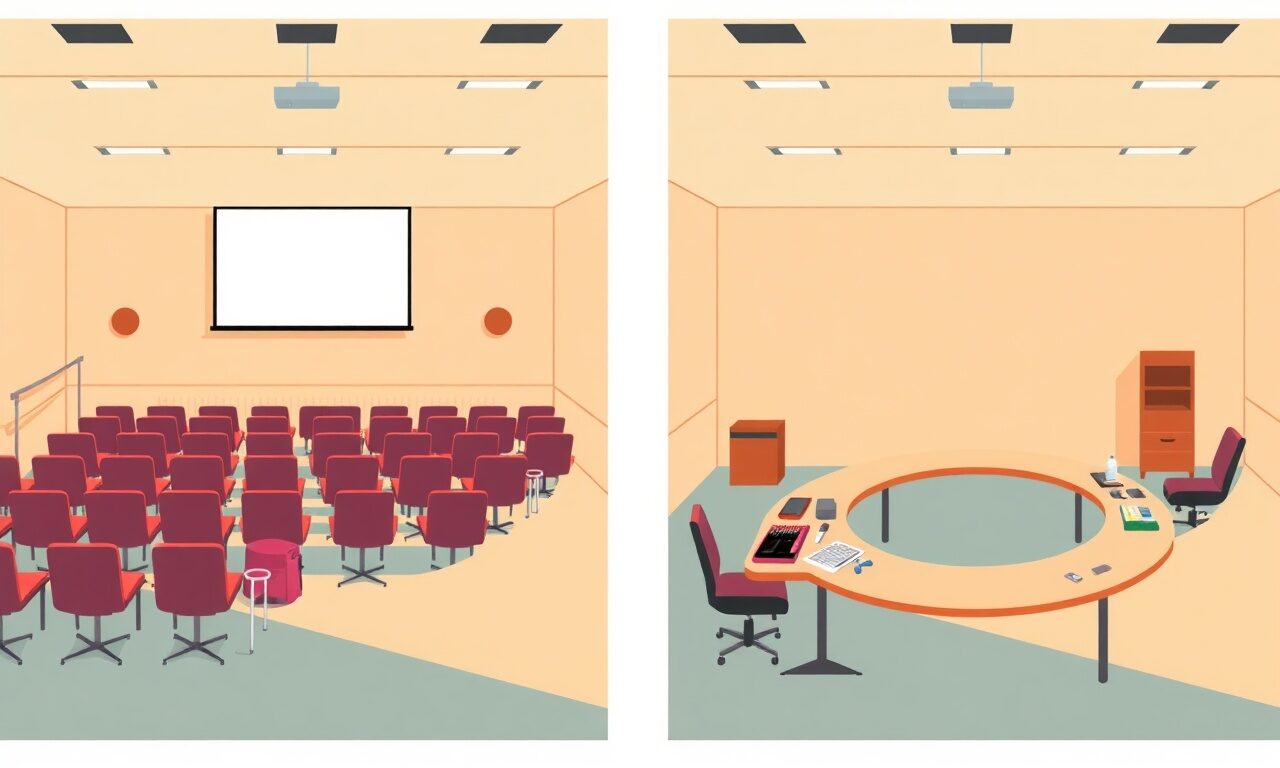
Most creators rehearse their webinar content — the hook, the teaching, the pitch — and assume the tech will sort itself out because it worked last time on a call with a friend. But a live sales session has failure points a casual call doesn't: screen share with audio, a second monitor for notes, a checkout link that needs to actually load, and often more concurrent viewers than any platform you've used before. A dry run isolates the technical pipeline from the content, so on the actual day you're only thinking about the room, not whether your slides are sharing correctly. Treat it like a flight checklist — boring, repetitive, and the entire reason nothing goes wrong.
The audio and video layer: test this first, every time
Audio problems end webinars faster than anything else, because a room that can't hear you leaves within ninety seconds — long before you can fix it live. Video problems are more forgivable; audio problems are fatal. Run your dry run with headphones in, not your laptop speakers, so you catch the echo or hum that your own ears filter out live. Record five minutes of yourself talking normally and play it back on a different device — a phone works fine — because what sounds fine through your monitoring headphones can still be quiet, clipped, or full of fan noise on someone else's speakers.
Audio and video dry-run checklist
0/6The network layer: assume something will hiccup
Home wifi is fine for a normal workday and unreliable for a 60-person live stream, especially if anyone else on your network starts a video call or a large download at the same time. The fix isn't panic, it's redundancy: know your backup connection before you need it. A phone hotspot tested in advance beats discovering mid-session that your phone's signal in that room is one bar. Run a speed test right before you go live, not the night before — network conditions change, and "it was fine yesterday" isn't a plan.
| Layer | What to test | Backup plan |
|---|---|---|
| Internet | Speed test 15 minutes before going live | Phone hotspot, pre-tested and charged |
| Power | Laptop and mic battery levels | Charger plugged in for the full session |
| Device | Primary laptop runs smoothly under load | Secondary device logged into the platform, ready |
| Platform | Screen share, chat, and recording all function | A second host/co-host who can restart the stream |
The two-device rule
Have a second device — a tablet, an old laptop, whatever you own — logged into your streaming platform and ready to go, even if you never touch it. If your primary machine freezes mid-pitch, switching to a warmed-up backup takes 90 seconds instead of the 10 minutes it takes to reboot, reopen everything, and reconnect while a room quietly drains. This single habit has saved more webinars than any other item on this list.
Rehearse the moment that actually makes money
Here's the part most dry runs skip entirely: the actual click. It's not enough to have the checkout link ready on a slide — you need to have clicked it, during the rehearsal, on the device you'll use live, and watched the page load. Test that your product page opens fast, that the price and description are correct, and that a test purchase (or at least the full checkout flow up to payment) works end to end. If you're running the session as a bookable product on store.fan, this is also the moment to confirm delivery is instant — because the entire point of showing the link live is that someone can buy in the ten seconds their attention is highest, not five minutes later after they've closed the tab.
You rehearse the pitch so it sounds confident. You rehearse the click so it actually works.— store.fan team
- Open your product page on the same device and browser you'll use live, not just on your phone the night before
- Confirm the price, title, and description are current — a stale draft link is an easy last-minute mistake
- Walk through checkout as if you were a buyer, including Apple Pay or Google Pay if your audience skews mobile
- If you're using a live-only discount code, test that it actually applies before you read it out loud on stream
- Have the link copied and ready to paste into chat, not something you retype from memory under pressure
Building the checklist into a real habit
A checklist only works if you actually run it every time, which means it needs to live somewhere you'll see it, not in your memory. Keep a standing note — a doc, a sticky note taped to your monitor, whatever sticks — and run through it 20 minutes before every session, no exceptions, even your fiftieth webinar. Experienced hosts skip dry runs more often, not less, because familiarity breeds a false sense of safety; that's usually when a new laptop or a software update quietly breaks something nobody checked.
- 1T-minus 24 hours: confirm platform login, test the checkout link, charge every battery
- 2T-minus 20 minutes: full audio/video test with headphones, backup mic checked, backup device logged in
- 3T-minus 15 minutes: speed test, confirm backup hotspot is ready if needed
- 4T-minus 5 minutes: close unnecessary apps, silence notifications, do a final mic check with a co-host or test account
- 5T-minus 0: go live with confidence that the pipes work, so you can focus entirely on the room
Why the checkout side deserves as much rehearsal as the camera
It's easy to over-invest in webcam lighting and under-invest in the thing that actually converts attention into revenue. A polished stream that ends with a broken or slow checkout page loses sales just as fast as bad audio does — the buyer's intent decays within seconds once friction shows up. That's exactly why the checkout side of your setup deserves its own line item in the dry run, not an afterthought. If you haven't set up your product for instant delivery yet, now's the time: open your store.fan and connect Stripe or add a PayPal email once, and Apple Pay and Google Pay work automatically from there. A live example store shows what a tested, ready checkout page looks like before you go live with your own.
Get your product page tested and ready before your next live session goes out.
Start free20 to 30 minutes is enough for the full checklist — audio, video, network, backup device, and a click-through of the checkout link. Longer than that usually means you're troubleshooting a real problem, which is exactly why you're doing this the day before, not five minutes before going live.
It helps but isn't required. A second person can confirm your audio sounds right from their end and click the checkout link independently, but a phone and a second device can substitute for most of the same checks solo.
This is exactly why the dry run happens the day before, not the day of — it gives you time to troubleshoot or switch to a backup device without pressure. Check common questions or contact support if the issue is on the store.fan side.
Alone or with one trusted person is enough for the tech checklist. Save any full-audience testing for a separate low-stakes session — the dry run is about your pipeline, not your delivery.
No — most tech failures happen precisely because a host assumed "it worked last time" after changing a laptop, an update, or a room. Read more guides on running live sessions, and check pricing once your webinar product is set up so 0% platform fees on paid plans keep more of every sale.
The version you tape to your monitor
Test audio with headphones and a second playback device. Test video framing and lighting as they'll actually be live. Confirm your backup mic, backup device, and backup connection all work before you need them. Click your checkout link yourself, on the device you'll use, and watch it load. Do all of it 20 minutes before every session, not just the first one. A dry run doesn't make your content better — it makes sure the room actually experiences the content you worked hard on, and that the moment you ask them to buy, the page that opens is fast, correct, and ready to take the sale.
Turn your knowledge into income
Launch your Store.Fan in minutes — sell digital products, courses, and calls straight from your bio. Free to start.