How to Run a Product Launch Campaign From Start to Finish
A step-by-step campaign timeline for creators who want a launch day, not a launch fizzle.
Most product launches don't fail because the offer was weak. They fail because the creator built the thing, put it on their store.fan page, dropped one link in their bio caption, and then waited. A launch isn't an event — it's a sequence, and the sequence is what turns a quiet product page into a day where sales actually land. You already have the tool built for this: store.fan's campaign and broadcast email feature sends straight to your customer list, no separate email platform to wire up. What's usually missing isn't the tool. It's the plan for what to send, and when. Here's the full playbook, day by day.
Ten days out: set the mechanics before you write a word of copy
Before any teaser goes out, the product itself needs to be fully ready to sell — not "almost ready." Launch-day chaos is almost always a symptom of prep that got skipped, not a marketing problem.
- Build and publish the product page on your store.fan/username storefront, even if it's unlisted or set to go live later — you want the checkout flow tested before strangers hit it, not during.
- Connect payments if you haven't already: Stripe in one click, or a PayPal email as a fallback. Apple Pay and Google Pay switch on automatically once that's done, and a chunk of mobile buyers will use one of them without thinking twice.
- Upload the actual deliverable — the ebook file, the course modules, the coaching calendar link, the webinar registration — so instant delivery is live and tested, not something you'll "add before launch day."
- Decide on a discount code now if you're using one for launch week, so it's ready to drop into copy instead of becoming a last-minute scramble.
- Check your customer list is current — anyone who bought a previous product or opted into a lead magnet should already be sitting there, ready to receive the campaign.
Day 7-5: the teaser broadcast
The teaser's only job is to make your list curious, not to sell. No price, no product name if you can help it, no link to the page yet. You're planting a question in someone's head that the rest of the sequence will answer.
Keep it short — three or four sentences. Say what problem you've been quietly working on solving, hint at who it's for, and tell them exactly when more details land. "I've spent the last two months building something for anyone who's tried to price their own coaching calls and just guessed. Full details Thursday" does more work than a paragraph explaining the whole curriculum.
The teaser's job isn't to convince anyone. It's to make the launch-day email feel expected instead of random.— store.fan team
This is also the moment to tease it on whatever social channel feeds your store.fan/username link, so the email isn't the only place the curiosity is building. The broadcast and the post should point at the same date.
Launch day: the cart-open broadcast
This is the email that does the heaviest lifting, and it should read like it. Full details, real price, direct link to the product page — no ambiguity about what happens when someone clicks.
- 1Lead with the transformation, not the format. "Stop undercharging for calls you're already great at" beats "New coaching pricing template — 12 pages."
- 2Name exactly what's included — module count, file formats, call length, whatever applies — so there's no guessing between clicking the link and reaching checkout.
- 3State the price once, plainly. Burying it or making someone click through three sentences to find it just adds friction and reads as evasive.
- 4Give one clear reason to buy today rather than bookmark it for later — a launch-week price, a bonus that disappears after 48 hours, or limited coaching slots if that's genuinely true.
- 5End with a single link to your store.fan page. One clear call to action outperforms three competing ones every time.
Send this one at a time of day your audience is actually awake and checking email — for most creator audiences that's late morning in their dominant time zone, not the middle of the night because that's when you finished writing it.
Day 2-3 of launch week: the proof-and-objections email
By now your built-in inbox has almost certainly collected a handful of replies — questions, hesitations, maybe a few "is this for me if I'm just starting out?" messages. This email exists to answer the loudest objection publicly, because for every person who asked, several more had the same question and just didn't send it.
- Pull the single most common question from your inbox replies and answer it in the first two sentences.
- If you have even one early buyer willing to share a quick reaction, quote them directly — a real sentence from a real customer outperforms any adjective you could write about your own product.
- Reinforce what's included one more time for the people who skimmed the first email and never made it to the details.
- Repeat the link. Assume most of this list hasn't clicked yet, not that they already have and are still deciding.
Final day: the last-call email
This one is short on purpose. By the closing day, everyone on your list has already seen the full pitch twice — this email's only job is urgency, not persuasion. Long last-call emails undercut themselves; if it's really closing today, the copy should feel like it's closing today.
- 1One line on what's ending and exactly when — a specific hour, not just "tonight."
- 2One line reminding them what they get, in the fewest words that still make sense on their own.
- 3The link, twice — once near the top for skimmers, once at the very end for anyone who read the whole thing.
If the offer allows it, send a second, even shorter nudge a few hours before the actual deadline — a two-sentence "closing in 3 hours" note. It feels aggressive to write and it is genuinely one of the highest-converting sends in the entire sequence, because it catches people who meant to buy and got distracted, not people who need convincing.
After the cart closes: don't skip the debrief
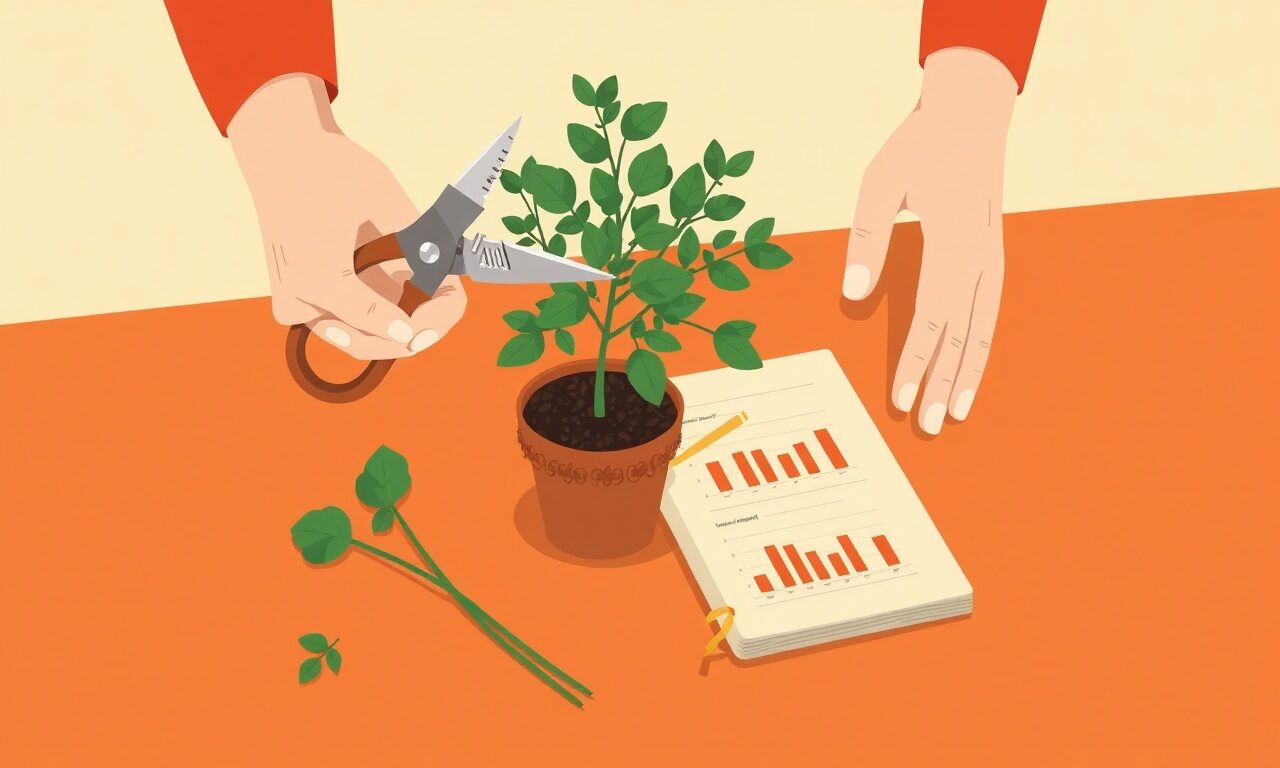
The temptation after a launch is to immediately move on to the next thing. Spend twenty minutes first while it's fresh. Which email got the most inbox replies? Where did people's questions cluster? Did the teaser actually build curiosity, or did most of the questions in the proof email suggest people missed information the first time around?
Anyone who bought stays on your customer list automatically, ready for your next launch's teaser. Anyone who didn't buy but engaged — opened every email, replied with a question, clicked the link without converting — is worth a short, no-pressure follow-up a week or two later, not another hard pitch. A launch sequence's real output isn't just this week's sales; it's a sharper list and a sharper next campaign.
None of this requires a second platform. The teaser, the launch-day announcement, the proof email, and the last call are four sends from the same store.fan broadcast tool, to the same customer list, pointing at the same product page — the only thing that changes across the week is what each email is asking the reader to feel.
Turn your knowledge into income
Launch your Store.Fan in minutes — sell digital products, courses, and calls straight from your bio. Free to start.