Answering buyers from your phone without sounding rushed or curt
The iOS app puts your inbox in your pocket, which is a mixed blessing. Rules for what you answer on the spot and what genuinely waits for a keyboard.
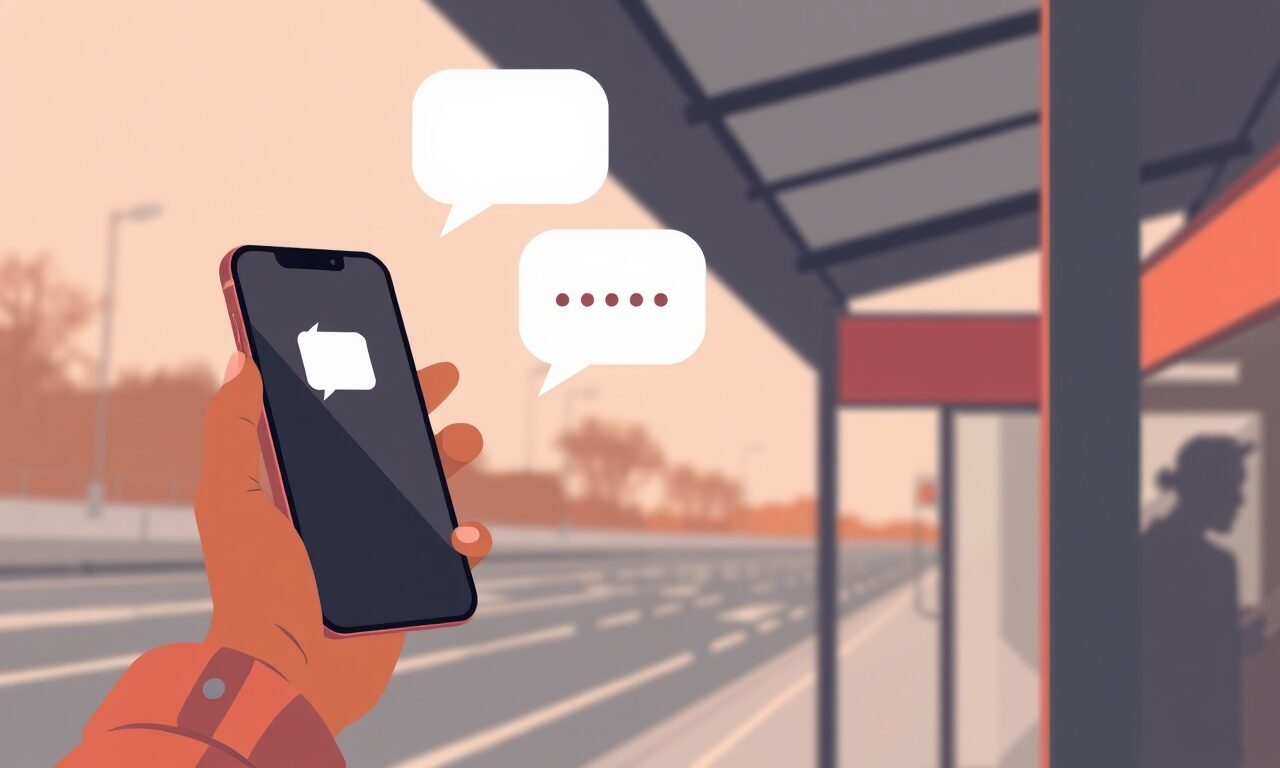
You are in a supermarket queue when a message arrives. Someone who bought your course last month wants to know whether the third module covers the thing they are stuck on, and whether you would look at their work if they sent it. You have ninety seconds and one thumb. Almost everything that goes wrong with customer messages happens in that ninety seconds, and the fix is not typing faster. It is knowing, before you open the app inbox, which messages belong to a queue and which belong to a desk.
Why a pocket inbox makes people worse at replying
Being reachable everywhere sounds like better service and often produces the opposite. When you can reply from anywhere, you reply from everywhere: mid-conversation, half distracted, in the four minutes before a meeting. The reply goes out with no greeting, one clause, and a full stop that reads colder than you meant.
There is a second effect that is harder to admit. Reading a difficult message on your phone and not answering it costs you something all day. You carry it. So you either answer it badly to be rid of it, or you avoid opening the app, which is how a two-day reply becomes a nine-day one.
The honest constraint is that some questions genuinely cannot be answered well from a phone. A buyer asking whether your programme suits their situation deserves a considered paragraph, and a paragraph is slow to type and easy to get wrong when you cannot see their purchase history without switching screens. Knowing which those are is the whole skill.
The reflex reply against a sorted inbox
The comparison is not phone against desktop. It is unsorted against sorted.
| The reflex reply | With a rule and the app inbox |
|---|---|
| Answer whatever buzzed, in whatever state you are in | Sort on sight into now, acknowledge, or desk |
| Write two words to a five-line question | Send a holding line and a time, then answer properly later |
| Leave awkward messages unopened for days | Acknowledge the same day, resolve at the desk |
| Guess what the person bought | Check the order and the customer record before you answer |
| Feel obliged to be instant, all day, every day | State a reply window and let it do the work of being available |
| Handle a refund argument in a queue | Handle refunds only where you can see the full order and think |
The three buckets
Read the message once and decide the bucket before you type a single character. Deciding first is what keeps the tone right.
- 1Answer now: factual, short, and you know the answer without checking anything. What format is the file, does the session run for sixty minutes, is there a version for the older software. One or two lines, sent in under a minute, with a greeting and their name.
- 2Acknowledge now, answer later: anything requiring judgement, empathy or a look at the work. Send one honest sentence saying you have read it and when you will reply properly, then do reply within that time. A time you keep beats an answer you rush.
- 3Desk only: refunds, complaints, disputes, scope changes, anything with money or feelings attached. Open it, read it, close it. Do not draft it in your head all afternoon either; write the one line acknowledging receipt and give yourself permission to stop.
- 4Before answering anything about a specific purchase, open the order so you can see what they actually bought and when. Answering the wrong product is the fastest way to look careless.
- 5For repeat buyers, glance at the customer record first. Someone on their fourth purchase should not be spoken to like a stranger.
- 6If you catch yourself writing a third paragraph with your thumbs, stop. That message has changed bucket and it is now a desk job.
Nobody has ever been upset by a reply that said: I have read this, I want to answer it properly, you will hear from me tonight.— The most useful sentence in a small business inbox
A worked example with two messages
First message: someone who booked a coaching call asks whether the meeting link will be sent nearer the time. This is bucket one. You know the answer, it is factual, and it takes twenty seconds: yes, the booking generates a Google Meet link and their slot is held, plus a line saying you are looking forward to it. Done in the queue, and it reads warm because it is short by nature rather than short by impatience.
Second message: someone asks whether your programme is right for them, describes their situation in five lines, and mentions they have been burned before. That is bucket two at best and bucket three in truth. You send one line: thank you for the detail, that deserves a proper answer rather than a quick one, and you will write tonight. Then that evening, at a desk, you open their record in the customer list, see they already claimed your free guide in March, and write four honest paragraphs including the part where you say which bit of your programme will not help them. That is the message that sells things, and it was never going to be written in a supermarket.
If your buyer messages are currently spread across three inboxes and a comment section, store.fan keeps them with the orders they belong to, on desktop and on your phone.
Start for freeThe mistake most people make
The mistake is treating speed as the whole of good service. Speed matters for acknowledgement and almost nothing else. What buyers actually remember is whether you understood their question and whether you did what you said you would do. A two-hour holding line followed by a thoughtful answer that evening beats a nineteen-minute reply that misses the point, every time. The other half of the mistake is never telling anyone what to expect. Put your reply window on your storefront or in your product description, in plain words, and the anxiety on both sides of the inbox drops. If you want a model for how plainly to write it, the store.fan FAQ is written the same way.
Acknowledge within a day and resolve within two, and say so publicly. That is achievable for one person with a life, and it is faster than most buyers expect. The promise you keep matters more than the number you pick.
Once, briefly, and then answer the question. Long apologies draw attention to the delay and delay the answer further. If the reply is late because the question was hard, saying that is more respectful than an excuse.
Acknowledge from the phone, resolve from the desk, and never write the second paragraph while you still feel it. Open the order first so your facts are right, because being right about the facts is what lets you be generous about the rest.
Yes. Orders and messages both live in the same app, so you can check the purchase, the date and the customer record before answering. Do that first when the question is about a specific product.
The inbox in your pocket is a tool for keeping people warm, not for finishing conversations. Sort first, answer the small things while you are standing up, and give the real questions the desk they deserve. Buyers can tell the difference, and so, after a few weeks, can you.
Set up a storefront and keep every buyer message next to the order it came from, wherever you happen to be standing.
Try store.fanTurn your knowledge into income
Launch your Store.Fan in minutes — sell digital products, courses, and calls straight from your bio. Free to start.