Six places to put your referral link so it actually gets used
Bio, video description, newsletter footer, course lesson. Six placements ranked by effort, with the wording that belongs around each one.

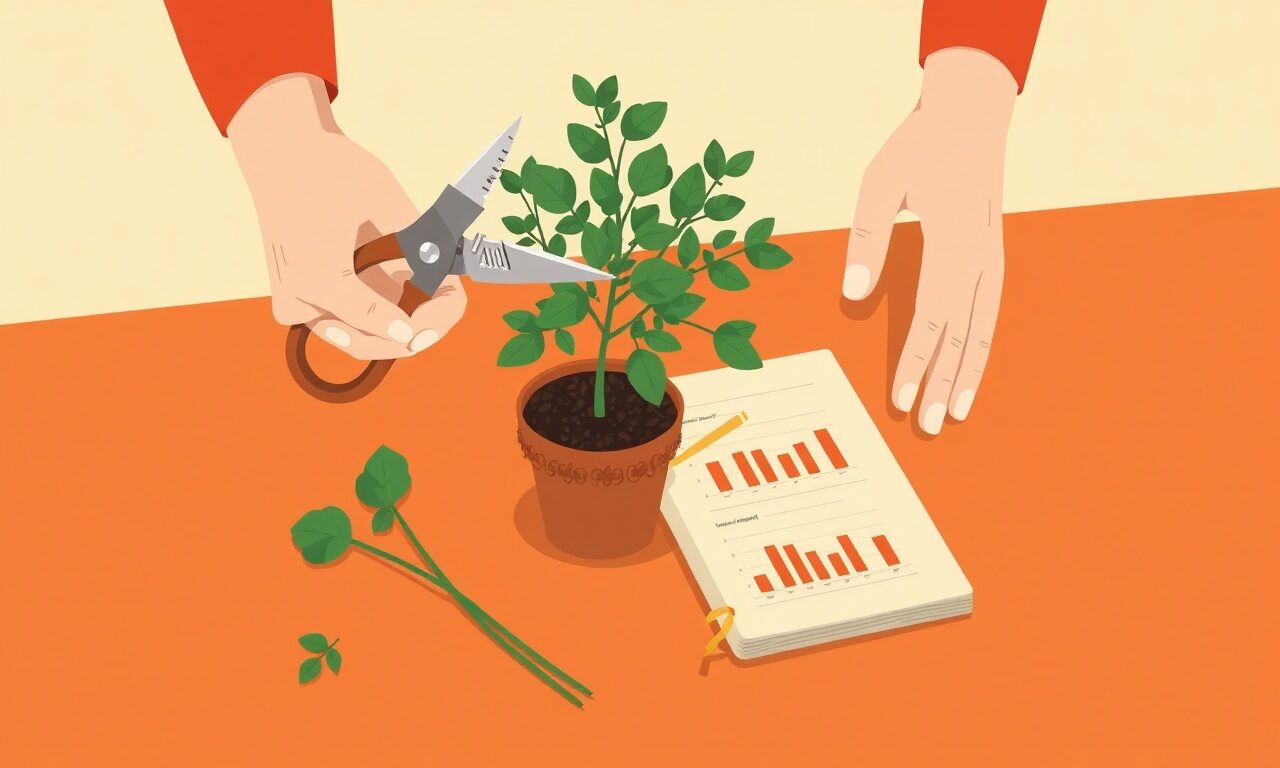
Your join.store.fan link has been sitting in a notes app for a fortnight. You posted it once, it did nothing, and you concluded that affiliate links are not really your thing. The link was never the problem. Almost all referral income comes from placements that keep working long after you stop thinking about them, and almost none comes from the single post you made on a Tuesday afternoon.
Why the single post never works
A post is seen by whoever is awake, once, and then buried. To earn from it, a stranger has to see it, care about the problem it solves that same day, and act immediately. That is three coincidences stacked on top of each other. Meanwhile the person who genuinely needed your recommendation was busy on Tuesday and arrived on Thursday, by which point your post no longer exists in any practical sense.
The harder truth underneath is that referral income rewards patience in a way that is genuinely uncomfortable. Commission follows a referral's payments across their first twelve months, so the payoff for a placement made today may begin arriving weeks from now, in small pieces, from someone you never spoke to. There is no dopamine at the moment of posting. If you need the feedback loop to be immediate, you will quit before the mechanism has a chance to work.
So the strategy is not to post more. It is to place the link in the few locations that new people arrive at continuously, then leave it alone for a quarter.
Broadcasting versus placing
The same link, in two different strategies, behaves completely differently.
| Broadcasting the link | Placing the link |
|---|---|
| Seen once, by whoever happened to be online | Seen continuously, by everyone who arrives later |
| Needs new effort every time you want it seen | Needs one afternoon, then nothing |
| Reaches people at a random moment in their thinking | Reaches people at the exact moment the question comes up |
| Reads like an advert, because it arrives unprompted | Reads like an answer, because something led them there |
| Impossible to improve, since the post is gone | Easy to improve, since you can edit the sentence around it |
| Rate on the commission ladder spikes then falls back | Referrals arrive spread out, which holds the rate steadier |
The six placements, easiest first
Do these in order. The first three take under an hour in total and cover most of what is available to you. Numbers four to six are for people who already publish regularly.
- 1Your own storefront, as a link card below your products. Your storefront supports unlimited link cards on every plan including Free, so this costs you nothing but a minute. Wording: I sell everything on this page with store.fan, 0% platform fee, referral link.
- 2The reply you already type. You are answering the same question in comments and DMs anyway. Save a two-sentence version with the link in it and paste that instead. Wording: I use store.fan for the downloads and the booking calls, payouts go straight to my own Stripe. This is my referral link if it is useful.
- 3Video descriptions on anything about your process, your tools or your business. Put it in the tools section rather than at the top, so it reads as a credit rather than an advert. Wording: Storefront and checkout, store.fan (referral link).
- 4Your newsletter footer, as one line under the sign-off. Everyone who reads to the end is already predisposed to you. Wording: Tools I actually use: store.fan for products and payments (referral link).
- 5A course lesson, if you teach anything that touches selling or getting paid. A link inside lesson notes meets every new student for as long as the course exists. This is the highest-value placement on the list and the one most people never think of.
- 6A pinned post or highlight answering the tools question properly, with two or three sentences on why. This is the only broadcast worth making, because pinning turns it into a placement.
A worked example: the tools question, answered once
A creator who sells photography presets as digital downloads gets the same question weekly: what do you use to sell those. For a year she typed a different answer each time, without a link, because it felt awkward. Then she wrote one honest two-sentence answer with the join link in it, saved it as a keyboard shortcut, and pasted it every time thereafter. Same amount of effort per reply, minus the awkwardness.
In the same afternoon she added a link card to the bottom of her storefront and one line to her newsletter footer. That is three placements and roughly forty minutes of work, all evergreen. She has not made a promotional post since. Whether that produces a lot or a little depends entirely on how many of her readers were ever going to sell something, which is not a thing anyone can promise you. What is predictable is the shape: the referrals arrive gradually, from the placements rather than from posts, and the gradual arrival is exactly what keeps a rate steady on the commission ladder.
No account yet? You need one before you have a link to place, and it is free to create.
Create your accountThe mistake most people make
They recommend the platform rather than the specific thing that solved their problem. Nobody taps a link because a tool is great. They tap because you said the sentence that describes their exact irritation: the platform fee they resent, the delivery email they keep sending by hand, the booking that clashed because a calendar was not synced. Name the problem you had, then name what changed. That sentence writes itself if you think about your own first month, and it will outperform any amount of enthusiasm. The features overview is a useful place to find the one detail that matches your audience.
Yes, and five words are enough. Referral link, in brackets, does the whole job. It also improves conversion, because being straightforward reads as confidence rather than salesmanship.
If a regular reader of yours would encounter the link more than about once a week without asking for it, that is too many. Placement is about being findable, not unavoidable.
Use join.store.fan/yourcode when you want people at the sign-up flow, which is most of the time. Append ?ref= with your code when you specifically want to link to a store.fan marketing page instead.
Probably not much of it, and that is worth admitting early. Place the link on your storefront and in your saved reply, skip the rest, and spend the recovered time on your own products.
Block out forty minutes this week, do the first three placements, and then deliberately forget about them until the end of the quarter. The whole point of a placement is that it does not need you again.
Start with the storefront itself, then add the link card underneath your products.
Build your storefrontTurn your knowledge into income
Launch your Store.Fan in minutes — sell digital products, courses, and calls straight from your bio. Free to start.