One List, Three Email Types: How Delivery, Receipt, and Broadcast Emails Work Together
Every sale quietly triggers more than one email — understand how your automatic delivery message, payment receipt, and broadcast campaigns fit together into one system.
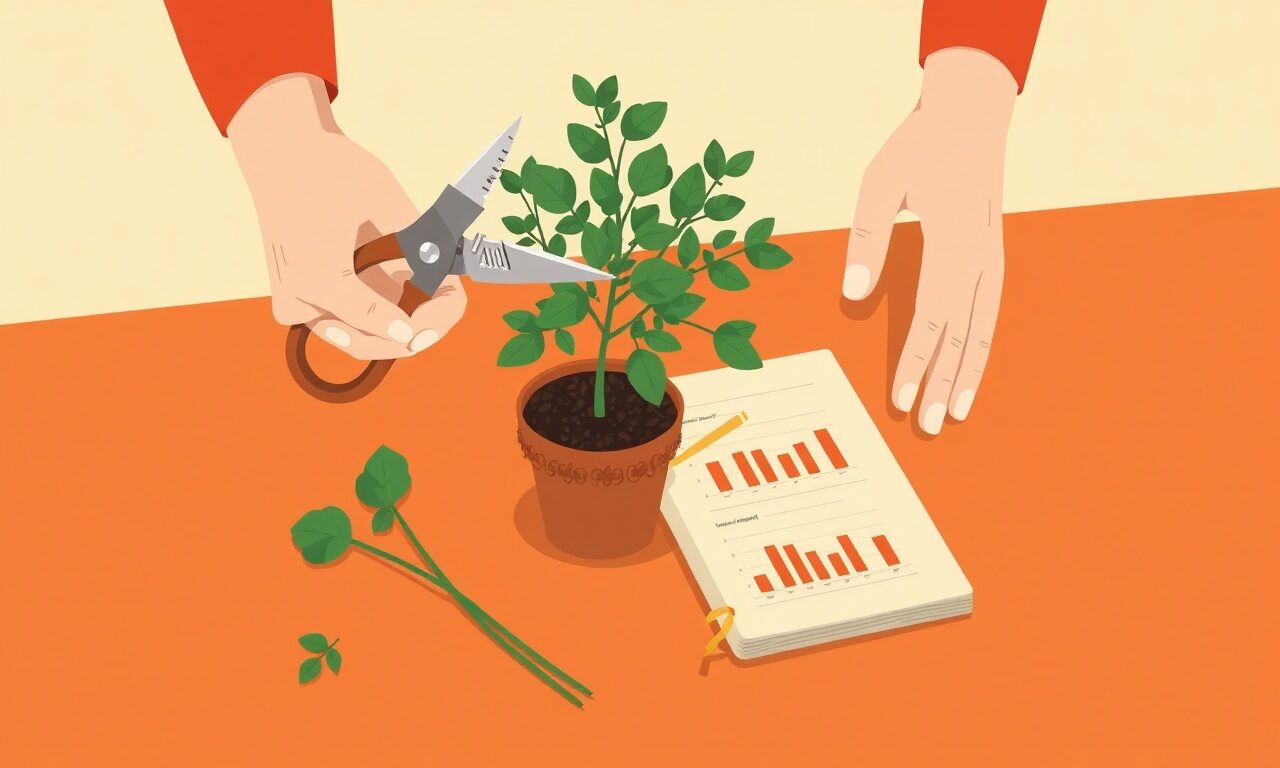
Somebody buys your $27 Notion template at 11:42pm. Within seconds, two separate emails land in their inbox — one with a download link, one that looks like a receipt. Neither of those was written by you in that moment. They fired automatically, the instant the payment cleared. Then, three days later, you send a third email to your whole list about a new product. That one you wrote by hand, and it goes to everyone, not just that buyer. Three emails, three jobs, three timings — and most creators never stop to notice they're actually running three different systems at once. Confuse them, and you either annoy customers with redundant noise or, worse, miss the moments when an email could have made you more money.
Why one storefront quietly runs three email systems
When you create your store on store.fan, you're not just setting up a checkout page — you're wiring up an entire messaging pipeline that runs in the background every time money changes hands. That pipeline has to do two things reliably, with zero input from you, and one thing flexibly, entirely under your control. The reliable half is delivery and receipt. The flexible half is broadcast. Treating all three as interchangeable is where good storefronts start feeling sloppy to buyers.
The delivery email: your product's front door
The delivery email is the workhorse. The moment a payment is approved, store.fan generates a secure link and emails it to the buyer alongside the on-screen confirmation they already saw. If you sell an ebook or a preset pack, that's a direct download link. If you sell a course, it's an access link to the lessons. If you sell a 1:1 coaching call or a live webinar, it's the meeting link and calendar details. This email exists for exactly one reason: get the buyer what they paid for, instantly, with no manual step from you — which matters most at 2am when you're asleep and someone across another time zone just bought your template.
The receipt email: proof, not persuasion
The receipt is the second automatic email, and it has a completely different job: it's a financial record, not a marketing moment. It confirms the amount charged, the date, and what was purchased, so the buyer has something to point to if their card statement looks unfamiliar or they need it for expense tracking. Because payments run straight through your connected Stripe account or PayPal email, the money goes directly to you — store.fan never holds a wallet balance — and the receipt mirrors that direct relationship between buyer and payment processor.
Here's the subtlety: because the receipt is functional, it should stay boring. Don't try to cram a coupon code or a sales pitch into it — that's not what the buyer opened it for, and cluttering a receipt is a fast way to make your brand feel less trustworthy at the exact moment someone is verifying they spent their money correctly.
Delivery vs. receipt vs. broadcast, side by side
| Email type | Trigger | Who receives it | Tone | Can you edit the send time? |
|---|---|---|---|---|
| Delivery | Automatic, instant after payment | Only that buyer | Functional, helpful | No — always instant |
| Receipt | Automatic, instant after payment | Only that buyer | Neutral, factual | No — always instant |
| Broadcast | Manual, whenever you hit send | Segment or full customer list | Promotional, personal | Yes — fully your call |
Broadcast campaigns: the only email you actually write
Broadcasts are the third piece, and they're the one entirely in your hands. Using the customer list your storefront builds automatically with every sale, you can send a campaign to everyone who's bought from you, or a filtered slice of them, whenever you want. This is where you announce a new drop, run a 48-hour discount code, share a case study, or simply re-engage people who bought once and never came back. Unlike delivery and receipt emails, broadcasts don't fire themselves — which is exactly why so many creators forget to send them at all.
Good moments to send a broadcast
0/5Where creators actually mess this up
The most common mistake is stuffing broadcast-style content into the delivery email — adding a big "check out my other products!" pitch right next to the download link. The buyer just paid you; they opened that email to get their file, and a full sales pitch in the same breath reads as pushy, not helpful. The second mistake runs the other way: creators forget broadcasts exist entirely and never message their list again after the sale, leaving real revenue on the table. A customer list is only valuable if you actually use it — a discount code sent to last month's buyers, a heads-up about a new webinar, a simple "how's it going with the template?" check-in are all fair game, and none of them belong inside a transactional email.
A receipt should feel like paperwork. A broadcast should feel like a person. Mixing the two makes both feel worse.— store.fan pro-tips desk
Building a rhythm instead of guessing
Think of the three emails as a timeline rather than three separate features. Delivery and receipt happen in the same instant, purely reactive. Then there's open space — a day, a week, a month — before your next deliberate move. That gap is where a light, well-timed broadcast turns a one-time buyer into a repeat one: a short note two days after a course purchase asking how lesson one landed, or a discount code on a companion product a week after someone buys your flagship ebook. None of that automation exists without you choosing to send it, which is exactly why it's worth putting on a recurring reminder rather than leaving it to memory.
If you're still deciding whether it's worth setting all this up for a handful of products, look at a live example store to see how delivery, receipts, and campaigns show up around one real catalog. And if you want the mechanics of discount codes, custom checkout fields, or the built-in inbox that catches customer replies, the blog has walkthroughs for each.
Set up automatic delivery and receipts in minutes, then start sending broadcasts your list actually wants to open.
Start freeFAQ: delivery, receipts, and broadcasts
These are functional, automatic emails tied to your product and payment details, designed to be reliable rather than editable like a campaign. If you want to add a personal touch or extra offer, do it in a follow-up broadcast instead, where you have full control.
Broadcast campaigns are part of your storefront's built-in tools. Check plans to see what's included at each tier, since some advanced features scale with the plan you're on.
It happens — usually a spam filter or a typo'd email at checkout. The buyer can also see their download or access link on-screen right after payment, so it's rarely a total loss, but if something looks broken on your end, contact support and the team will help sort it out.
Not necessarily. Segment your list by what people bought so a broadcast about an advanced course upgrade doesn't go to someone who only downloaded a free lead magnet — relevance is what keeps open rates healthy.
There's no hard rule, but treat your list with respect: send when you have something genuinely useful or timely, not just to fill a schedule. Check the FAQ for more on list management, and browse the blog for cadence ideas that other creators use.
Get this rhythm right and your storefront starts to feel less like a checkout page and more like a relationship: instant, dependable delivery when someone buys, a clean receipt for their records, and a human voice showing up in their inbox only when you actually have something worth saying. That's the whole point of running store.fan instead of duct-taping file links and spreadsheet exports together — the infrastructure handles the reliable stuff automatically, so your energy goes into the messages that actually grow the business.
Turn your knowledge into income
Launch your Store.Fan in minutes — sell digital products, courses, and calls straight from your bio. Free to start.