
👕 Everyday life · Guide
Build A Capsule Wardrobe
Fewer clothes, chosen from evidence rather than from a mood board
Build A Capsule Wardrobe
Your name
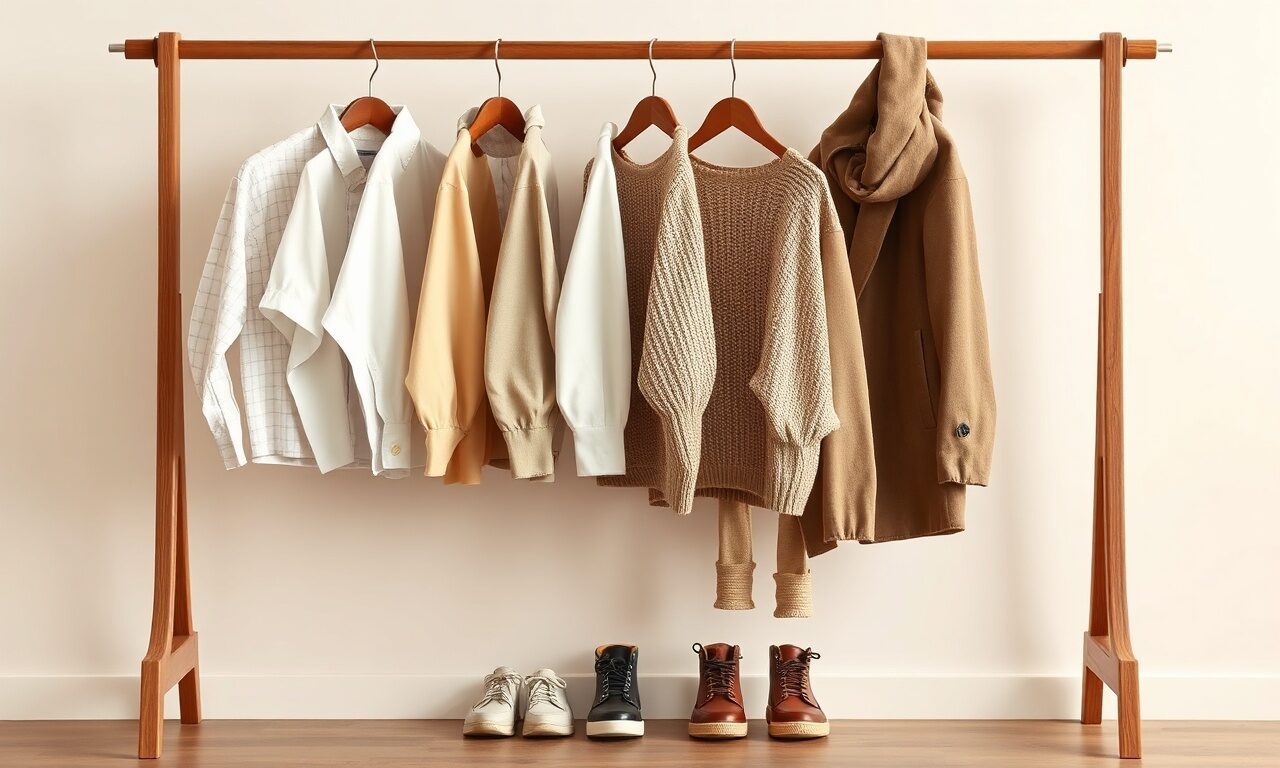
A4 · this is a layout preview in the “Handbook” design. When you generate, the studio writes every chapter in full, paints the cover and chapter art, and composes a downloadable A4 PDF with your name, bio and store link on it.
A capsule wardrobe is usually sold as a look. It works better as a record: a short list of clothes you have proved you wear, in colours that combine without thought. This guide starts with two weeks of evidence and ends with a wardrobe you can dress from in the dark.
What's inside
- 1Count What You Wear In A FortnightA two-week log of what you actually put on, and how to read the repeats it exposes. After this chapter you will have written evidence of your real wardrobe rather than an impression of it.
- 2Pick The Colour SpineChoosing one or two neutrals for the heavy items so everything combines without effort, and where colour belongs instead. You will finish with a colour rule you can hold in your head while shopping.
- 3The Thirty-Piece ListBuilding the working list by category, with counts for tops, trousers, layers, shoes and outerwear. After this chapter you will have the list written down with quantities against each line.
- 4Sizing The Gaps HonestlyHow to describe what is missing as a situation rather than as a garment, and how to spot false gaps. You will be able to tell a real need from a shopping urge before you spend anything.
- 5Buying Slowly, One Item At A TimeA one-in rule, a waiting period and a fit check that catches the items that never get worn. After this you can add to the wardrobe without rebuilding the problem you just solved.
- 6Keeping It From Creeping BackThe seasonal review, the outbox basket and what to do with clothes that no longer fit the list. You will finish with a short maintenance routine that takes about twenty minutes twice a year.
A sample from chapter one
Count what you wore, not what you own
For two weeks, keep a note on your phone of what you actually put on. Not what you meant to wear, or what you like the idea of wearing, but the trousers and the jumper you reached for on a wet Tuesday. Most people find the list is far shorter than they expected, and that it repeats itself heavily. That repeating list is your real wardrobe.
Then open the wardrobe and sort it into three piles: things on the list, things that would be on the list if they fitted or were mended, and everything else. Do not throw the third pile out yet. Put it in a bag, out of sight, with today's date written on it. If you have not gone looking for anything in six weeks, the decision has made itself.
- Write the two-week log before you buy or discard a single item.
- Pick one neutral for trousers and outerwear, and let colour live in knitwear and shirts.
- Count shoes honestly; most capsules fail on footwear rather than on clothes.
- Write gaps as sentences, such as something warm for a cold office, rather than as categories.
Key takeaways
- A capsule wardrobe is a record of what you wear, not an aesthetic you adopt.
- The bagged pile is a decision delayed on purpose, and the delay is what makes it painless.
- Gaps described in plain words are far easier to shop for than gaps described as garments.
The studio writes every chapter from this outline, paints the art and hands you a PDF you can sell the same afternoon.
Start free