
🥕 Food & home · Guide
The First Year On A Plot
What to do in each season, and what can safely wait
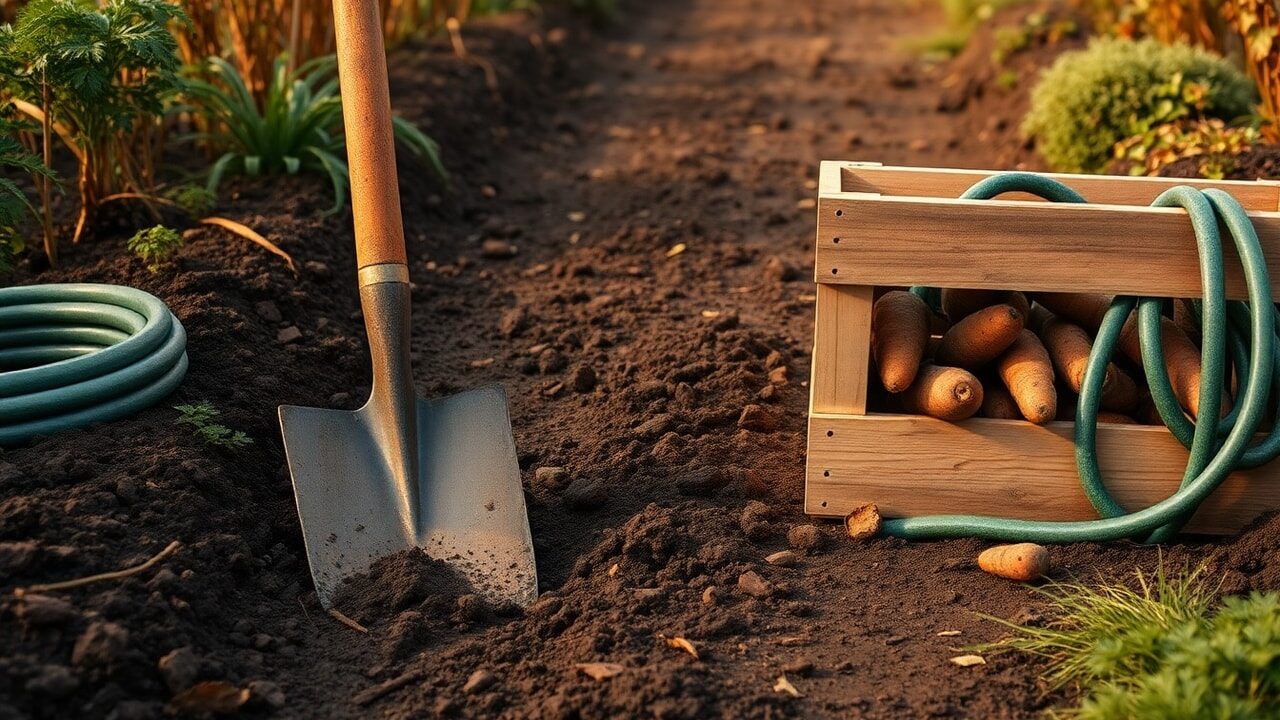
The First Year On A Plot
What to do in each season, and what can safely wait
Your name
A4 · this is a layout preview in the “Clipboard” design. When you generate, the studio writes every chapter in full, paints the cover and chapter art, and composes a downloadable A4 PDF with your name, bio and store link on it.
A new allotment is usually taken on in a burst of enthusiasm in January and abandoned in a heatwave in July. The difference between the plots that survive their first year and the ones that go back on the waiting list is almost never effort. It is choosing a smaller number of jobs and doing them in the right season, which is what this guide sets out.
What's inside
- 1Taking on the plot: look before you digYou measure the plot, work out where the sun falls and where the water comes from, and find out what the site rules actually require of you. After this chapter you have a sketch of the plot and know which third of it you will cultivate first.
- 2Winter: clearing without wrecking your backYou clear in stages using cardboard and cover rather than digging the whole plot over in February. The chapter covers what to do with brambles, couch grass and bindweed, and why burning everything is rarely the answer.
- 3Early spring: beds, paths and compostYou lay out beds you can reach across and paths you can push a barrow along, then start a compost heap that will be useful by autumn. After this chapter the shape of the plot is settled for years rather than months.
- 4Late spring: sowing what you will actually eatYou choose a small number of crops that suit your soil, your time and your kitchen, rather than one row of everything in the catalogue. This chapter includes a first-year list that gives a long harvest without daily attention.
- 5Summer: watering, weeding and the fortnight awayYou keep on top of the plot in the weeks when everything grows at once, and arrange cover for the holiday that always falls in the middle of the harvest. After this chapter you have a twenty-minute routine that holds a plot together.
- 6Autumn: harvest, storing and putting the plot to bedYou lift, cure and store what keeps, sow green manure or cover the bare beds, and tidy so that February is not a disaster. The chapter covers which crops store well in a cold shed and which need eating within a week.
- 7Year two: what to changeYou review the year honestly, drop the crops that failed or that nobody ate, and expand into the part of the plot you left covered. After this chapter you have next year planned on one page.
A sample from chapter one
Measure the plot before you dig it
Walk the plot with a tape measure and a piece of paper before you touch a spade. Note the length and width, where the tap is, where the shade falls at midday, which end is wettest after rain and where the wind comes from. Half an hour of this saves a year of moving beds around and discovering that the best corner is the one you paved.
Then read the tenancy agreement. Most sites require a proportion of the plot to be cultivated within a set period, and many have rules about sheds, trees, bonfires, hosepipes and dogs. Knowing the requirement changes your plan, because you are no longer trying to clear everything. You are trying to bring one workable section into use by the date on the letter.
- Sketch the plot with measurements, the tap, the shade and the wet corner marked on it.
- Read the site rules for what proportion of the plot must be in cultivation, and by when.
- Cover the part you will not use this year, rather than clearing ground you cannot plant.
- Talk to the plot holders either side, who know the soil and the site far better than you do.
Key takeaways
- The layout decided in the first month is the one you will live with for years, so measure first.
- Cultivating a third of a plot well beats clearing all of it and planting none of it.
- Neighbouring plot holders are the most reliable source of advice about your particular site.
The studio writes every chapter from this outline, paints the art and hands you a PDF you can sell the same afternoon.
Start free