
🎤 Business & freelancing · E-book
Speaking To A Room
Preparing and delivering talks you did not ask to give
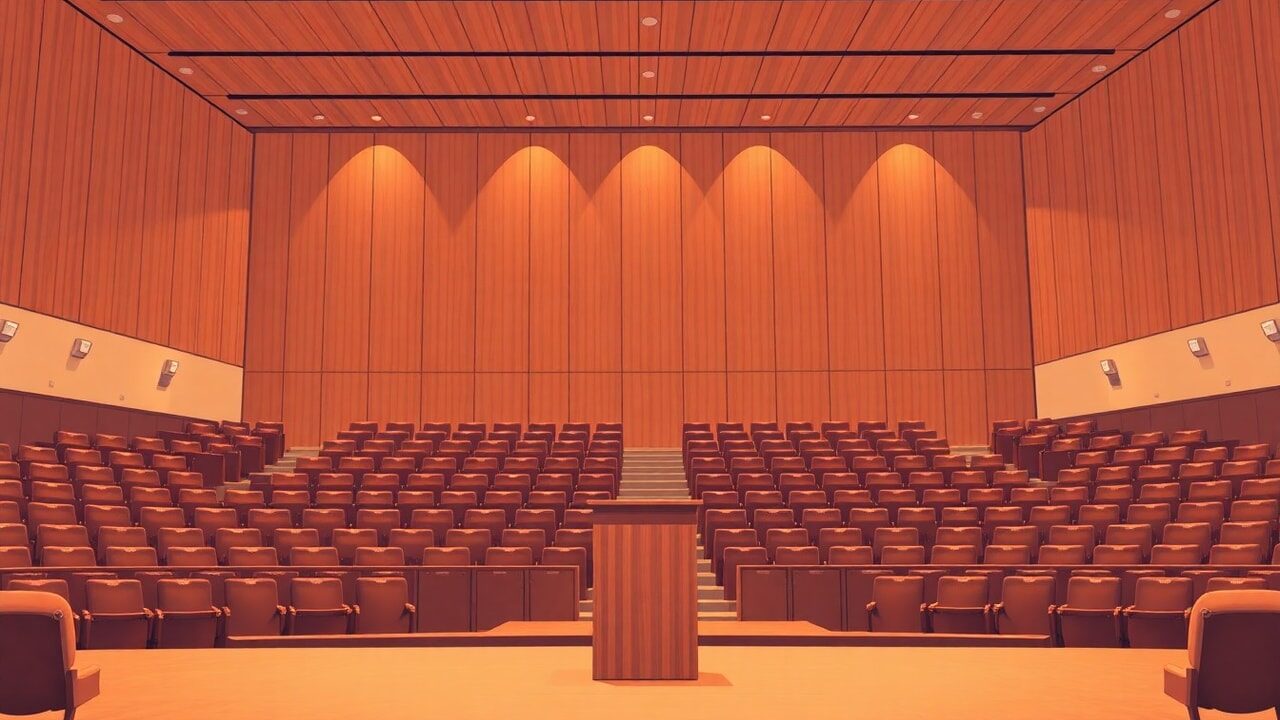
Speaking To A Room
Preparing and delivering talks you did not ask to give
Your name
A4 · this is a layout preview in the “Noir” design. When you generate, the studio writes every chapter in full, paints the cover and chapter art, and composes a downloadable A4 PDF with your name, bio and store link on it.
Very few people present because they want to. Most do it because the work requires it, and would rather it were shorter and further away. This book is written for them. It treats speaking as a set of learnable decisions about shape, language and rehearsal, rather than as a matter of confidence you either have or do not.
What's inside
- 1What The Talk Is ForEstablishes the difference between informing, persuading and deciding, and why a talk that tries to do all three does none. After this chapter you can state in one sentence what you want the room to do differently afterwards.
- 2One Idea And Its ShapeShows how to reduce a talk to a single argument with three supports, and how to choose between chronological, problem-led and comparative shapes. After this chapter you will have your talk on one index card before you write a word of it.
- 3Writing For The EarCovers the difference between prose that reads well and language that survives being spoken aloud, including sentence length and signposting. After this chapter you can rewrite a written report into something a listener can follow without rereading.
- 4Slides That HelpSets out what slides are good at, what they ruin, and how to build a deck that supports speech rather than duplicating it. After this chapter you will have a slide rule of your own: what each slide must earn to stay in.
- 5Rehearsal That TransfersExplains why reading through in your head does not prepare you, and gives a rehearsal ladder from voice-only to full standing run. After this chapter you will have a rehearsal plan sized to how much the talk matters.
- 6Nerves As InformationTreats the physical symptoms of nerves as manageable signals rather than evidence of unsuitability, with practical routines for breath, pace and the first minute. After this chapter you will have a two-minute routine for the moments before you speak.
- 7The Room ItselfCovers microphones, lighting, timing signals, room layout and what to do when the technology fails. After this chapter you will have a short pre-flight check you run in any venue before an audience arrives.
- 8Questions And Getting BetterDeals with question time, hostile questioners, the ones you cannot answer, and how to collect useful feedback afterwards. After this chapter you will have a way of handling questions and a habit that makes each talk better than the last.
A sample from chapter one
Decide what the room does next
Before anything else, finish this sentence: after this talk, I want these people to do something. Approve the budget. Change how they log incidents. Understand why the migration slipped, and stop asking. If you cannot finish the sentence, you do not yet have a talk, you have a subject, and subjects are what produce presentations that end with an apology for overrunning.
The sentence does more work than it looks. It tells you what to cut, because anything that does not serve it is optional. It tells you where to start, because the room needs to arrive at your conclusion by a route they accept. It also gives you a way to know afterwards whether the talk worked, which is rarer than it should be.
- Write the one-sentence purpose at the top of your notes and reread it each time you consider adding a slide.
- Rehearse the first ninety seconds until it is automatic, because that is when nerves are highest and attention is cheapest.
- Rehearse standing and out loud at least once; silent read-throughs hide every sentence you cannot actually say.
- Prepare an answer for the question you least want to be asked, and offer it yourself if nobody does.
Key takeaways
- A talk without a stated purpose becomes a tour of a subject, and the room leaves without doing anything.
- Speaking is a physical skill, so rehearsal has to be physical to be any use.
- Question time is part of the talk and deserves the same preparation as the middle section.
The studio writes every chapter from this outline, paints the art and hands you a PDF you can sell the same afternoon.
Start free