
🧮 Business & freelancing · E-book
Freelance Tax Without Panic
A working year of records, set-aside and returns
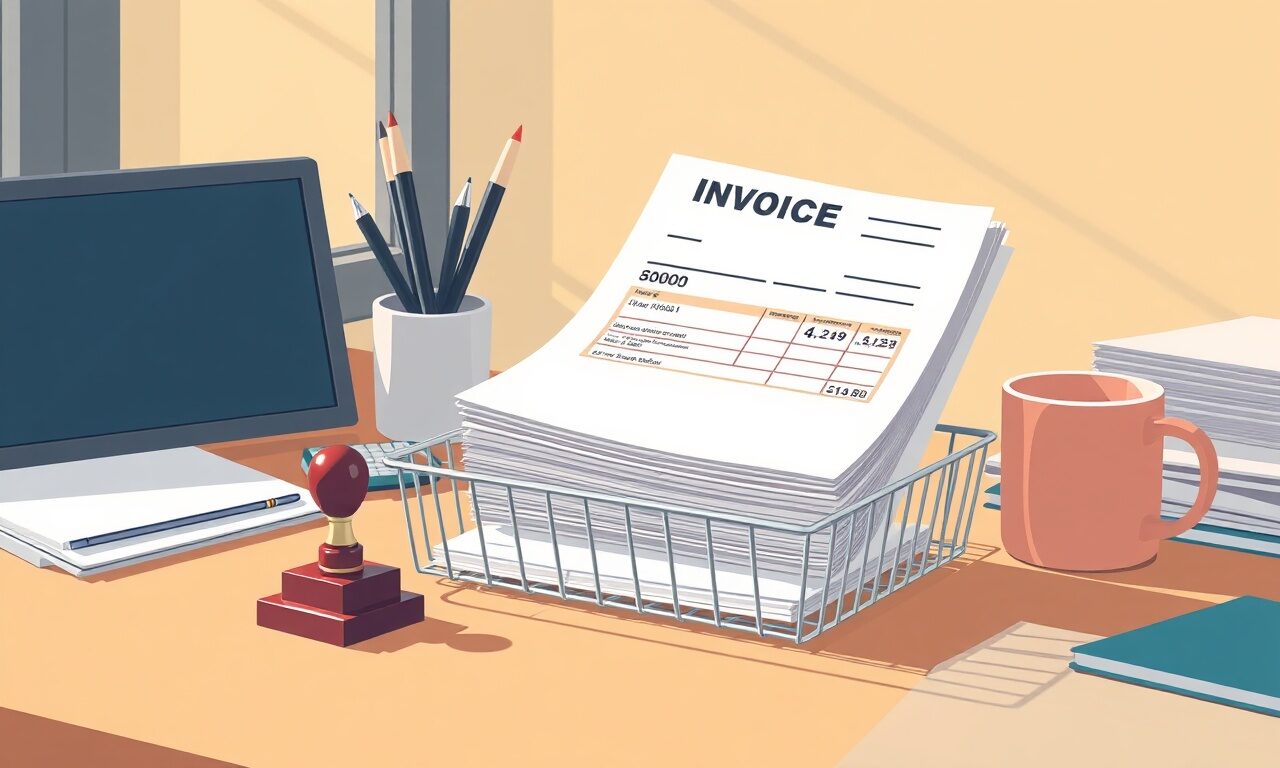
Freelance Tax Without Panic
Your name
A4 · this is a layout preview in the “Tiles” design. When you generate, the studio writes every chapter in full, paints the cover and chapter art, and composes a downloadable A4 PDF with your name, bio and store link on it.
Freelance tax is not difficult so much as unfamiliar, and unfamiliar things get left until January. This book follows one working year: what to register, what to record as you go, how much to hold back from each invoice, and what actually happens when you sit down to file. Rates, thresholds and deadlines change, so every figure here points you to the official HMRC guidance rather than quoting a number that may be out of date, and none of it replaces advice from an accountant on your own circumstances.
What's inside
- 1Registering and What It MeansCovers when self-employment starts for tax purposes, how registration works, and what you are agreeing to file afterwards. You will know your obligations and the dates attached to them.
- 2One Account, One HabitExplains why a separate business bank account removes most of the year-end pain, and the ten-minute weekly habit that keeps records current. You will have a bookkeeping routine that fits into a Friday afternoon.
- 3Invoices, Payments and ProofSets out what an invoice must contain, how to chase politely, and what evidence to keep for how long. After it you will have a numbering system and a folder structure you can stick to.
- 4What Counts as an ExpenseExplains the wholly-and-exclusively principle, common allowable costs, and the ones people wrongly claim. You will be able to sort your own spending into claimable, partly claimable and personal.
- 5The Set-Aside AccountBuilds the habit of moving a fixed proportion of every payment into a separate tax pot the day it lands. You will choose a percentage, open the account, and automate the transfer.
- 6Income Tax and National InsuranceDescribes how self-employed profit is worked out and which contributions sit on top, in structure rather than in numbers. You will understand what the bill is made of and where to check this year's rates.
- 7Payments on Account and Cash FlowExplains why the first bill can be larger than expected and how the advance payment system reshapes your cash flow. You will leave with a twelve-month cash plan that includes both due dates.
- 8Filing Without a January CrisisWalks through preparing the return in autumn, the documents you need to hand, and when to bring in an accountant. You will finish with a dated preparation checklist for next year.
A sample from chapter one
Treat the tax money as never having been yours
The single most useful habit in freelance finance is also the least interesting. When a client payment lands, move a fixed proportion of it straight into a separate savings account reserved for tax, on the same day, before the money has a chance to look spendable. Everything else in this chapter is detail; this is the part that decides whether January is an administrative task or a crisis.
The proportion depends on your profit, your other income and the current rates, so check the official guidance rather than copying a figure from a forum. Whatever you choose, err upwards. A set-aside that turns out to be too large leaves you with a surplus and a decision to make. One that turns out to be too small leaves you borrowing to pay a bill you already knew was coming.
- Open a separate, clearly named savings account and never use its card for anything
- Set a standing rule: every payment in, a fixed percentage out, on the day it clears
- Recheck your percentage after any large or unusual invoice rather than once a year
- Keep the pot boring and accessible; this is not money to invest or lock away
Key takeaways
- Money set aside on the day it arrives is far more reliable than money you intend to find later.
- A separate business account turns bookkeeping from an archaeology project into a weekly ten-minute task.
- Check rates, thresholds and deadlines against current HMRC guidance every year, because they move.
The studio writes every chapter from this outline, paints the art and hands you a PDF you can sell the same afternoon.
Start free