The Win-Back Code: Reactivating Dormant Customers From Your List With a Targeted Discount Campaign
Your past buyers are the easiest audience to sell to twice — a well-timed code and email can bring them back in one send.
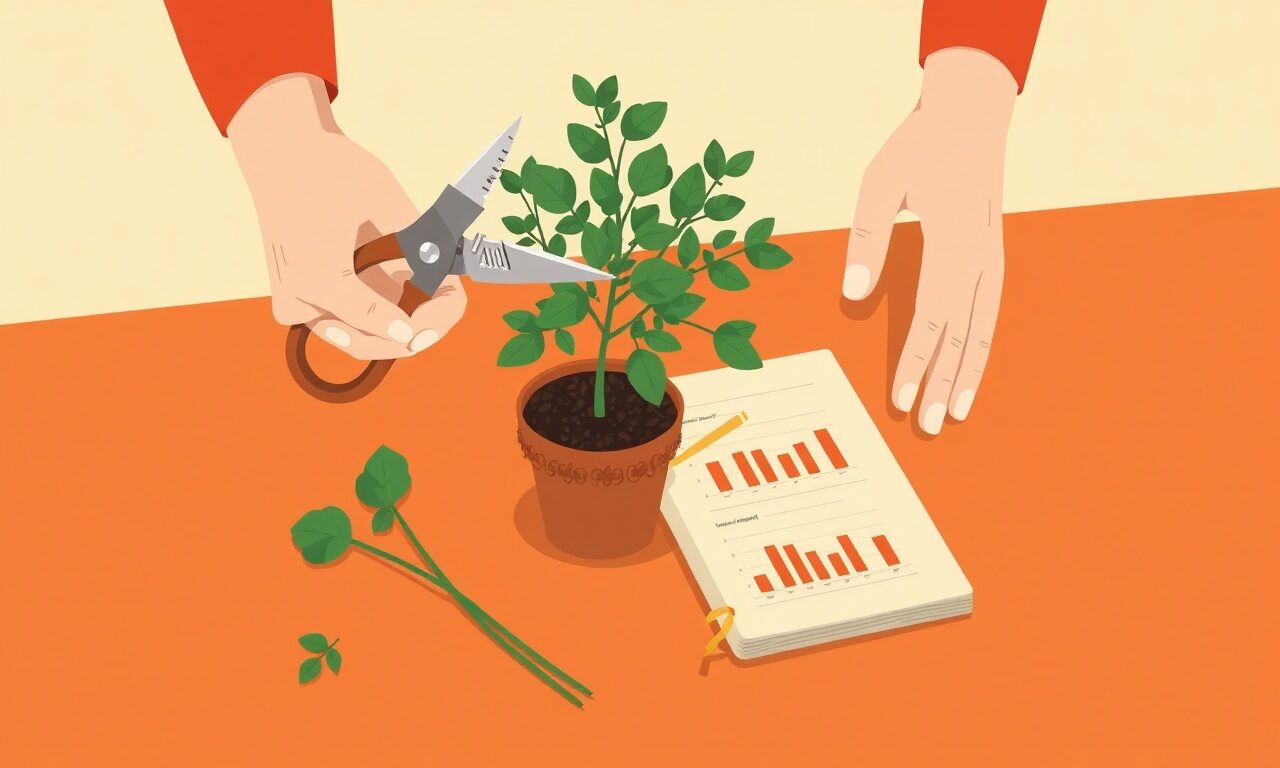
Somewhere in your customer list is a group of people who already trust you enough to have paid you once. They know your product is real, they know delivery works, they know you're not going to disappear with their money — and yet most creators never talk to them again after the receipt goes out. That's the most expensive silence in a digital storefront. Acquiring a brand-new buyer from a cold audience takes a post, a click, and a leap of faith. Reactivating a past buyer takes one well-timed email and a reason to come back. If you've been pouring all your energy into new-follower growth while your list of previous customers just sits there, you're leaving the cheapest revenue in your business untouched. A win-back campaign — a short, honest email paired with a unique discount code sent straight to people who already bought from you — is one of the highest-return moves available to any creator with a store.fan storefront and more than a handful of past sales.
Why your customer list is your most underused asset
Every sale that comes through store.fan adds the buyer to your customer list automatically — name, email, what they bought, when they bought it. Most creators glance at that list to check a total and move on. But that list is a ranked-by-trust audience, sorted for you. Someone who bought your $27 template pack six months ago and never came back isn't a stranger; they're a warm lead with a completed transaction in their history. They already know your Stripe checkout works, they already know the download arrives instantly, and they already liked the product enough to pay for it once. The entire cold-audience trust-building process — is this creator legit, does the product actually deliver, will my card be charged safely — is already done. All that's missing is a reason to come back and a nudge that arrives at the right moment. That's exactly what a discount code paired with a direct email accomplishes, and it costs you nothing but ten minutes of writing.
Step 1: define "dormant" for your specific business
Don't borrow someone else's window. "Dormant" is relative to how often a normal customer of yours would naturally buy again. If you sell a $9 weekly meal-plan template, someone who hasn't purchased in three weeks is already cooling off. If you sell a $400 cohort-based course that runs twice a year, a six-month gap is completely normal and shouldn't trigger a win-back yet. Look at your own repeat-purchase pattern before picking a cutoff — check how long it typically takes a returning customer to buy again, then set your dormant window at roughly double that gap. That's usually the sweet spot: long enough that they've genuinely gone quiet, short enough that the relationship hasn't fully cooled.
| Product type | Typical repeat cycle | Suggested dormant window |
|---|---|---|
| Low-price templates / presets | 2-4 weeks | 45-60 days |
| Ebooks / guides | 1-2 months | 90 days |
| Coaching calls / 1:1 sessions | 1-3 months | 90-120 days |
| Courses / memberships | 3-6 months | 180 days |
| Seasonal or launch-based products | Tied to launch calendar | One full cycle since last launch |
Step 2: build the code before you write the email
Create a discount code specifically for this send — not your evergreen 10% welcome code, not a code you've used in three other campaigns. A win-back code should feel like it exists only for the person reading the email, because that specificity is what makes it read as personal instead of promotional. Name it something the recipient will recognize as "for me": WELCOMEBACK15, MISSEDYOU20, something plain and human rather than a generic sale label. Set an expiration — five to seven days is the standard window, long enough to fit around someone's actual schedule, short enough to force a decision instead of a maybe-later. Store.fan's discount codes support both flat and percentage-off structures and can be scoped to specific products, so you can point the win-back code at exactly the item you want them to reconsider rather than your entire catalog.
Step 3: write the email like you noticed they left, not like you're blasting a list
The single biggest mistake in win-back emails is writing them exactly like every other broadcast — a headline, a product photo, a generic "check this out." That approach ignores the one thing that makes this audience different: they've been gone. Acknowledging the gap directly, in the first line, is what makes the email land as personal rather than automated. Something as simple as "It's been a minute since your last order — here's a little something to welcome you back" outperforms a straight promo subject line because it matches what the reader is actually thinking when they see your name in their inbox. Keep the body short: one line acknowledging the gap, one line reminding them what they bought or what's new since, the code front and center, and a single clear button. Resist the urge to cram in three products and a testimonial wall — a win-back email has one job, and clutter dilutes it.
A simple structure that works
- 1Subject line that names the gap honestly: "We miss you (and we brought a discount)" beats "Big sale this week" every time for this audience.
- 2Opening line acknowledges time passed without guilt-tripping — warm, not needy.
- 3One sentence reminding them what they bought or what's new in your store since their last visit.
- 4The code, displayed clearly, with the expiration date stated plainly so there's no ambiguity.
- 5One button linking straight to the product or your storefront, never a generic "visit my website" link.
- 6A short, human sign-off — this should read like it came from you, not a marketing department.
Step 4: send it as a broadcast to the segmented list, not your whole audience
This is where the customer list and the broadcast email tool work together. Filter your list down to buyers who purchased before your dormant cutoff and haven't purchased since — that segment is your entire send. Sending the win-back code to your full list dilutes the message for people who bought last week and don't need reactivating, and it burns a discount code on an audience that would have converted anyway. A focused send to 200 lapsed buyers will consistently outperform a scattershot send to 2,000 mixed contacts, both in open rate and in redemption rate, because everyone receiving it is actually the person the email was written for.
Win-back campaign launch checklist
0/8Step 5: measure it like a campaign, not a vibe
A win-back send is worth running again only if you actually track what happened. After the code expires, pull three numbers: how many emails were opened, how many redeemed the code, and what the revenue from those redemptions added up to against zero acquisition cost. Even a modest redemption rate is a strong result here, because every dollar earned came from a customer you already had, with no ad spend and no new-follower funnel required. If a particular product drove most of the reactivations, that's a signal worth remembering for your next launch — it tells you what your dormant buyers are actually waiting to hear about again, not just what you assumed they'd want.
The cheapest sale you'll ever make is the second sale to someone who already trusted you enough to make the first one.— store.fan team
Make it a recurring habit, not a one-off rescue
The creators who get the most out of this tactic don't run it once during a slow month and forget about it — they build it into their calendar the same way they'd schedule a product launch. Every 60-90 days, pull the updated dormant segment, write a fresh code, and send a new version of the email with an updated product mention. Over a year, that's four to six sends that cost almost nothing to produce and consistently pull revenue out of an audience that would otherwise generate zero. If you're still deciding whether your storefront setup even supports this kind of workflow, it's worth looking at a live example store to see how customer data, discount codes, and broadcast emails connect in practice, or browsing the blog for more retention and email playbooks built the same way.
| Mistake | Why it hurts | Fix |
|---|---|---|
| Sending to the entire list | Wastes the discount on recent buyers, dilutes the message | Segment strictly to past-cutoff buyers only |
| Reusing an old evergreen code | Feels generic, no urgency, easy to ignore | Create a fresh code with a real expiration date |
| Ignoring the gap in the copy | Reads like spam instead of a personal note | Open by acknowledging the time since their last order |
| No expiration date on the code | Removes urgency, easy to forget entirely | Always set a 5-7 day window |
| Never tracking redemptions | You repeat mistakes and can't improve the offer | Check opens, redemptions, and revenue after every send |
Even a list of a few dozen past buyers is worth segmenting and emailing — the cost to send is essentially zero, and the redemption rate on a well-targeted list tends to beat cold outreach regardless of size. Start as soon as you have repeat-purchase history to look back on.
Either works, but pointing the code at a related or newer product often performs better than re-offering the exact same item, since it gives the buyer a genuine reason to return rather than just a cheaper repeat of something they already own.
That's useful data too — if open rates are low across a dormant segment, the issue may be your subject line or your sending name rather than the offer itself. Test a more direct, human subject line before assuming the audience isn't interested.
You can build the habit into a recurring calendar reminder even without full automation — pull the segment, refresh the code, and send. Check the FAQ for specifics on how customer lists and broadcast emails work together in your store.fan dashboard.
Yes — a single-product store can still win back lapsed buyers with a discount on a repurchase, a bundle add-on, or early access to a new version. The tactic is about reactivating trust, not about having a large catalog to point to.
None of this works, of course, if there's no store collecting customer data and no discount-code system to plug into in the first place. That's the real starting point: a storefront that automatically builds your customer list with every sale, lets you create scoped discount codes in a couple of clicks, and gives you a broadcast tool to reach exactly the segment you want. If you're still selling through scattered links and manual invoices, you're not just losing convenience — you're losing the entire dataset that makes campaigns like this possible. Every past buyer who isn't in a structured list is a win-back opportunity you can't act on. Fixing that starts with one setup step, not a rebuild of your entire business, and it pays for itself the first time a dormant buyer comes back for a second purchase. Questions about how any of this fits your specific setup are always welcome — contact support and the team will walk through it with you.
Turn your past buyers into repeat revenue with a storefront that tracks every customer automatically.
Start freeTurn your knowledge into income
Launch your Store.Fan in minutes — sell digital products, courses, and calls straight from your bio. Free to start.