What to charge for a live seat: pricing the room, not the hour
A webinar ticket is priced by the room, not the runtime. How to set a number people pay without hesitating, and when capping seats earns you more.
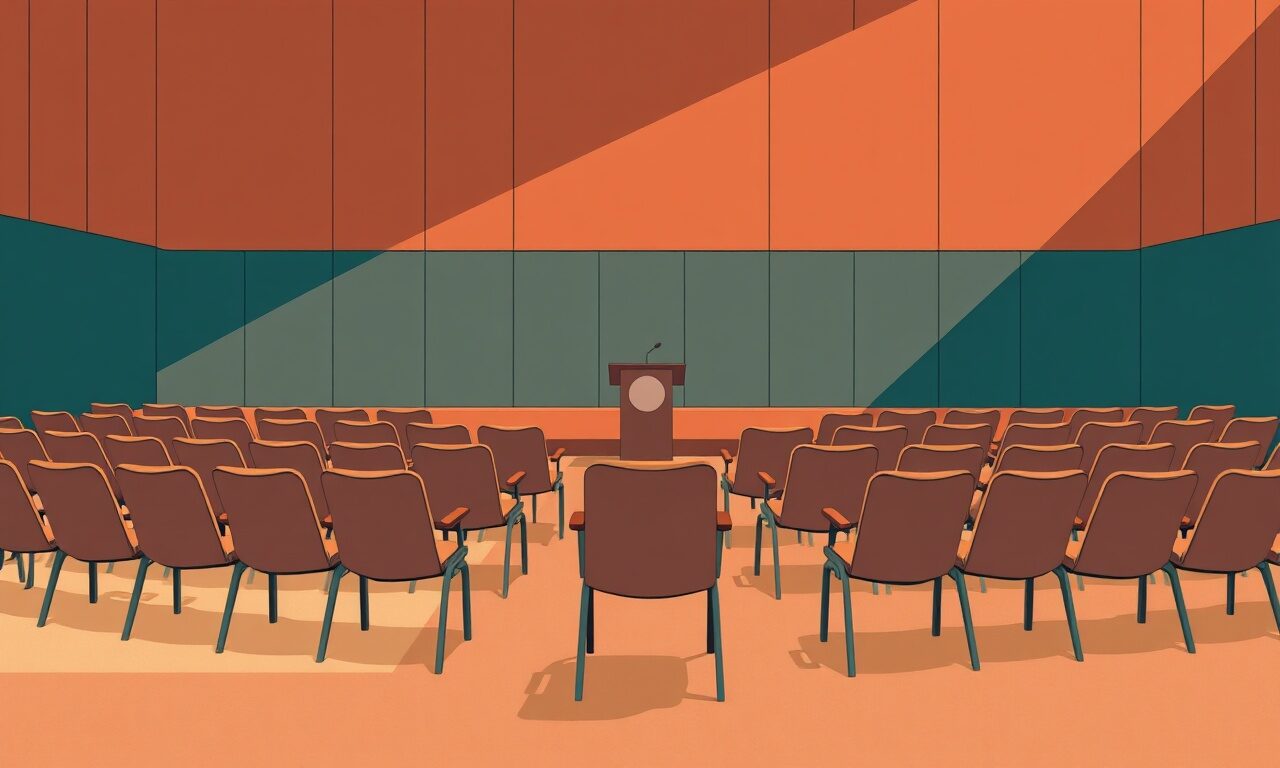
The question is never really what to charge. It is whether to charge at all, and the argument against always sounds sensible: make it free, get more people in, sell them something at the end. Sometimes that is right. But a free room and a paid room are not the same room with different numbers on the door, and the difference shows up about eleven minutes in, when you can tell who is listening.
Why free rooms are harder to teach in
A free registration costs nothing to make and nothing to abandon. People sign up in the way they save a recipe they will never cook, and on the day a good portion of them do something else. The ones who do arrive are a mixture: some genuinely there for the subject, some browsing, some who forgot they had registered until the reminder appeared.
That mixture changes what you can teach. You end up pitching to the least committed person in the room, because you can feel them leaving, and the material flattens into an introduction with a pitch at the end. Everybody who wanted the advanced version quietly does not get it, and the pitch has to carry the entire economics of the session.
The honest counterweight is that a paid room is smaller. Considerably smaller, especially the first time, and if you are running a live session mainly to be seen by as many people as possible then free is the correct choice and there is no shame in it. The rest of this piece is about the other case: when the point is the teaching, and the room needs to be full of people who came to do the work.
The free room against the paid seat
Neither column is better in the abstract. They are different products with different jobs, and the mistake is running one while quietly hoping for the results of the other. Paid webinars sit on your storefront next to your downloads and bookings, which is part of why the paid version is easier to fill than a standalone event page.
| A free session with a pitch at the end | A paid seat |
|---|---|
| Large list, uneven attendance | Smaller list, most of whom turn up |
| Material pitched to the least committed person | Material pitched to the people who paid |
| Revenue depends entirely on the closing offer | Revenue exists before you start speaking |
| Questions are broad and often off-topic | Questions are specific, because the time cost them something |
| You are selling for the last fifteen minutes | You are teaching for the whole session |
| Attendees you cannot easily follow up | Buyers who land in your customer list automatically |
Arriving at the number
Do this in order. The order matters, because starting from the runtime is how people talk themselves into charging by the hour like a plumber. None of it depends on which plan you are on, though the paid plans add the analytics that tell you how the first one went.
Setting the price
0/7A worked example
Take a bookkeeper who runs a two-hour session on preparing for the end of the tax year. Free, it might attract a large registration list, perhaps a third of whom attend, and it earns whatever the closing offer earns. At £25 a seat with thirty seats, it earns something before the day arrives, and the people in the room have brought their actual questions with them.
Now change one thing. Cap it at twelve, charge £60, and promise that every attendee gets their own situation looked at during the session. Fewer tickets, more money, and a considerably better two hours for everyone present. None of these figures are a forecast, and a first session usually sells fewer seats than you hoped; the point is the shape. The smaller, more expensive room is often the easier sale, because it is the only version where the promise is specific. Each buyer also lands in your customer list with their lifetime value attached, which makes the second event much easier to fill than the first.
Put your first paid session on a page that already shows your other work, and keep the whole ticket price.
Sell your first seatThe mistake most people make
They price by the clock. Ninety minutes, so somewhere around a third of a day rate, which is how you end up charging £15 for something that saves a person a fortnight of confusion. Nobody buying a seat is thinking about your hourly rate; they are thinking about the thing they will be able to do afterwards, and about whether they will get to ask their specific question. Price both of those. The related error is running the same session again and again at the same price to the same audience: if it works, the second running should either cost more, hold fewer people, or turn into something recorded and evergreen, and for that last option hosted video on Pro is where a replay belongs rather than an unlisted link. You can see how those pieces fit together on the features page.
Run it. A room of three that paid is a better hour than a room of forty who did not, and those three become the people who tell others about the next one. It is also the cheapest possible test of both the topic and the price.
Decide before you sell, and say so on the page. A promised recording lowers attendance because people intend to catch up later, so it suits lecture-shaped sessions and works against workshops. If you want the recording to become its own product afterwards, hosted course video on Pro is where it can live properly.
Often, yes. A seat plus the workbook, or a seat plus a follow-up call, is a bundle, and bundles are one of the ten product types on the same page. It also gives you a second price point without inventing a second event.
Two to three weeks for most audiences. Longer and the urgency drains away, shorter and the people who would have come cannot rearrange their day. If you have a Pro plan, a countdown on the page does the last-week reminding for you.
A seat is not an hour of your time, it is a place in a room you have designed. Decide who is in that room and what they leave with, and the price stops being a guess. Then run it once, badly, to nine people, and you will know more about what it is worth than any amount of further thinking would have told you.
Start free, list a date, and find out what a paid room does to the questions people bring you.
Set up your storeTurn your knowledge into income
Launch your Store.Fan in minutes — sell digital products, courses, and calls straight from your bio. Free to start.