Welcome Sequence 101: Turn New Followers Into First-Time Buyers
The first three emails after someone joins your list quietly decide whether they ever buy from you.
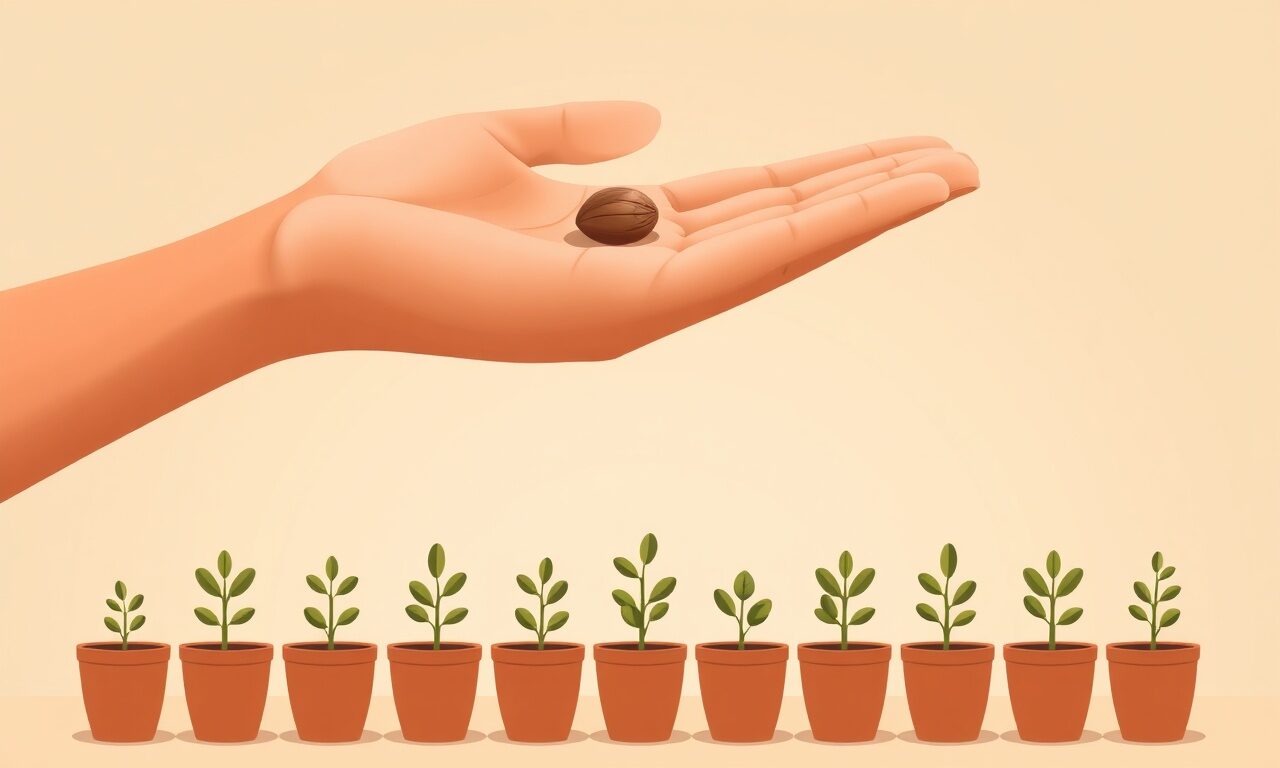
Someone just traded their email address for your free checklist, template, or mini-guide. Right now, in the ninety seconds after they hit download, they are more curious about you than they will ever be again. Most creators waste that window — they deliver the file and go silent for two weeks, then wonder why a broadcast email to "warm" subscribers gets ignored. The truth is those subscribers went cold the moment you stopped talking to them. A welcome sequence is the fix: three to five emails, sent automatically over the first week, that turn a stranger who wanted a freebie into someone who trusts you enough to pay. This is the highest-leverage writing you'll do all year, and it only has to be written once.
Why the first 7 days matter more than the next 7 months
Email engagement decays fast. A subscriber who joins today is dramatically more likely to open, click, and buy in the first week than at any point afterward — curiosity is at its peak, they still remember why they signed up, and your name hasn't blended into the noise of their inbox yet. Every day you wait to follow up is a day that curiosity cools. This is why a single delayed "thanks for downloading" email, sent whenever you happen to remember, will never outperform a sequence that's already running before they've closed the download tab.
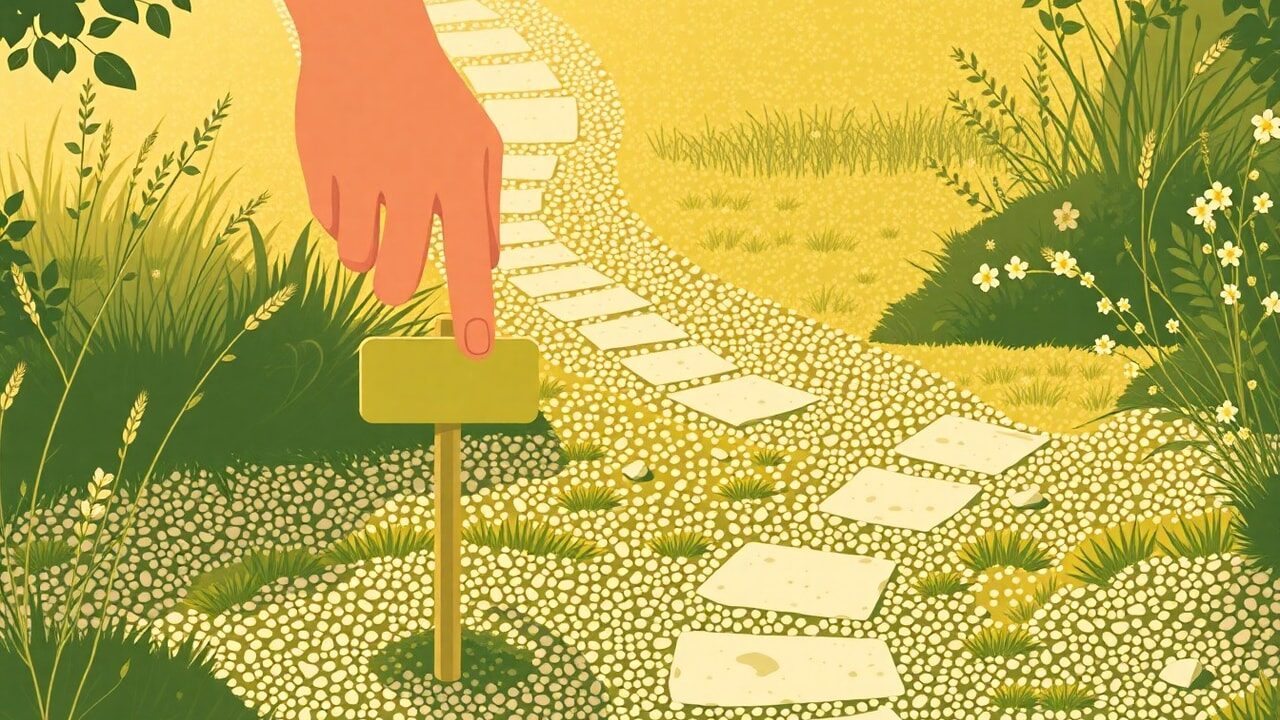
The path: free download to first purchase
Think of the welcome sequence as a bridge with four planks, not four separate emails competing for attention. Each one has exactly one job.
- 1Deliver + set the tone (sent instantly). Confirm the download landed, and give them one quick win they can act on today — not a wall of links.
- 2Tell your story (day 1-2). Why you built this, the problem you personally had, and why it qualifies you to help. This is where strangers start becoming fans.
- 3Prove it works (day 3-4). A result, a transformation, a specific before/after — theirs or a customer's. This is the credibility plank.
- 4Make the offer (day 5-7). Introduce your paid product as the natural next step after the free one, with a clear reason to act now.
Notice what's missing: a hard pitch in email one. Nobody has decided to trust you yet, and asking for money before you've delivered value twice is the single fastest way to get marked as spam. The offer email converts because three emails earned it, not despite skipping them.
Email 1: The delivery email that isn't just delivery
Because delivery on store.fan is instant and automatic, your buyer already has the file on-screen and in their inbox before this email even needs to exist — which frees email one from being a boring receipt. Use it instead to set expectations: tell them what's coming ("I'll send you three more emails this week"), and give them a two-minute action tied to the download itself. If your lead magnet is a Notion template, tell them the one tab to open first. If it's a checklist, tell them which single item to knock out today. People who take a small action on your free product in the first 48 hours are dramatically more likely to open your next email — and eventually buy the paid one.
Email 2-3: The story and the proof
This is the part creators skip because it feels indulgent, and it's the part that actually builds the relationship. Tell them why you made this thing. Were you stuck where they are six months ago? Did you lose money, waste a weekend, get burned by a bad course before figuring out your own version? Specificity is what makes this land — "I used to spend four hours every Sunday planning content until I built this system" beats "I'm passionate about helping creators" every time.
Follow the origin story with proof, ideally from someone else. A single sentence from a customer ("I used the template and had my first sale in nine days") does more work than three paragraphs of your own claims. If you're early and don't have customer quotes yet, use your own concrete result instead — a number, a timeframe, a before/after. Vague enthusiasm doesn't convert; specific outcomes do.
People don't buy the product in email four. They buy the trust you built in emails one through three.— store.fan team
Email 4: The offer, framed as the obvious next step
By now they've gotten value for free twice and heard proof it works once. The offer email should feel less like a pitch and more like a natural continuation: "You've got the checklist — here's the full course that walks you through every step on it." Link straight to the product page on your store.fan storefront so the path from click to purchase is one step, with Apple Pay, Google Pay, or a card ready to go. Give one clear reason to act this week rather than someday — a bonus for early buyers, a limited number of seats for a coaching cohort, or simply naming the cost of waiting ("every week you delay planning is a week you're improvising"). If you use discount codes, this is one of the few places they genuinely earn their keep: a time-limited welcome discount rewards people for buying while their interest is still hot, instead of training your whole list to wait for a sale.
Building it without overcomplicating it
You don't need marketing automation software to run this well. Write the four emails once, in a simple sequence, and send them as scheduled broadcasts or immediate follow-ups whenever someone joins your list through a free product. Keep a running customer list so you can see who has engaged and who's actually converted to a paid buyer — that visibility is what tells you whether the sequence is working or just going out into the void.
- Keep each email under 200 words — welcome sequences are read on phones, between other things
- One link per email, always pointing at one page — never split attention between the free product, the paid product, and your social links in the same message
- Write all four emails before you launch the lead magnet, not after — a sequence you build 'later' usually never gets built
- Reread the offer email a week after sending — if it reads like a stranger's ad, rewrite it to sound like the previous three
The subscribers who don't buy are not a failure
Most people who download your free product will not buy in week one, and that's fine — the sequence isn't meant to convert everyone, it's meant to convert the ready ones now and keep the rest warm for later. Anyone who opens all four emails but doesn't purchase is a strong candidate for your next broadcast campaign, your next launch announcement, or a future lead magnet further down the value ladder. The welcome sequence's real job is triage: it turns a flat list of downloads into a sorted one — buyers, warm leads, and cold contacts — so every email you send after it is aimed at the right people instead of everyone at once.
Turn your knowledge into income
Launch your Store.Fan in minutes — sell digital products, courses, and calls straight from your bio. Free to start.