Updating a lesson after the course has already sold to students
Your material dates and your students do not want a version two purchase. How to replace a lesson so everyone who already bought gets the new one.

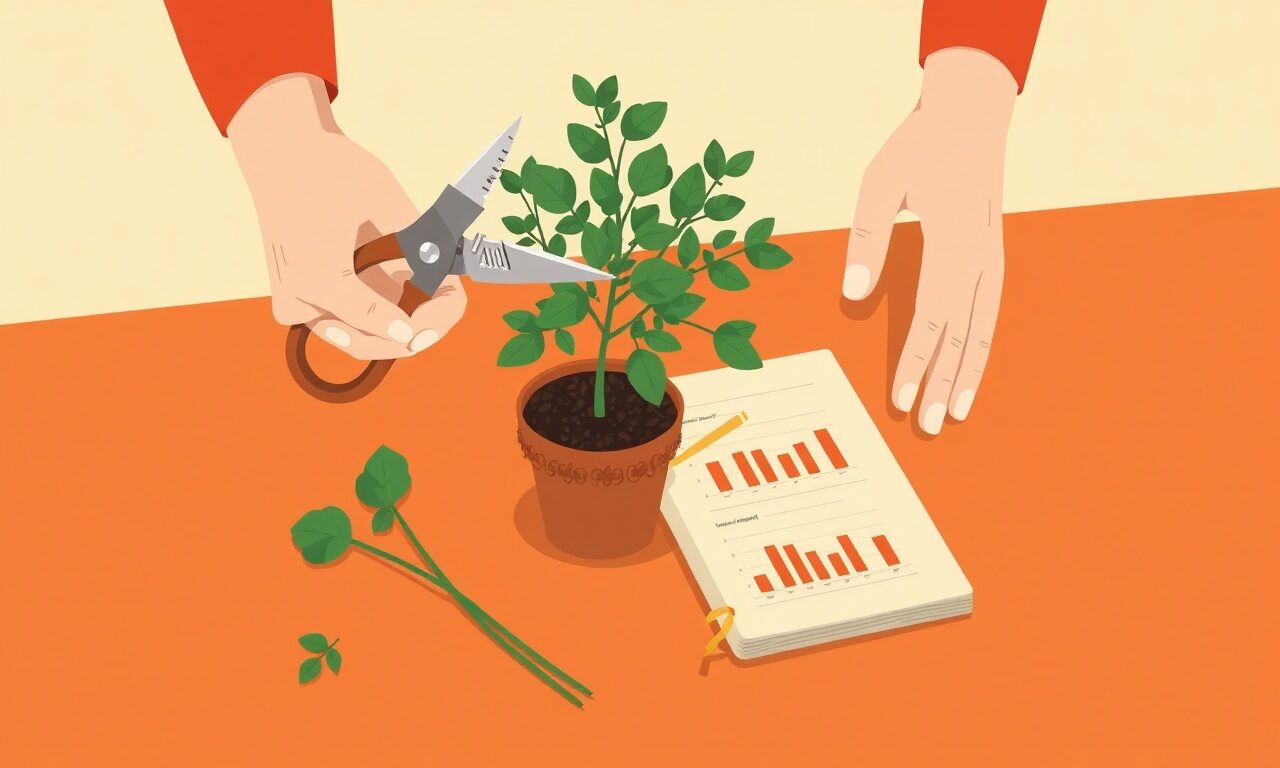
The email is always polite. "Loving the course — quick thing, the menu in lesson four looks different on my screen." They are right. The tool you demonstrated moved its buttons in an update three weeks ago, your recording is now slightly wrong, and eighty-odd people own a course containing it. This is not a failure. It is what happens to every course that teaches anything current, and the only real question is how much work it takes you to fix.
Everything current goes out of date
If you teach software, platforms, regulations, prices or anything with a version number, part of your course starts decaying the day you record it. The interface changes, the rate changes, the recommended setting changes. This is unavoidable and it is not a sign you built the course badly. What it does mean is that maintenance is part of the product, not an interruption to it.
The genuinely awkward part is the ethics of the old sale. Somebody paid for a course in March. In August a third of one module is out of date. They did not buy a snapshot of March; they bought the thing you promised the course would do for them. Selling them a corrected edition feels wrong to most people, which is why so many creators quietly avoid updating at all and let the course drift instead.
The third difficulty is scale. Updating one lesson for eighty people, by hand, through email, is a horrible job — finding the addresses, attaching the file, explaining which one replaces which. Avoiding that job is a completely rational reason to leave a course stale, and it is the reason the delivery mechanism matters more than it first appears.
Two ways to handle an outdated lesson
The left column is the traditional route and the reason updating feels expensive. The right is what changes when buyers hold a page rather than an attachment.
| Issuing a version two | Replacing the lesson on store.fan |
|---|---|
| Past buyers own the old edition unless you do something about it | Everyone who already bought sees the new lesson |
| Either they pay again or you gift it awkwardly | Nobody pays twice and there is nothing to gift |
| You need every buyer's email and a sending tool | The product is the distribution — the page they return to updates itself |
| Two products on your storefront that compete | One product, quietly better than it was last month |
| Support messages about which file is current | There is only ever one current file |
| Updating feels like a launch, so it rarely happens | Updating is an upload, so it happens |
How to run an update properly
Twenty minutes, most of it decisions rather than clicking. The order matters, particularly the first two steps.
- 1Decide which kind of update this is. A correction fixes something now wrong; an addition gives students something extra. Corrections should be quiet and quick; additions are worth telling people about.
- 2Archive the current file somewhere of your own before you touch anything. Once it is replaced, the old version is no longer what your buyers see, and you may want it for reference.
- 3Re-record only the part that is wrong if you can. A three-minute replacement lesson titled precisely is more useful to a student than a re-shot twenty-minute module.
- 4Export it to match the rest of the course — same resolution, same audio level, same naming scheme — so the new lesson does not stand out from its neighbours.
- 5Open the course product in the dashboard and replace the file on that lesson. Existing students see the new version on their private order page without doing anything.
- 6Update the lesson title or description if the content moved, and add a short dated note such as "updated August 2026" so returning students know which parts are fresh.
- 7Tell people, if it is worth telling. Pro includes AI email marketing with 5,000 emails a month; on Free and Starter you can export your customer list as CSV and send from wherever you already write.
What this looks like across a year
A spreadsheet course with nine lessons, selling steadily since spring. In July the application redesigns its ribbon and two lessons show menus that no longer exist. Rather than re-filming the course, the creator records two replacement lessons of four and six minutes, exports them to match, and swaps the files on a Sunday afternoon. Total effort: one afternoon.
The people who bought in March open their order page and find current lessons. Nobody is asked for more money, and the product page now says "updated July 2026", which is a genuinely useful line for someone deciding whether the course is maintained. Whether that line sells more copies is not something anyone can promise. What is certain is that the alternative — a course with two visibly wrong lessons and a growing pile of polite emails — costs more than an afternoon.
Put your course somewhere updates reach every buyer automatically — the free plan is enough to start.
Create your storeThe mistake most people make
They wait for a big enough reason. The plan is always to gather up several fixes and do a proper refresh in the autumn, and the autumn arrives with the course three versions behind and the refresh now a fortnight of work. Small updates as you notice things are what keep a course alive, and each one is an upload rather than an event.
The other mistake is silence. Updating quietly is right for typos, but for anything a student would want to know about, one short message does two jobs: it helps the people who bought, and it reminds them their order page exists at all. Most "where is my course" messages come from people who never knew there was a page to return to.
Yes. Replacing the file on the product updates it for everyone who already bought, because they return to a private order page rather than holding a copy you emailed once.
You can, and many people do when a course has grown substantially. Existing buyers keep their access; the new price applies to new buyers. Be able to point at what changed if you do it.
A dated note in the lesson description covers returning students. For anything significant, email the buyers — AI email marketing is on Pro, and CSV export of your customer list is on every plan including Free.
Then it is a rebuild, and that is a fair moment to launch a new product. Consider what you owe the people who bought recently, and say clearly which course is which on your storefront.
A course is not a book you finish; it is something you keep in service. Once the update is one upload rather than eighty emails, keeping it current stops being a chore you postpone. You can see how the delivery side works across the ten product types on the features page, and the plan differences are on pricing.
0% platform fee, payouts straight into your own Stripe account, and buyers who always see your current version.
Get started freeTurn your knowledge into income
Launch your Store.Fan in minutes — sell digital products, courses, and calls straight from your bio. Free to start.