Your Top 10%: How to Spot and Reward Your Highest-Spending Customers by Hand
A handful of repeat buyers often account for most of your revenue — here's how to find them and keep them close.
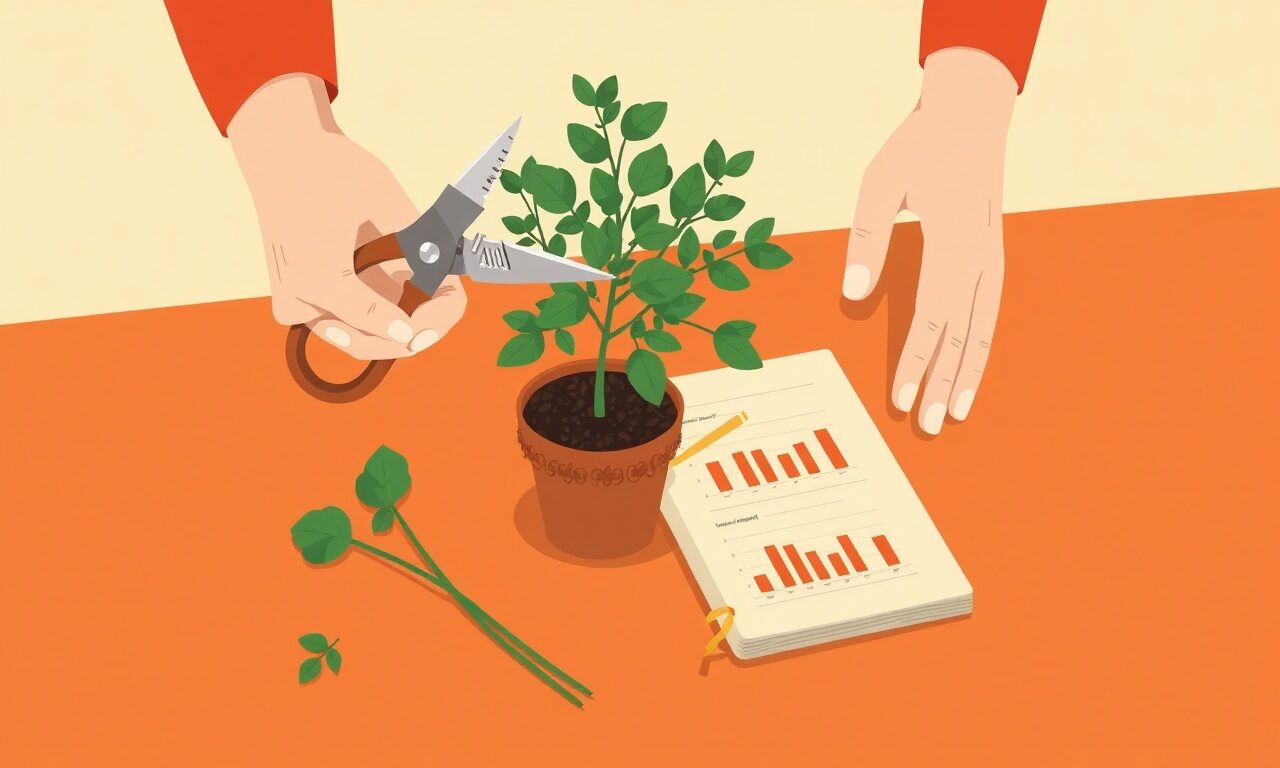
Open your order history right now and scroll to the bottom. Somewhere in that list, buried between one-time buyers and refund requests, are three or four names that show up again. And again. They bought your first ebook in March, your template pack in April, and your mini-course last week. Nobody flagged them for you. No dashboard pinged you. They're just sitting there, quietly worth more than the other ninety-something percent of your customer list combined — and most creators never notice, because nobody's asking them to look.
Why this handful of people matters more than your follower count
Every creator obsesses over top-of-funnel numbers: followers, link clicks, launch-day traffic. Almost none of them spend twenty minutes a month looking at who's already paying them repeatedly. That's backwards. A new follower is a stranger you have to convince from zero. A repeat buyer has already crossed every trust threshold — they know your product delivers, they know checkout is painless, and they've already decided you're worth their money more than once. Selling to them again is dramatically easier than selling to someone new, and yet most creators direct all their energy at the harder problem.
This is the same idea behind the classic 80/20 rule applied to a creator storefront: a small core of buyers tends to generate an outsized share of total revenue. You don't need a spreadsheet full of cohort charts to see it — you need to actually read your customer list and orders the way you'd read a group chat, looking for the names that keep coming up. If your list is scattered across platforms right now, open your store.fan and let one link start collecting that history in a single place.
The manual LTV scan: a 20-minute exercise, not a dashboard project
"Lifetime value" sounds like something that requires a business intelligence tool. It doesn't. For a store with a few hundred orders, you can do this by hand, and honestly, doing it by hand forces you to actually read the names and notice patterns a chart would flatten out. Here's the process.
- 1Export or open your full order history in the dashboard and sort by customer email or name so repeat purchases sit next to each other
- 2Scroll through once, just tallying: put a mental (or literal) tick next to any email that appears two or more times
- 3For each repeat name, jot down two numbers — total number of orders, and total amount spent across all of them
- 4Separately, scan for single big-cart buyers: someone who bought your $9 template plus your $49 course plus a coaching call in one sitting counts even if it was a single order
- 5Rank your shortlist by total spend, not by order count — three small purchases can add up to less than one big one
- 6Stop once you've got 10-20 names, or roughly the top 5-10% of your total customer count, whichever is smaller
What actually counts as a 'top' customer
Don't just chase the single biggest transaction — a person who bought one $199 course once and never came back is worth noting, but a person who's bought four smaller things across six months has told you something more valuable: they keep choosing you. Both patterns deserve attention, but they call for different responses. Use this quick reference to sort what you're seeing.
| Signal | What it means | How to treat them |
|---|---|---|
| 3+ separate purchases | High trust, likely to buy again | Early access to new drops, first look at launches |
| One large multi-item cart | High intent, high budget, one-time trigger | Personal thank-you, invite to reply with feedback |
| Bought every new product launch | Your true superfans | Direct line to you — priority replies, private perks |
| High spend but only free lead magnets convert them slowly | Warming up, not yet loyal | Nurture, don't over-reward yet |
| Refunded once but rebought later | Forgave a bad experience — rare and valuable | A genuine note acknowledging it, not just a discount |
That last row matters more than it looks. A customer who had a rough first experience but came back anyway is telling you they believe in what you're building. That's worth a real reply from your built-in inbox, not a generic auto-response — and if you're ever unsure how to handle a tricky refund-then-rebuy situation, it's worth a quick message to contact support before you decide how to respond.
Turning the list into action: VIP perks that don't require a loyalty program
You don't need a membership tier or a points system to make top spenders feel seen (though a membership product is a great next step once you've validated the pattern). The fastest wins are almost embarrassingly simple, and they cost you nothing but a few minutes of attention.
Five ways to reward your top 10% this week
0/5A discount code blasted to everyone trains people to wait for sales. The same code sent privately to ten people who already trust you reads as recognition, not marketing.
This is where discount codes earn their keep as a relationship tool rather than a blunt acquisition lever. A code that only your top spenders know about doesn't cheapen your pricing for everyone else — it just says thank you to the people who already proved they'll pay full price.
Make it a monthly habit, not a one-time scan
The first time you do this exercise, it'll feel like a small research project. By the third month, it's a 15-minute Sunday ritual: open the order list, see who's moved up, see who's gone quiet. A customer who bought twice in your first scan but hasn't shown up since is a signal too — maybe they need a nudge, a new product that fits what they bought before, or just a check-in email asking how the last purchase worked out for them.
If you're running broadcast emails for launches already, add a second, smaller list to your routine: your repeat-buyer shortlist. Segmenting even this crudely — everyone vs. your proven top spenders — changes what you say and how personal it feels, without needing any complicated tooling. Curious how other creators structure this kind of outreach? More guides on the blog dig into email segmentation and launch sequencing in more depth.
Why this matters more once you're actually running a real store
None of this works if you don't have a central place where every purchase, repeat or not, actually lands somewhere you can see it. That's the whole case for consolidating sales into one storefront instead of scattering links across five platforms: when everything funnels through one link, your order history becomes a genuine record of who your real customers are, not just guesses based on comment activity or DMs. If you haven't consolidated yet, start free and pull your first month of orders into one place — you'll be surprised how fast a pattern shows up even with a small list. Check out a live example store to see what a fuller storefront with real products looks like in practice.
And if you're wondering whether this is worth the manual effort versus waiting for fancier reporting tools, remember: the creators compounding their income aren't the ones with the best dashboards. They're the ones who actually read their own order history and act on what it tells them. That's a habit, not a feature — but store.fan gives you the raw material to build it on, from the customer list to the inbox to discount codes, all without needing a separate CRM.
Ready to see your own repeat buyers clearly instead of guessing who they are?
Start freeNo — even with 20-30 total orders you'll usually spot two or three repeat names. The earlier you build the habit, the more natural it feels once your volume grows. Check the FAQ if you're unsure how order history is organized in your dashboard.
Treat them differently. The big single-purchase buyer responds well to a personal thank-you and an invite to share feedback. The repeat buyer responds well to early access and recognition of their pattern — they want to feel like an insider, not just a wallet.
For most creators, no formal program is needed. A code, early access, or a genuine note covers 90% of the value. Once you have a large, proven repeat-buyer base, a paid Pro plan membership tier is a natural next step, but don't build infrastructure before you've validated the pattern by hand.
Look at the full picture, not just that one event. If they came back and bought again after a refund, that's a strong loyalty signal, not a red flag — a short personal note acknowledging their patience tends to land better than a discount.
Use store.fan's built-in inbox or a small manual email to reply directly and personally rather than a broadcast campaign. Reference what they specifically bought — it takes ten extra seconds and is the difference between a form letter and something that feels like it came from a real person.
Turn your knowledge into income
Launch your Store.Fan in minutes — sell digital products, courses, and calls straight from your bio. Free to start.