Rebrand Without the Rebuild: Overhauling Your Store Designer Theme Without Losing Momentum
Changing your niche or your look doesn't mean starting your storefront from zero - here's the safe way to overhaul it.
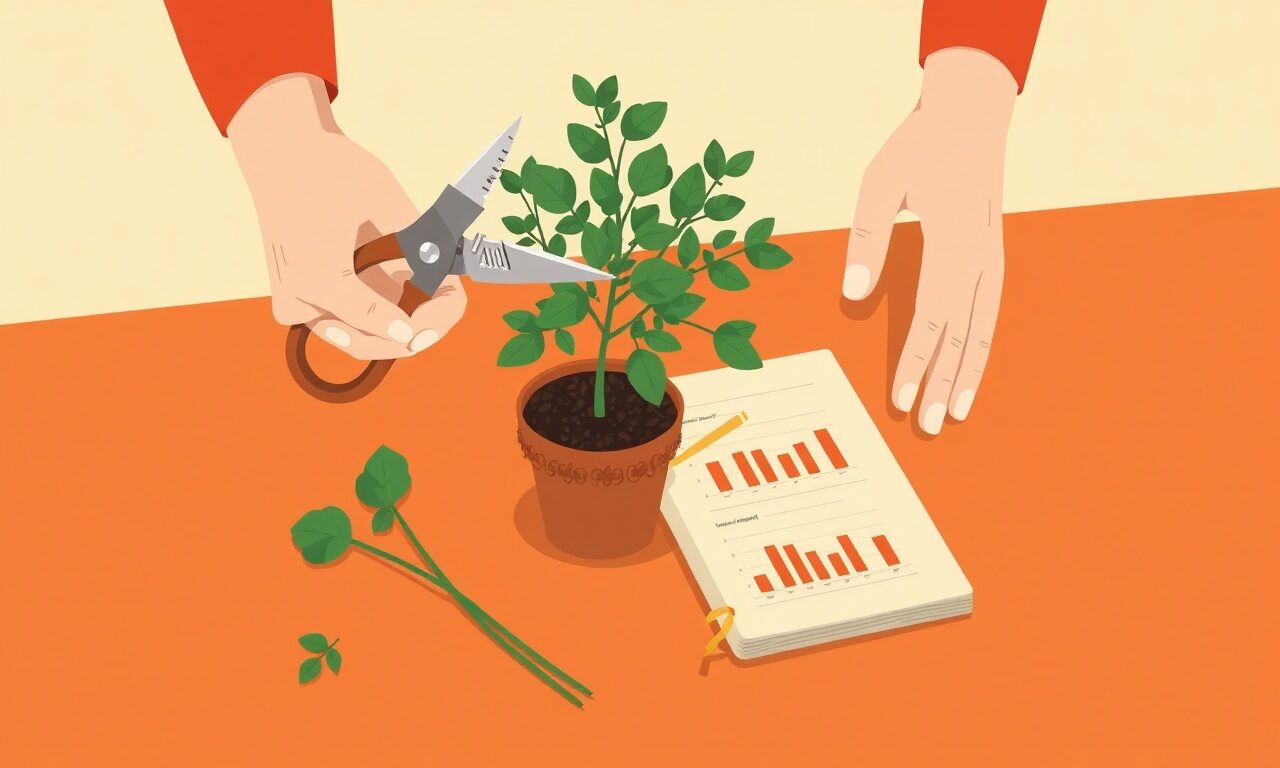
A rebrand is a nerve-wracking thing to run on a storefront that's actually making money. You've got a niche pivot, a new visual direction, maybe a new name entirely — and a live page with real customers, real reviews sitting in your inbox, and real search traffic pointed at your current URL. The instinct is to treat it like a demolition: wipe the store, start a fresh theme, rebuild everything from a blank canvas so the old version doesn't bleed through. That instinct is wrong, and it's the reason most creator rebrands either stall out half-finished or quietly tank a month of sales. A theme overhaul is a migration, not a demolition — there's a sequence that changes your look completely while keeping every dollar-producing element (your product links, your delivery emails, your customer list, your checkout) exactly where it was.
What actually needs to change (and what absolutely shouldn't)
Before touching the store designer, make two lists. List one is everything visual and voice-related: cover photo, avatar, color palette, fonts if your theme supports them, block layout, bio copy, and the general tone of your product titles. All of that is fair game and should change to match your new direction. List two is everything transactional: your store.fan/username link, your product delivery setup, your Stripe or PayPal connection, your existing discount codes, and your customer list. None of that should move. The mistake creators make is conflating the two — deleting products to "start clean" and rebuilding them from scratch, which quietly resets review counts, breaks any external links you've shared pointing at a specific product page, and re-triggers delivery testing you already solved months ago. A rebrand touches the wrapper. It doesn't need to touch the engine.
| Element | Change it? | Why |
|---|---|---|
| Cover photo & avatar | Yes | This is the first visual signal of your new direction — it should change completely |
| Theme colors & block layout | Yes | Carries your new palette and structure without touching what's underneath |
| Product titles & descriptions | Usually, lightly | Update tone and framing, but keep pricing and delivery mechanics identical |
| store.fan/username link | No | This is what's already in every bio, QR code, and old post — changing it breaks all of it |
| Customer list & past orders | No | This is your existing revenue history and re-marketing list — never wipe it for a fresh start |
| Payment connection (Stripe/PayPal) | No | Reconnecting resets nothing you want reset and risks a payout gap during the transition |
The build order: cover first, copy last
The order you rebuild in matters more than people expect, because each layer gives you something to react to for the next one. Start with the cover photo and avatar in the store designer — these are the biggest visual surface on your page and the fastest way to see whether your new direction actually looks right at storefront scale versus how it looked in a mockup. A color or image that reads great on a moodboard can feel completely wrong once it's sitting behind your real product blocks. Once the cover is locked, move to your theme's color settings and block arrangement — reorder or swap content blocks so the new visual hierarchy matches what you actually want people clicking first. Only after the visual skeleton is settled should you touch copy: headline, bio line, and product titles. Writing new copy against an old-looking page is how you end up rewriting it twice.
- 1Cover photo & avatar: Swap these first in the store designer — they set the visual tone everything else has to match.
- 2Theme colors & block order: Adjust palette and rearrange content blocks so the new hierarchy is obvious at a glance.
- 3Product titles & framing: Update naming and descriptions to match your new voice, keeping prices and delivery untouched.
- 4Bio line & headline copy: Write this last, once the visual direction is locked, so the words match the page instead of the old one.
- 5Full read-through as a stranger: Open the page in a private window and read it top to bottom before telling anyone it's live.
Tell your list before the page changes under them
If you have existing customers, they've built a mental picture of your storefront — the colors, the product names, maybe a specific graphic they associate with your brand. A silent overhaul risks a moment of "did I click the wrong link?" confusion, which is a bad feeling to hand someone who's about to buy from you again. A short broadcast email a day or two before you flip the new theme live solves this in about four sentences: what's changing, why, and a reassurance that their access to anything they already purchased isn't affected. This isn't optional politeness — it's a retention move. A customer who understands the rebrand as an upgrade stays; a customer who thinks their favorite creator's store got hacked or handed off does not.
This is also the moment to lean on the parts of store.fan that exist specifically for this kind of transition. Your customer list is already sitting there from every past sale, so the broadcast tool sends the update to people who've actually bought from you — not a cold audience. If part of your rebrand includes a limited-time incentive to re-engage lapsed buyers (a discount on a new product line, for instance), a fresh discount code tied to the announcement gives people a reason to click back in during the exact window they're paying attention.
Keep your best performer's identity stable
Every established storefront has at least one product doing disproportionate work — the template pack that gets shared in Discord servers, the coaching call that converts best from a specific post. During a rebrand, resist the urge to rename that product to fit the new brand voice on day one. Update its visuals and framing to match the new theme, but keep the actual product name recognizable for at least a few weeks, especially if it's been referenced anywhere external — an old blog post, a YouTube description, a pinned tweet. If someone searches for the exact name they remember and it's vanished, you've turned a warm returning buyer into someone who has to figure out whether you're still in business. Rename gradually once the new brand has had time to settle, not in the same commit as the color palette.
Rebrand overhaul checklist
0/9The link in your bio never has to change. That's the whole advantage of building on one URL — the brand underneath it can evolve completely without anyone needing to update where they click.— store.fan team
This is different from a seasonal refresh
It's worth being clear-eyed about what this guide is and isn't. A seasonal refresh — swapping a cover photo for a holiday, nudging a color accent, updating a banner for a launch week — is a 15-minute task you can do on a whim without any of this sequencing. A rebrand is different in kind: it's a change to who you are as a creator or what you sell, and it touches every visual surface at once. If you're just freshening up for a season, you don't need a customer announcement or a build order — you need five minutes in the store designer. Save the full migration sequence for the moments that actually warrant it: a niche pivot, a name change, or a visual identity that no longer matches who you've become since you first went live.
If you haven't opened a storefront yet and you're reading this while planning your first launch rather than a pivot, the good news is you get to skip all of this sequencing entirely — create your store and build the brand right the first time instead of migrating one later. And if you want to see what a fully considered theme looks like end to end, cover photo through block layout, a live example store is a faster reference than any written description.
No. Your store.fan/username link is completely separate from your theme, colors, and layout — you can overhaul the entire visual side of your storefront and the link stays exactly the same, which means every bio, QR code, and old post pointing at it keeps working.
Generally no. Deleting and recreating products resets things you don't want reset, including any direct links you've shared to a specific product page. Update the product's title, description, and images to match your new brand instead of rebuilding it from scratch.
Budget a single focused session rather than spreading it across weeks — a half-finished rebrand where some elements are new and others are old is more confusing to visitors than either version fully intact. If you can't finish in one sitting, keep the old theme live until you can.
The store designer's core customization — cover photo, avatar, colors, and content blocks — is available to build a complete rebrand with. Check pricing for the full breakdown of what's included at each plan level.
The same build order still applies — visual layer first, copy last, customer list preserved throughout. If the niche shift is significant, lean harder on the announcement email so existing customers understand the new direction rather than discovering it cold. For anything the sequence here doesn't cover, common questions or a note to contact support will get you a direct answer.
A rebrand done this way costs you an afternoon, not a relaunch. Your link stays live, your delivery keeps firing, your customer list stays intact, and the only thing that changes is the part visitors actually see. That's the advantage of building on a platform where the storefront and the business logic underneath it are separate layers — you get to redesign one without gambling the other. For more on getting the rest of your setup right around a change like this, the blog has guides on everything from pricing to launch sequencing.
Ready to give your storefront a new look without losing a single sale in the process?
Explore Pro plansTurn your knowledge into income
Launch your Store.Fan in minutes — sell digital products, courses, and calls straight from your bio. Free to start.