Ebook, Template, and a Call: How to Build a Mixed-Format Bundle That Feels Like a Steal
The best bundles don't repeat one format — they combine three ways to learn.
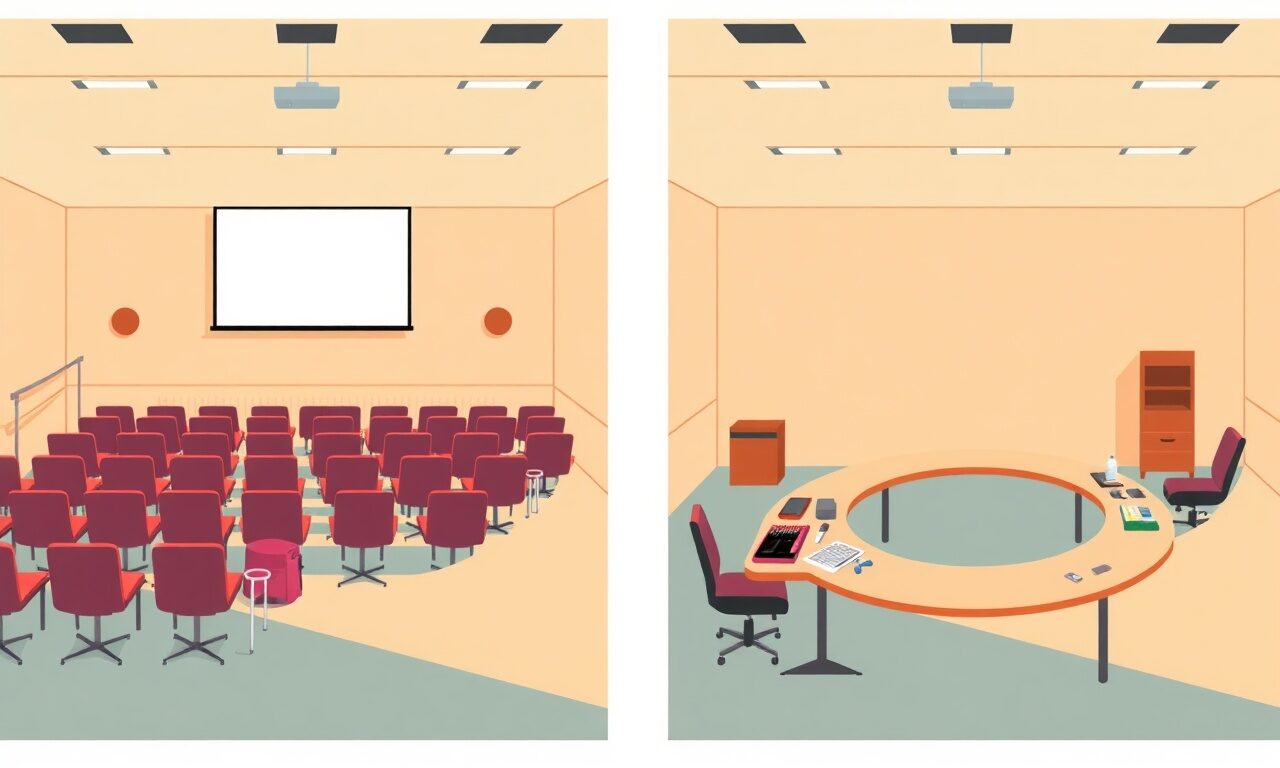
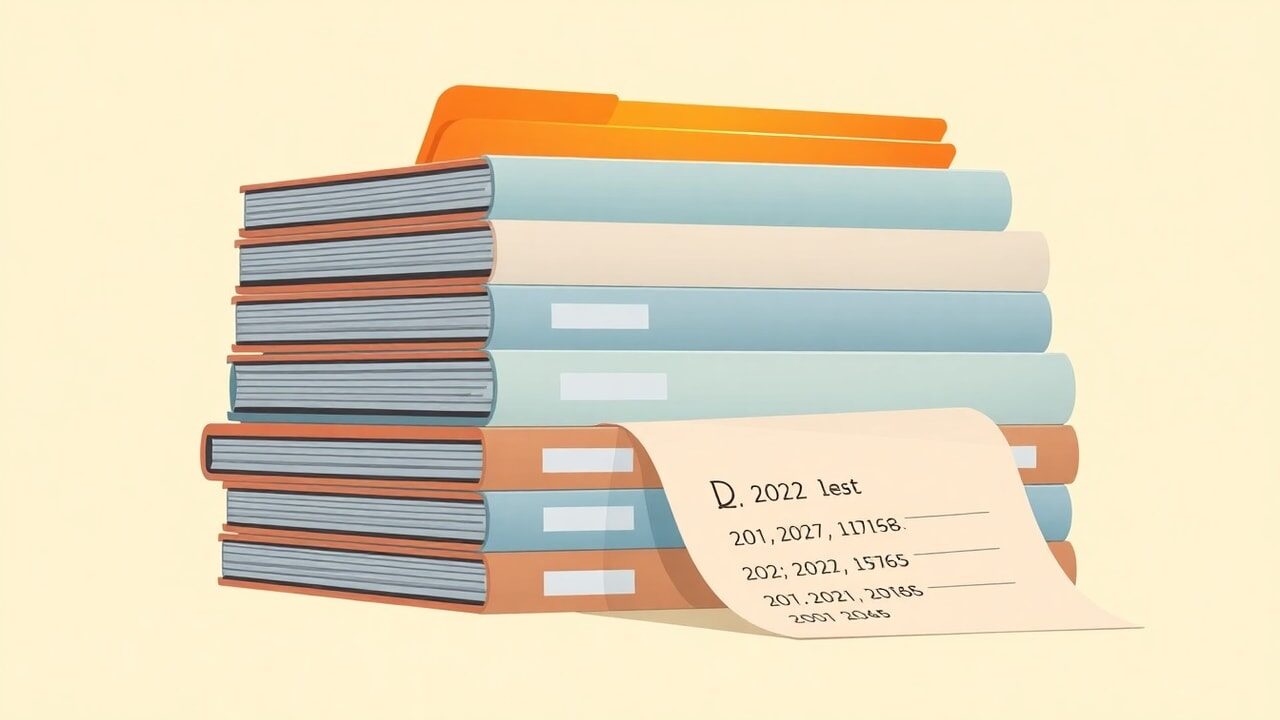
Bundle three ebooks together and you've made a longer ebook. Bundle three templates together and you've made a bigger template. Buyers can smell that math instantly, which is why same-format bundles rarely outsell the single best item inside them. The bundles that actually feel like a steal mix the format, not just the topic — one thing to read, one thing to use, and one chance to ask a real human a question. Read, use, ask. That combination covers how three different kinds of buyers actually learn, and it's the reason a $19 ebook plus a $29 template plus a 20-minute call can sell for $79 without anyone doing the subtraction and feeling shortchanged.
Why one format alone leaves money on the table
Every buyer has a default learning mode, and most creators only sell to one of them. Readers want the framework laid out in full before they commit to anything. Doers want to open a file and start filling in blanks immediately, no theory required. Talkers don't fully trust a product until they can ask "but what about my specific situation" to a person who'll answer. If your storefront only sells ebooks, you're converting readers and quietly losing doers and talkers who bounce off the sales page thinking this looks good but I'm not sure it applies to me. A mixed-format bundle removes that objection by giving each buyer type its own entry point into the same outcome, then stacking all three so the person who came for the template also gets nudged into the reading and the reassurance call they didn't know they needed.
The three pieces and the job each one does
| Piece | Buyer question it answers | Why it belongs in the bundle |
|---|---|---|
| Ebook / guide | "What's the actual plan here?" | Gives context and credibility — it's the why behind the template and the reason the call is worth booking |
| Template | "Can I just start today?" | Turns the ebook's ideas into something clickable in the first ten minutes after purchase |
| 1:1 call | "What if my situation is different?" | Removes the last hesitation for buyers who need personalization, and it's the piece that justifies the highest price point |
None of these pieces has to be built from scratch. Most creators already have an ebook sitting in their store or a template they built for their own workflow — the bundle is mostly a repackaging exercise, plus one new asset: a bookable call. On a live example store, you can see how a creator lays out a mixed offer on one page without it looking like three separate transactions bolted together.
Pricing the bundle so the call feels free
The anchor of a mixed-format bundle is almost always the call, because live 1:1 time is the scarcest, highest-perceived-value thing you sell. Price everything else in relation to it. If you'd normally charge $60 for a 20-minute call on its own, and your ebook and template are $19 and $25 respectively, don't price the bundle at $104 (the sum). Price it at $79-$89 and frame the math explicitly on the sales page: "Buy the ebook and template together and the call is basically free." That framing does more conversion work than the discount itself — buyers aren't comparing $79 to some abstract fair value, they're comparing it to $60-for-a-call-alone and feeling like the reading material showed up as a bonus.
Protecting your calendar without killing the offer
The call is the part that doesn't scale infinitely, so design it to survive demand you can't predict. A few guardrails that work well in practice:
Before you launch the bundle
0/5The template gets someone started today. The ebook gets them thinking correctly. The call is what makes them trust that the first two will actually work for their situation.— a creator describing why the bundle outsold each piece sold solo
Delivering all three like one seamless purchase
The fastest way to make a mixed-format bundle feel cheap instead of premium is a clunky handoff — buyer pays, then has to hunt for a booking link in a separate email, or DMs you asking where the template is. On store.fan, a bundle checkout delivers the ebook and template as an instant secure download link on-screen and by email, and the call slot is handled the same automated way, so the buyer never has to wonder if anything got missed. That single, instant delivery moment is a big part of why bundles convert better than the same three items sold piecemeal — the experience of buying feels premium even when the price is a steal. If you haven't put a bundle like this together yet, it takes less time to build the sales page than it does to record one new video, and you can create your store and have it live before your next post goes out.
Where the bundle should live on your page
Put the mixed-format bundle above your individual products, not below them. Buyers who land on a page full of separate line items tend to anchor on the cheapest one and stop scrolling; buyers who see the bundle first anchor on the highest perceived value and then decide whether to downgrade. Use the store designer's content blocks to build a short comparison directly on your storefront — ebook alone, template alone, bundle — so the value gap is visible in three seconds, not something the buyer has to calculate themselves.
Start with the call as a standalone offer and write the ebook as call notes — the questions people actually ask you become the guide's table of contents. The template usually reveals itself as whatever spreadsheet or doc you keep recreating from scratch for each client.
After, ideally. Build the booking flow so the call slot opens once the ebook and template have been delivered, so the 20 minutes is spent on specifics rather than re-explaining the basics. A short prep question in your checkout can also help set expectations up front — common questions about setup like this are covered in the FAQ.
Yes, arguably more so. A creator with 500 engaged followers can sell far fewer bundles than one with 50,000 and still make solid money, because the price per bundle is high and the call adds a layer of trust that converts warm followers especially well.
Sell the call only inside the bundle, not as a separate product on your page. If someone wants 1:1 time, the bundle is the only door in — which also means every call booked comes with two extra sales already attached.
Bundling, downloads, and coaching calls work on any store.fan store; check pricing for the difference between the free plan and Pro, including 0% platform fees on paid plans.
The takeaway
A mixed-format bundle isn't a trick, it's just accurate design — most people don't learn from a single format, so stop selling like they do. Pair something to read with something to use and something to ask about, price it around the scarcest piece, and deliver it all in one clean, instant checkout. That's the whole playbook, and it works whether your audience is a few hundred people or a few hundred thousand. For more tactics like this, browse the blog, and if a question comes up while you're setting the bundle up, contact support — they've seen this exact setup before.
Build your read-use-ask bundle and start turning three small products into one offer people can't talk themselves out of.
Start freeTurn your knowledge into income
Launch your Store.Fan in minutes — sell digital products, courses, and calls straight from your bio. Free to start.