Leak-Proof Codes: Using Expiration Dates and Redemption Limits So Your Discount Doesn't Go Viral for the Wrong Reason
A promo code posted to a public coupon site can quietly drain your margins for months — here's how to lock it down.
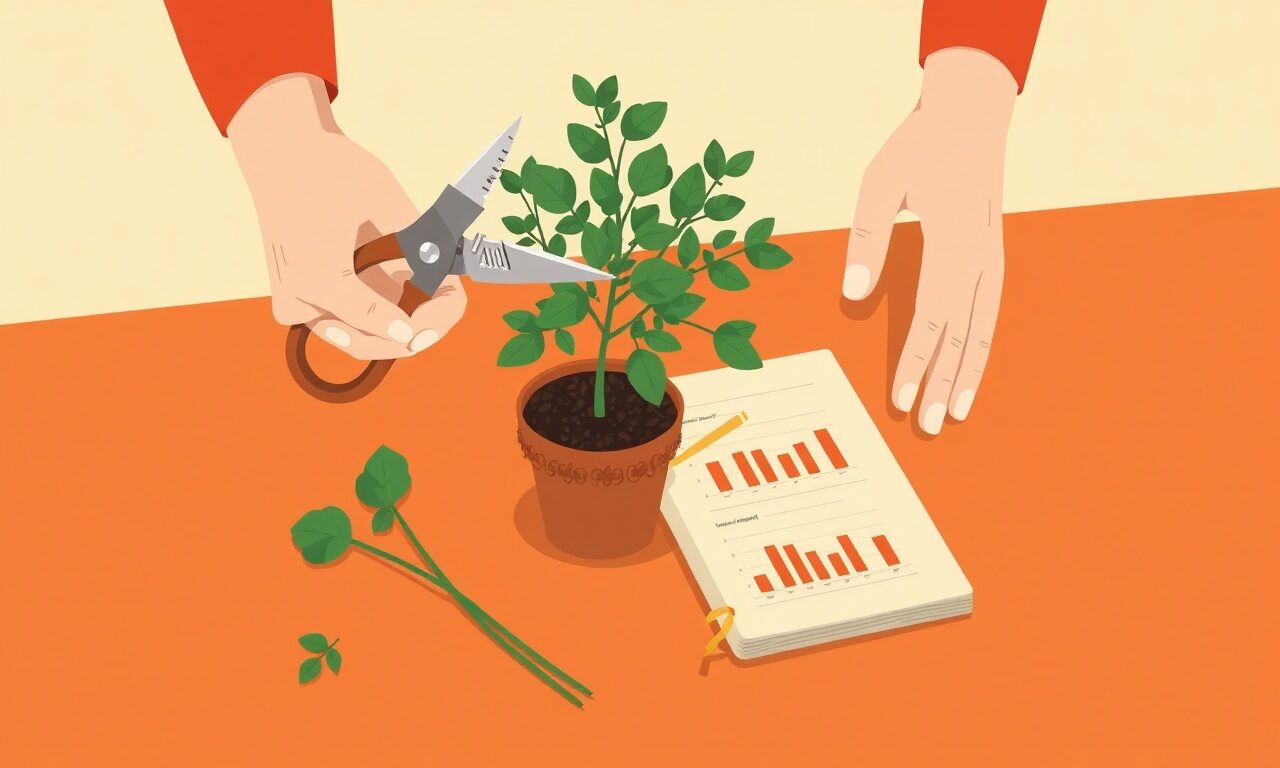
You give one loyal follower a 20% code as a thank-you. Three weeks later it's sitting on a public coupon-aggregator site with 400 redemptions attached, half from accounts that have never once liked a post of yours. This isn't a hypothetical — it's the single most common way small discounts turn into large, silent losses. A code doesn't have to be hacked or stolen to leak. It just has to work, be shareable in three keystrokes, and have no ceiling on how many times it can be used. The fix isn't to discount less — discounts genuinely move product. The fix is to build every code like a leaky pipe you've already planned for: capped, named, and killed on schedule, so a generous gesture never quietly turns into a margin problem you don't notice until the payout report.
Why a healthy-looking code can still be a leak
A discount code leaking doesn't look like a crisis. It looks like a sales dashboard that's technically fine — revenue is coming in, orders are landing — except your average order value is quietly lower than it should be, and you can't immediately tell why. The reason is almost always the same: a code built for one context (a single email blast, one shout-out, one VIP thank-you) got shared outside that context and kept working. Someone screenshots your story. Someone posts it in a deals subreddit. Someone puts it in a browser-extension coupon database that auto-applies codes for shoppers who've never heard of you. None of that requires malice — codes are strings of text, and text travels. The only thing standing between a healthy promo and a slow leak is whether you built in a stopping point before you hit publish.
The two real levers: usage caps and the manual kill switch
On store.fan, every discount code has two controls worth treating as load-bearing: a usage limit and an active/inactive toggle. The usage limit is the hard ceiling — set it to 50 and the 51st person to try that code at checkout simply can't redeem it, no matter where they found it. The toggle is your manual override — flip a code to inactive and it stops working immediately, everywhere, even mid-checkout. Together those two settings do the job a calendar-based expiration would otherwise do, and in one respect they do it better: a usage cap protects you even if you forget to check on the code at all, because the ceiling is baked in from the moment you create it.
The catch worth being upfront about: store.fan doesn't auto-expire a code by a calendar date. There's no field that says "kill this on July 12th" and walks away on its own. That means the deadline for any time-boxed promotion — a 48-hour flash sale, a launch-week code, a birthday discount — lives in your process, not the software. The moment your sale ends, flip the toggle off yourself. Treat that as the last step of the campaign, not optional cleanup, and put it on the same calendar reminder you use for the sale's start.
| Code type | Usage limit to set | When to deactivate |
|---|---|---|
| One-off thank-you (single follower) | 1 | Immediately after they redeem it, or after 7 days unused |
| Small giveaway / shout-out reward | 5-20 | 48 hours after the shout-out goes live |
| Flash sale (48-72 hours) | Match your realistic sell-through, e.g. 100-300 | The instant the sale window closes — same day |
| Launch-week code for new followers | 50-150 | 7-10 days after launch, once momentum fades |
| Ongoing affiliate / partner code | None, or a high soft cap (500+) | Reviewed monthly, not left running forever unchecked |
| Private VIP / repeat-buyer code | 1 per person via unique codes, or a low shared cap | Renewed each quarter rather than reused indefinitely |
Build the redemption budget before you generate the code
The number you type into the usage-limit field shouldn't be a guess typed in thirty seconds before you hit publish. Work backward from your margin instead. If a $40 product nets you $30 after processing, and you're offering 25% off, each redemption costs you $10. Decide what you're actually willing to spend on this promotion — say $500 — and your usage limit falls out of the math: 50 redemptions, not "unlimited." This turns a discount from an open-ended liability into a fixed, budgeted marketing cost. It also gives you an honest answer when someone asks why the code stopped working: you didn't run out of generosity, you hit the number you planned for.
Before you generate any discount code
0/5Name codes so a leak is traceable, not anonymous
A generic code like SALE20 tells you nothing when redemptions spike unexpectedly. A code named for its channel — NEWSLETTER20, PODCASTAD20, VIP20 — tells you immediately where a leak started if usage jumps faster than that channel's audience could explain. When a code you gave to 200 subscribers racks up 600 redemptions in a day, the name alone tells you it escaped the newsletter. From there you have one move — deactivate it and issue a fresh, differently-named code to the group who should still have access. If a leak ever causes a checkout dispute you're unsure how to unwind, contact support directly.
A discount code is a door you're propping open with a specific number of bricks. Forget to count the bricks and the door stays open for whoever wanders by.
What to do the moment you spot a leak
- 1Deactivate the code immediately using the toggle — it stops working at checkout within seconds, even mid-purchase.
- 2Check the redemption count against who you actually gave the code to, so you know roughly how far it spread.
- 3Don't just reactivate the same code with a lower cap — the string is still floating around wherever it leaked, and it'll climb again.
- 4Create a new, differently-named code for the group who should still have access, and share it directly, not publicly.
- 5Log which channel the leak likely came from so that audience's next code gets a tighter cap or shorter window.
None of this is a reason to discount less. Discount codes, used with a real cap and a real deactivation habit, are one of the most reliable levers for turning a hesitant follower into a first-time buyer — that's precisely why they're worth protecting instead of avoiding. If you're weighing whether tighter control over discounts is worth moving off a free plan, pricing lays out which tier unlocks discount codes alongside the customer list and campaign emails that get a promo in front of the right people. And if you want to see a full storefront assembled and running, a live example store is worth a look first.
Not on a calendar-date basis right now — deactivation is manual, via the toggle. The usage limit is the control that enforces itself without you checking in, so lean on that for any code you can't monitor closely.
Start smaller than feels ambitious — 25 to 50 redemptions for a first flash sale is plenty to test demand without exposing more margin than you've budgeted for. You can always create a second code once the first sells out.
Not selectively — a code is either active or it isn't. That's why smaller, channel-specific codes beat one big shared code: if NEWSLETTER20 leaks, your VIP20 and PODCAST20 codes keep working untouched.
Yes — the discount is applied to the order total before the buyer chooses a payment method, so the reduced price carries through regardless of how they pay.
Yes, always. Unused capacity in an expired promotion is exactly what gets rediscovered weeks later on a coupon site — it's a leak waiting to happen, not a bonus you're saving for later.
Discount codes are a small feature with an outsized effect on your bottom line — good or bad, depending on whether someone's watching the ceiling. Build the habit once (cap it, name it, calendar the kill date) and it takes less time per promo than writing the caption announcing the sale. Skip it, and the code you created to reward your best people can end up quietly subsidizing strangers for months. For more on running promotions, the blog has the deeper playbooks — and if you haven't yet, this is a good moment to create your store and get discounts, checkout, and your customer list working together in one place.
Set your first leak-proof discount code in minutes — capped, named, and ready to deactivate on your schedule.
Start freeTurn your knowledge into income
Launch your Store.Fan in minutes — sell digital products, courses, and calls straight from your bio. Free to start.