The Guide Library Playbook: Turning One Niche Topic Into 10 Bite-Sized PDF Guides
Stop cramming everything into one giant ebook — a shelf of focused mini-guides sells more and ships faster.
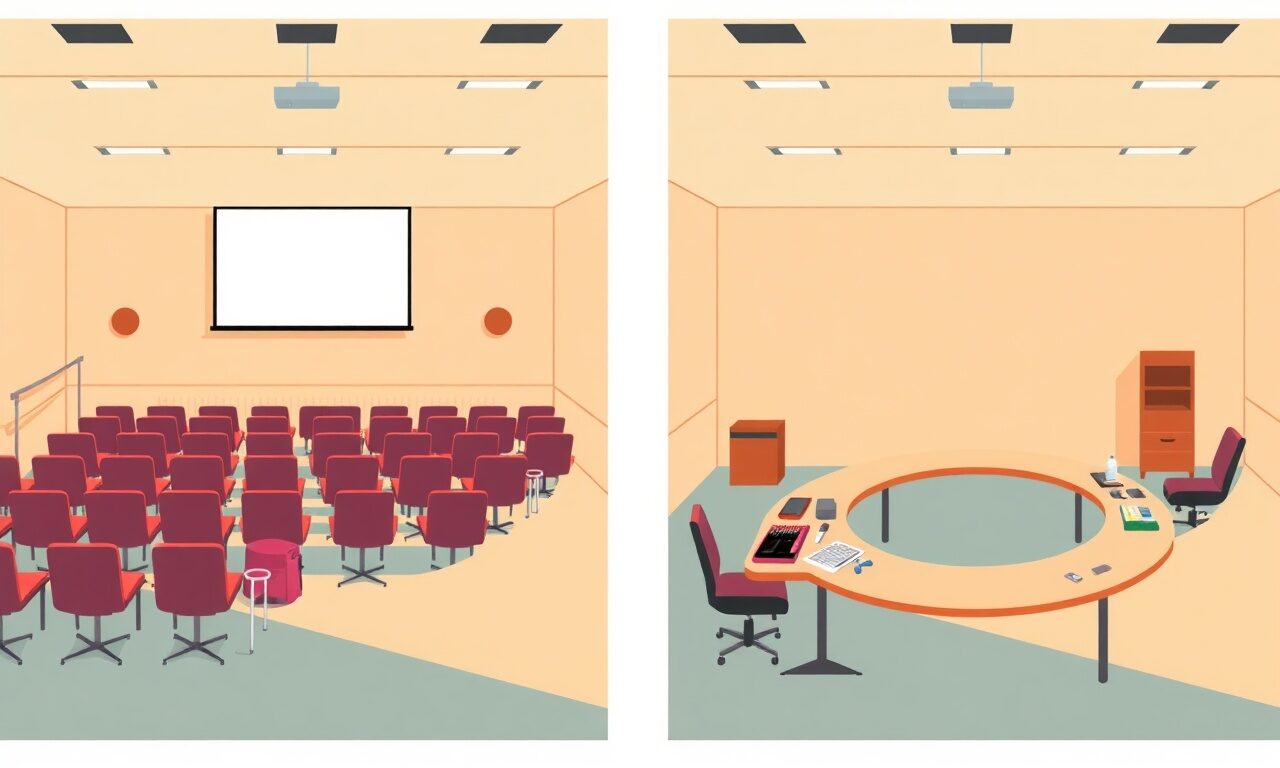
Most creators sit on one great topic and one enormous, half-finished ebook. Forty pages become sixty, sixty become a hundred, and the launch date slides another month. Meanwhile the creators actually making consistent money from PDFs did the opposite: they took that same topic and cut it into eight or ten small guides, each solving exactly one problem in fifteen to thirty pages. A shelf sells better than a slab. Buyers understand a $9 guide titled "Your First 100 Email Subscribers" instantly, while a $49 mega-guide called "The Complete Email Marketing Bible" makes them hesitate, wonder if it's overkill, and close the tab.
Why one megabook underperforms a library
A 120-page ebook has to convince a stranger, mid-scroll, that the entire thing is worth their money and their evening. A 20-page guide only has to convince them of one thing: that this specific annoying problem will be solved in the next fifteen minutes. That's a much smaller leap of faith, and smaller leaps convert — the same reason a menu with 6 items outsells one with 60. Productizing a single outcome per guide also builds in a natural upsell path: someone who buys "Guide 03: Fix Your Discovery Page" is a hot lead for "Guide 04: Turn Followers Into DMs." One megabook has one moment of persuasion. A library has ten.
Mapping the library before you write a single page
Start with your broad topic and lay it out as a customer journey, not a table of contents. If your topic is "grow a coaching business," the journey might look like: get noticed, get a first call booked, run the call, close the client, deliver results, get referrals. Each stage becomes one guide. This is the opposite of outlining a textbook — you're mapping a path, and each guide is a waypoint someone can buy on its own, in any order, depending on where they're stuck today.
- 1List every question your audience has asked you in the last 90 days (DMs, comments, live Q&As count).
- 2Group them into 8-12 clusters — each cluster is one guide.
- 3Order the clusters into a rough journey from "just starting" to "scaling up."
- 4Name each guide after the outcome, not the topic: "Book 5 Calls a Week" beats "Sales Strategies."
- 5Draft a one-line promise for each guide before writing a single page of content.
- 6Pick your first three guides to write based on what your audience asks about most right now.
What actually goes inside a 15-30 page guide
Short doesn't mean thin. A tight guide still needs a clear structure: the problem framed in the reader's own words, the fix broken into concrete steps, one worked example, and a short action checklist at the end. Cut anything that's context you already gave away for free on social media — the guide is for the person who wants the how, not another reminder of the why. Reuse a template across the whole library: intro, method, worked example, one-page checklist. Readers recognize the format guide-to-guide, which builds trust fast.
| Element | Megabook approach | Guide library approach |
|---|---|---|
| Length | 80-150 pages | 15-30 pages per guide |
| Time to first sale | 6-10 weeks | 1-2 weeks per guide |
| Price per unit | One $39-79 price point | $7-15 each, bundle at $59-89 |
| Buyer decision | Big commitment, high hesitation | Small commitment, low friction |
| Upsell path | None built in | Every guide sells the next one |
Merchandising the shelf on your storefront
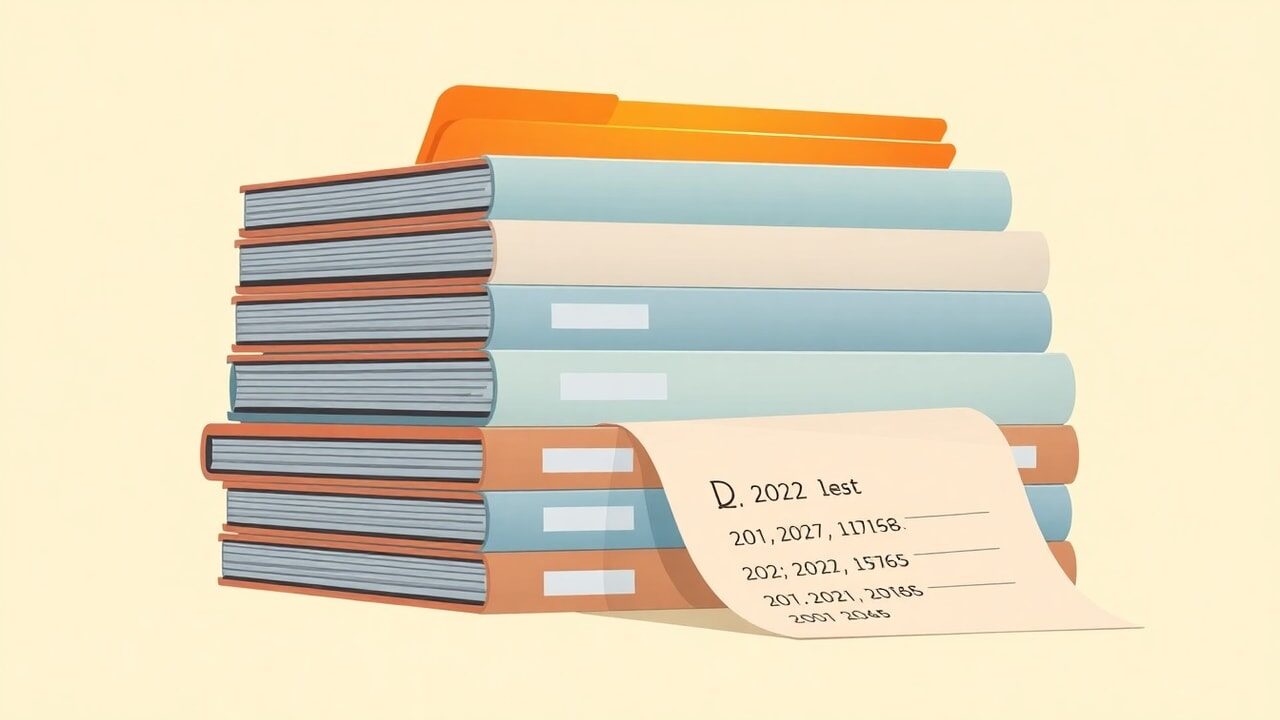
The library only works if it looks like a library, not a pile. On your storefront, list each guide as its own product with its own cover, its own price, and its own short description — but keep the naming and numbering consistent ("Guide 01," "Guide 02"...) so a visitor instantly understands there's a set. Then add one bundle product that includes all of them at a discount, and pin that bundle near the top of your page. This is exactly the layout you can build with the store designer's content blocks: a featured bundle block up top, then a grid of individual guides underneath, ordered by the journey stage they solve. If you haven't set this up yet, you can create your store and have the whole shelf live before your next post goes out.
I stopped trying to write the perfect 100-page guide and started shipping the annoying 20-page fix. Guide 1 took me a weekend. It paid for the next four.— a creator building a productivity guide library
Launch-week checklist for a new guide
0/7Pricing the shelf so the bundle sells itself
Individually, each guide should feel like an impulse buy — cheap enough that a follower doesn't need to "think about it." The bundle should be priced so that buying more than four or five guides separately would cost more than the bundle. That math does the persuading for you; you just need a visible price comparison on the bundle's product page ("10 guides, $89 — worth $140 separately"). Because paid plans carry no platform fees on what you sell, the extra margin from bundling stays with you instead of getting eaten by transaction cuts.
Automating delivery so the whole series feels premium
Nothing undercuts a "professional library" feel faster than a clunky delivery experience. When someone buys Guide 03 at 11pm from their phone, they should have the PDF in hand before they close the checkout screen. Every purchase on store.fan triggers an instant, automatic delivery: the buyer gets a secure download link on-screen immediately and a copy by email as backup, whether they bought one guide or the whole bundle. That reliability is what makes repeat guide purchases so much easier to close than a first ebook sale — buyer number one already trusts the system worked.
It's also worth remembering that a guide library isn't a one-and-done launch — it's a compounding asset. Every new guide you publish gives you a fresh reason to email your list, a fresh post to share, and a fresh entry point for someone who missed the earlier ones. Check a live example store to see how a creator lays out a multi-product catalog so it reads as one cohesive brand rather than a scattered menu.
Build your guide library shelf today and start turning one topic into a whole catalog of instant-delivery PDFs.
See plansCommon questions about running a guide library
Three is the minimum that reads as a series rather than a random product. Launch with three, then add one every two to four weeks — the shelf gets more compelling with each release, and existing buyers become repeat customers.
Mostly yes, for simplicity, though it's fine to price a deeper or more technical guide a couple dollars higher. Keeping prices close together makes the bundle math easy for buyers to do in their head, which is exactly what nudges them toward buying the set.
Almost every topic splits along a timeline (before, during, after) or a skill ladder (beginner, intermediate, advanced fixes). Start by listing the specific questions your audience asks — that list almost always reveals 8-12 natural guide topics on its own.
No — each guide is just a product on your one storefront page, and store.fan handles checkout, payment, and delivery for all of them the same way. Read the FAQ for details on how multi-product stores and bundles work.
Delivery emails include the same secure link shown at checkout, so buyers can always re-access their file from their inbox. If something still looks off, point them to contact support and the team will sort it out.
Your next 30 days
Pick your topic, map six to ten single-outcome guides this week, and write the first one this weekend — not the best one, just the one your audience is asking about right now. Publish it as a $9-15 product, add a bundle placeholder for "the full library" even before it exists, and let the first sales fund the momentum to write guide two. This is a slower-looking but far more reliable path to a real digital product catalog than waiting to finish one giant book. For more playbooks like this one on productizing what you already know, browse the blog — and when you're ready to put the shelf live, store.fan gives you the storefront, the checkout, and the automatic delivery in one place.
Turn your knowledge into income
Launch your Store.Fan in minutes — sell digital products, courses, and calls straight from your bio. Free to start.