Construction Kits 101: Packaging Beats as Stems, Loops, and One-Shots Buyers Can Remix
A raw beat is one sale — a construction kit with stems, loops, and drum one-shots is a whole toolkit customers can rebuild for their own tracks.
A finished beat sells once, to one producer, for one use. A construction kit sells the same creative decisions in pieces — the kick, the melody loop, the vocal chop, the drum bus stem — and lets a hundred different buyers rebuild them into a hundred different songs. That's not a repackaging trick, it's a different product with a different buyer, a different price ceiling, and a different reason to exist. Beatmakers who only sell locked WAV/MP3 beats are leaving an entire second catalog on the table: the same session files, exported one more time, sold as a toolkit instead of a finished product. This guide is about treating the construction kit as its own SKU — with its own folder structure, its own file naming, and its own instant-download bundle — instead of an afterthought you throw in as a bonus.
What a construction kit actually is (and isn't)
A finished beat is a mixdown — one stereo file, done, ready to rap over. A loose sample pack is a grab-bag of sounds with no relationship to each other. A construction kit sits between the two: it's the disassembled version of one specific beat, delivered as separate audio elements that still belong to that beat's key, tempo, and vibe. Buy a construction kit and you get the kick/snare/hi-hat one-shots used in that beat, the melody and bass as looping stems, the drum bus and full mix as stems for reference, and often a trackout (every element bounced individually, aligned to the same timeline) so a producer can drop the whole thing into their own session and start moving faders immediately. The distinction matters because it changes who buys it. A finished beat buyer wants something done. A construction kit buyer wants raw material with your fingerprints on it — your drum selection, your chord voicing, your sound design — that they can chop, re-pitch, and rearrange into something that's legally and creatively theirs.
The anatomy of a kit: what goes in the zip
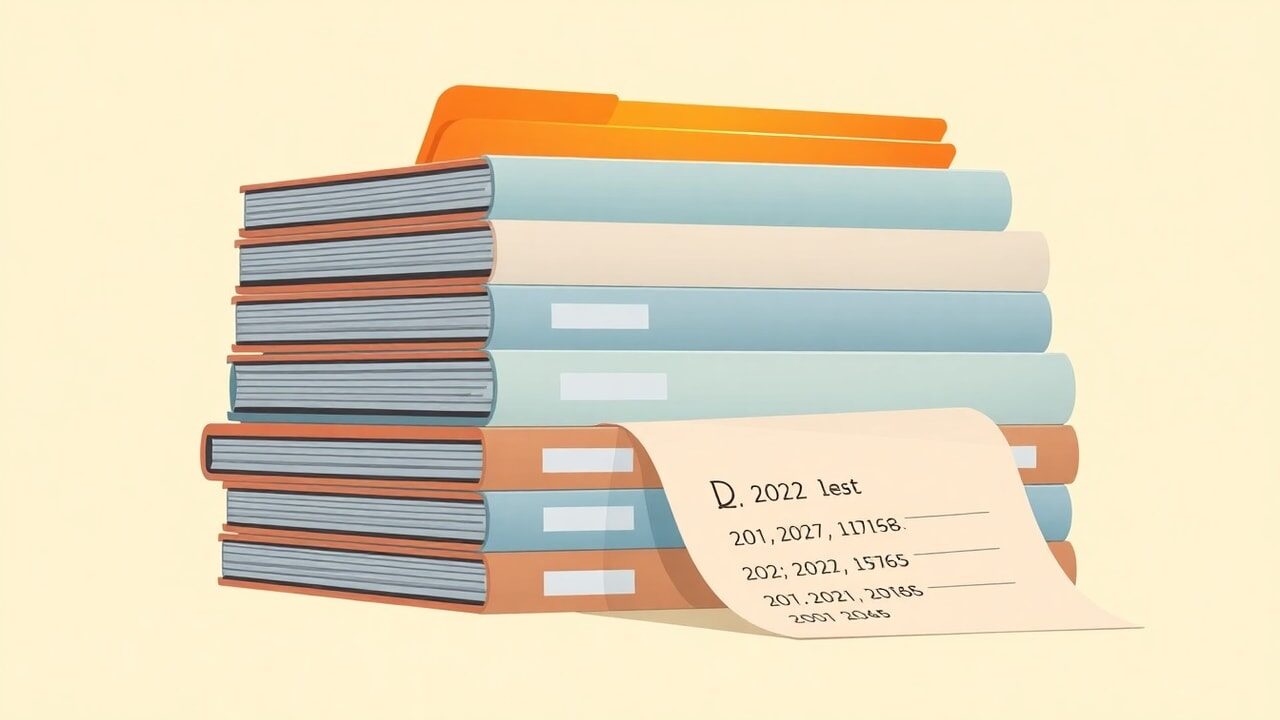
Buyers judge a construction kit in the first ten seconds of opening the folder, before they've played a single file. If it's a flat pile of forty WAVs named Untitled_1.wav through Untitled_40.wav, you've already lost them. If it opens into clearly labeled folders that make sense on sight, you've earned trust before they've heard a note. Structure every kit the same way, every time, so returning customers know exactly where to look.
| Folder | What goes inside |
|---|---|
| 01_Full Mix | The finished, mixed reference track (WAV + MP3) so buyers know what they're rebuilding toward. |
| 02_Stems | Grouped stems — drums, bass, melody, vocals/fx — bounced at the same length and start point as the full mix. |
| 03_Loops | Individual melodic/rhythmic loops, tempo-labeled, so they drag straight into a DAW without retiming. |
| 04_One-Shots | Kick, snare, clap, hi-hat, perc, and any one-off hits, organized into their own subfolders. |
| 05_MIDI | MIDI files for the melody, chords, and bassline — this single folder often justifies half the price on its own. |
| README | BPM, key, license terms, credit requirement, and a support contact — one text file, every kit. |
Notice that MIDI is its own line item, not a footnote. Producers who can't play keys will pay specifically for the melody and chord MIDI because it means they can re-voice the whole thing with their own plugin, in their own key, without transcribing anything by ear. If you're only including audio, you're selling half a kit.
File naming that doesn't make people guess
Naming is the unglamorous part that makes or breaks repeat customers. A producer who buys three of your kits in a month and has to open every file just to figure out what's in it will quietly stop buying a fourth. Build one naming convention and reuse it across your whole catalog: [KitName]_[BPM]_[Key]_[ElementType]_[Number]. So a kit called "Midnight Drive" at 140 BPM in F minor becomes files like MidnightDrive_140_Fmin_Melody_Loop_01.wav, MidnightDrive_140_Fmin_Kick_01.wav, and MidnightDrive_140_Fmin_FullMix.wav. It looks slightly verbose in a folder view — that's the point. Anyone dragging files into FL Studio or Ableton can read the tempo and key straight off the filename without opening a single one.
Before you zip a kit for sale
0/6Bundling it as one instant download
The entire folder structure above should live inside a single zip file, listed as one product on your storefront. This is where the delivery mechanics matter as much as the audio: nobody should be waiting on a DM with a Google Drive link. On store.fan, you upload that zip once as a digital download product, set your price, and every buyer gets a secure download link the instant payment clears — on screen and by email — whether they pay with a card, Apple Pay, Google Pay, or Stripe. There's no manual step where you personally send files at 11pm because someone bought a kit while you were asleep. If you sell across multiple platforms already, this is usually the point where creators consolidate everything behind store.fan's one link, so every kit, every beat lease, and every bundle lives at one address you drop in your Instagram and TikTok bios instead of juggling three checkout tools.
Turning one kit into a product line
Once you've built the folder template and naming convention, the marginal cost of releasing kit number two is almost nothing — you're reusing the same skeleton with new audio. That's when a construction kit stops being a one-off release and becomes a recurring revenue line. A few concrete moves that work well once you have three or more kits in the catalog: bundle five kits into a "Kit Vol. 1" pack priced below buying them individually, so buyers who were on the fence about one kit convert on the bundle instead. Offer the drum one-shots as a smaller, cheaper standalone product for producers who just want your kick-and-snare sound without the full kit. And run a discount code around a release — a genre shift, a new plugin you've started using, anything with a real reason — through your customer list rather than a generic sitewide sale. If you're not sure your current setup can handle multiple SKUs, multiple price points, and a growing customer list cleanly, that's worth checking against your pricing plan; the free tier is fine to start, but a catalog of kits tends to outgrow it fast.
I used to give stems away as a bonus when someone bought the beat. Once I started selling the kit as its own product, it outsold the original beat within a month — same audio, completely different buyer.— Independent producer, on switching to construction-kit SKUs
Licensing: say it once, in writing, every time
Construction kits create more licensing questions than finished beats, because buyers are combining your stems with their own recordings and calling the result theirs. Don't leave this to a DM thread. Put licensing terms in the README inside every zip, and mirror the same terms on the product page description so a buyer sees them before they pay, not after. State plainly whether the kit is non-exclusive (you can sell it to multiple people) or exclusive (one buyer, then it's retired from your store), whether credit is required in the buyer's final release, and whether the buyer can resell loops from the kit as their own pack (the answer, almost always, should be no). If you're getting the same three licensing questions over and over in your inbox, that's a sign the README isn't doing its job — tighten the wording rather than answering the same question by hand every week. It's worth a quick check against your storefront's FAQ page too, since a public answer to a common licensing question heads off a support ticket before it's typed.
Yes — always include the full mixed reference track. Buyers need to hear what they're rebuilding toward, and it's proof the stems actually add up to something.
WAV, 24-bit if you can, 16-bit minimum. MP3 is fine for the reference mix but never for anything a buyer is meant to actually produce with — the quality loss compounds once they start layering effects.
Treat them as separate products with separate terms. A beat lease is usually non-exclusive and capped at a certain number of streams; a construction kit sale is a bigger grant of raw material and should carry clearer, usually stricter, terms.
Upload it once as a digital product on your storefront — store.fan handles the file hosting and sends buyers a secure download link automatically after checkout, no manual emailing required. See common questions for file size specifics.
A construction kit business benefits from having its own page, discount codes for bundles, and a customer list you can email when a new kit drops — that's the difference between a one-off sale and a repeat customer. It's worth looking at a live example store to see how a full catalog reads to a first-time visitor.
Start with one kit, not the whole catalog
You don't need ten kits and a perfect naming system before you make your first sale — you need one kit, built to the folder structure above, priced clearly, and listed somewhere a buyer can actually pay you. Take your best-performing beat, pull the stems and one-shots you already have sitting in the session file, zip them with a README, and list it. The folder template above works whether it's your first kit or your fiftieth, and every kit after the first one takes a fraction of the time because the structure is already solved. If you're selling beats anywhere else right now — Instagram DMs, a generic file host, a marketplace that takes a cut of every sale — moving your construction kits to your own storefront is what turns scattered file transfers into a real, repeatable product line. Check the blog for more on pricing and bundling once your first kit is live, and if a buyer's download link ever breaks, contact support rather than resending files by hand.
Package your first construction kit as an instant download and start selling it from your own link today.
Start freeTurn your knowledge into income
Launch your Store.Fan in minutes — sell digital products, courses, and calls straight from your bio. Free to start.