Scheduling Across Time Zones: Running a Global Coaching Calendar Without the Headache
Your next client could be booking from Manila at 2am your time — here's how to set availability that actually works worldwide.
It happens to almost every coach the moment their audience crosses a border: a booking notification pops up for 2:00am your time, from someone in Manila, Lagos, or São Paulo who followed you from a Reels clip and just wants to talk to you. That's a genuinely great problem — it means your content is traveling further than your zip code — but it's also the exact moment global scheduling chaos begins. Double-booked slots, no-shows because someone converted 3pm PST into the wrong 3pm, and calendars that quietly punish you for having an international audience instead of rewarding you for it. None of that is inevitable. It's a setup problem, and setup problems have fixes you only have to build once.
Why time zones break more coaching calendars than any other single thing
Time zone confusion isn't a minor annoyance — it's the single biggest cause of no-shows in 1:1 coaching, ahead of pricing objections, ahead of unclear offers, ahead of almost everything else you'd normally worry about. A client who no-shows because of a mistranslated time zone doesn't think "I made an error." They think "that was confusing and awkward," and that impression sticks to your brand, not to a clock. If you're selling coaching calls the way creators do on store.fan, your booking page is doing double duty: it's a sales page and a scheduling tool at the same time, so any friction there costs you twice — once on conversion, once on retention.
The good news is that this is one of the most fixable problems in the entire creator-coaching stack. Unlike pricing or positioning, which require judgment calls, time-zone-proofing is mechanical. You build the system once, and it keeps working while you sleep — literally, since half your bookings will happen while you're asleep somewhere on Earth.
Step one: stop displaying times, start displaying moments
The core mistake is treating a time slot like a fixed label instead of a moment in universal time. "Tuesday at 4pm" means nothing without a reference zone attached, and most booking pages either omit the zone entirely or bury it in fine print. Whatever tool you use to publish your availability, the display a stranger sees should always resolve to their local time automatically, or at absolute minimum show your zone in bold next to every slot: "4:00 PM EST (New York)." Do not write "4:00 PM your time" unless the system genuinely knows what "their time" is — that phrase is where half the missed calls originate, because it silently assumes the booker already converted correctly in their head.
Step two: design availability windows that actually rotate the globe
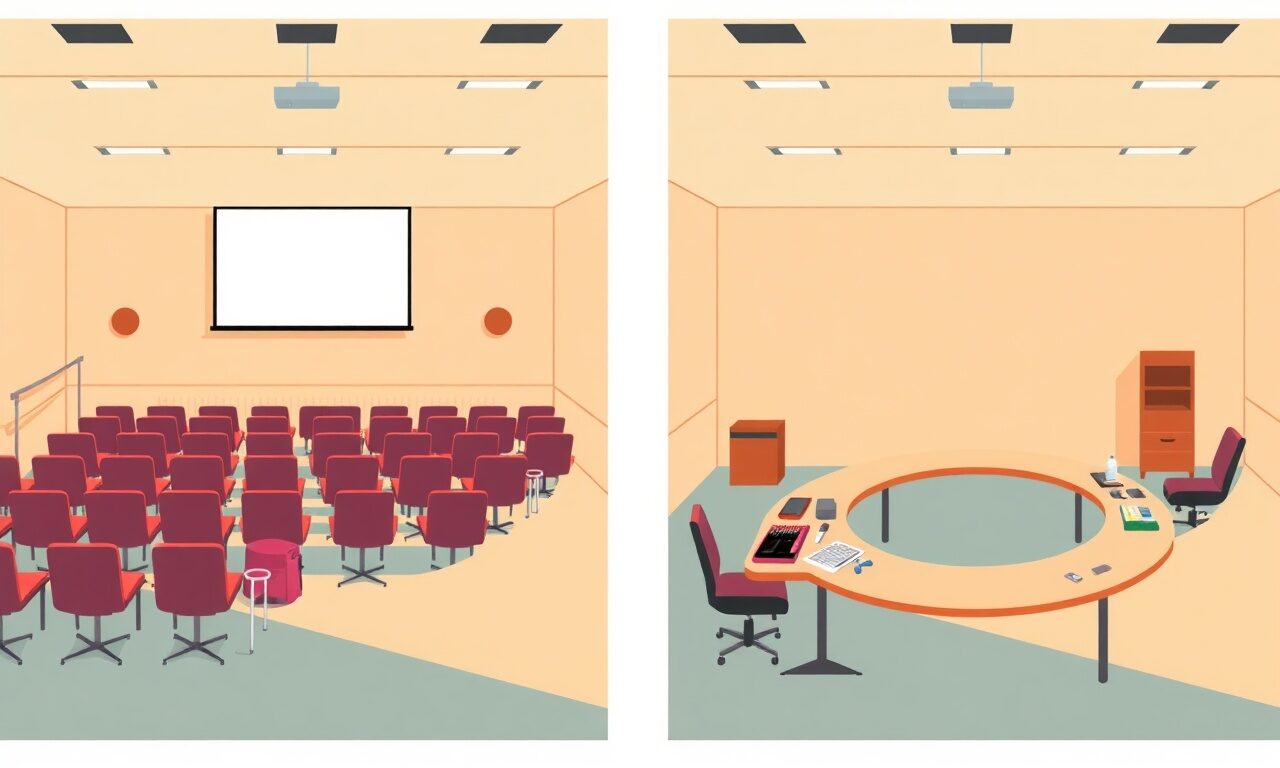
Most coaches set one block of hours — say, 9am to 5pm in their own zone — and never touch it again. That's fine if your audience is local. It's a slow leak if your audience is global, because you're only ever awake and bookable during daytime for one third of the planet at a time. The fix isn't to work around the clock; it's to rotate two or three fixed windows across your week so different regions get a fair shot at a humane hour.
| Your local window | Good for | Typical client-side time |
|---|---|---|
| 7:00–9:00 AM (early) | Western Europe, West Africa | 1:00–3:00 PM local |
| 12:00–2:00 PM (midday) | US/Canada across time zones | 9:00 AM–5:00 PM local |
| 7:00–9:00 PM (evening) | East Asia, Australia, NZ | 7:00–9:00 AM next day, or evening in AU/NZ |
You don't need all three every week — even offering one rotating slot per week outside your usual hours (say, one early-morning slot on Wednesdays) signals to international followers that booking with you is realistic, not a long shot. Label these windows plainly on your page: "I hold one early slot and one evening slot each week for clients outside North America" reads as thoughtful, not as an inconvenience you're apologizing for.
Step three: make the checkout itself do the time-zone math
Whatever platform hosts your booking flow, the checkout step is where ambiguity should die for good. Add a simple, mandatory field — even a dropdown or a plain text prompt like "What city or time zone are you booking from?" — as one of your custom checkout fields. It costs the client five seconds and gives you a hard record of what they believed the time to be, which is exactly the data point you need if a mix-up happens anyway. It also lets you personalize the confirmation: instead of a generic receipt, you can manually or automatically restate the meeting time in their stated zone, closing the loop before it can open.
This is a small addition, but it's the kind of detail that separates a coaching offer that feels like a real practice from one that feels like a Calendly link bolted onto a Stripe button. If you haven't set this up yet, it takes about ten minutes inside your dashboard once your store exists — worth doing before your next promo push.
Step four: buffers, cutoffs, and the last-minute booking problem
International audiences also break the assumption that "tomorrow morning" gives you enough notice. Someone browsing at midnight your time might be booking a slot that's less than an hour away in their own morning — completely reasonable on their end, a scramble on yours. Two settings fix this cleanly: a minimum-notice cutoff (say, 12 or 24 hours before any slot becomes bookable) and a buffer between calls so a 9am booking in one zone doesn't collide with the tail end of a call you scheduled for someone in a different zone entirely. Neither setting is about distrust — it's about protecting the quality of the call itself, which is the actual product you're selling.
Time-zone-proof your coaching calendar
0/6Step five: let automatic delivery do the reminding for you
One underrated advantage of running coaching through a proper storefront rather than a patchwork of DMs and spreadsheets is that the confirmation and delivery is instant and automatic — the moment payment clears, the buyer gets their meeting link on-screen and by email, no manual follow-up required on your end. That single email is your best tool against time-zone confusion, because it's the one message you know the client will actually open. Make it count: restate the date, the time in their zone if you collected it, and a one-line "add to your calendar" nudge. If you're building this out for the first time, look at a live example store to see how a real coaching offer structures that confirmation moment.
A client who books across eleven time zones and still shows up on time isn't lucky — they were told exactly when to show up, in language their own brain didn't have to translate.— store.fan playbooks
Pricing and positioning for a global calendar
Once your scheduling mechanics are solid, it's worth revisiting how you price across regions and hours. Some coaches charge a modest premium for "inconvenient hour" slots — early morning or late night for them — which both compensates for the disruption and, counter-intuitively, increases perceived value for the client booking it. Others keep one price flat everywhere and instead limit how many off-hour slots exist per week, which creates natural scarcity. Either approach works; what doesn't work is pretending the inconvenience isn't real and burning out quietly. Check your pricing page setup to make sure whatever model you choose is reflected clearly before a global audience starts booking at scale.
UTC is great for you internally, but most non-technical clients won't convert it correctly in their head. Best practice is showing the slot in a named zone with a city reference (e.g. "6:00 PM UTC / 2:00 PM New York") or, ideally, letting the booking page auto-detect the visitor's device time zone and display it directly.
Don't chase every zone at once. Look at where your actual audience is concentrated — your follower or customer list will usually cluster into two or three regions — and build your rotating windows around those, not around theoretical global coverage.
Treat it as a system gap, not a client mistake. If your confirmation email clearly restated the time in their zone and they still missed it, that's a one-off; if it keeps happening, tighten the checkout field or add a reminder closer to the call. This is also worth raising with contact support if you think a technical display issue is the actual cause.
You can structure clear, zone-labeled availability on any plan — the core discipline is in how you write and organize your slots. Custom checkout fields and deeper automation are part of what the Pro plan unlocks, which is worth it once international bookings become a steady part of your income.
Not if you're transparent about it. Plenty of successful global coaches keep hours anchored to their home base and simply state that clearly upfront — clients self-select. The problem was never asking someone to adjust; it's asking them to adjust to a time they can't even correctly identify.
Put the system in front of real bookings
None of this matters until it's live in front of an actual audience, which is really the whole point: a global coaching calendar is only valuable once people from outside your own city can find it, understand it, and book it without a single confused DM. If you haven't yet, this is a good moment to create your store and put a real, zone-labeled booking page behind your bio link rather than a generic scheduling link buried three taps deep. Once it's live, keep refining — check common questions from your own clients for patterns, and browse the blog for more playbooks on running the parts of coaching that have nothing to do with the coaching itself.
Set up a time-zone-clear coaching calendar your global audience can actually book.
Start freeTurn your knowledge into income
Launch your Store.Fan in minutes — sell digital products, courses, and calls straight from your bio. Free to start.