Buffers, batching and a booking page that protects your whole day
Back-to-back calls look efficient and quietly cost you the afternoon. How to shape availability so the work between the calls still fits.

Four calls, ten until two, nothing in between. On the calendar it is the most efficient day you have ever built. In practice you finish at two with four sets of notes you have not written, three follow-ups you promised, a lunch you did not have, and no capacity to do the actual work anybody is paying you for. The day was not efficient. It was dense, and dense is a different thing.
The hour that is not an hour
A one-hour paid call costs roughly ninety minutes on a good day. Ten minutes reading the brief, sixty on the call, then fifteen or twenty writing up what you said and sending whatever you promised. If you do not schedule that last part, it does not vanish. It piles up and gets done badly at nine in the evening, or it gets done a week later with an apology attached.
There is a second cost that scheduling tools tend to ignore. Calls are not interchangeable units of energy. The fourth one in a row is worse than the first, and clients can tell. A day of four is not four times as productive as a day of one; somewhere around the third, quality starts leaking, and the person on the other end paid the same price as the person at ten o'clock.
The genuinely hard part is that this trade is invisible in the short term. Nobody complains after one dense day. The bill arrives three weeks later as a backlog of unwritten notes and a quiet reluctance to open the booking page at all.
An open calendar against a shaped one
Most booking pages start life wide open because openness feels like it will sell more. Shaping it is a small set of decisions you make once.
| An open calendar | A shaped calendar |
|---|---|
| Every working hour is bookable | Two or three named days carry the calls |
| Calls land back to back because they can | A buffer after each call holds the notes and the follow-up |
| Deep work happens in the gaps that survive | Deep work is an event in the calendar, so nothing is offered over it |
| Same-day bookings arrive with no preparation time | A minimum notice period means you always read the brief first |
| You block time out reactively, after saying yes | Your calendar is blocked first and the storefront follows it |
| Busy weeks and empty weeks alternate unpredictably | Capacity is a number you chose rather than a number you discovered |
Shaping the week
Work down this list in order. The first two do most of the work, and both happen in your calendar rather than your storefront. The rest are settings on the booking product itself.
Before you publish another slot
0/7The same six calls, arranged two ways
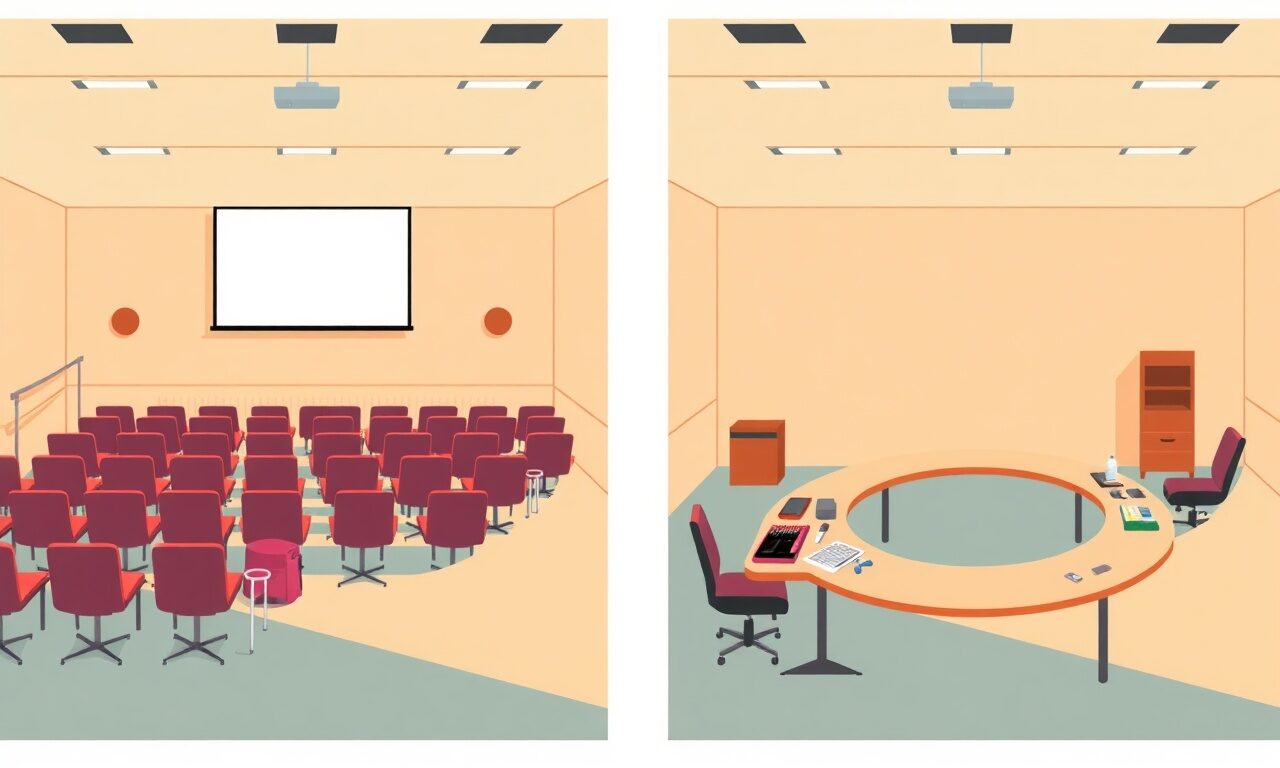
Six calls a week, spread across five days, means every single day has a hole in the middle of it. Nothing that requires two uninterrupted hours ever gets started, because there are never two uninterrupted hours. The week feels full and produces one deliverable.
Now put the same six on Tuesday and Thursday, three each, with fifteen minutes between and nothing after four o'clock. Same income, same clients, same hours on calls. Monday, Wednesday and Friday are now genuinely clear, which is where the course, the download or the next launch actually gets built. This is the same reasoning behind selling something that does not need your presence at all, which is what the digital products side of a storefront is for.
Density is not capacity. You can fill every hour and finish the week having built nothing.
Shape your booking page before the demand arrives, not after your first four-call Thursday.
Build your pageThe mistake most people make
They open the whole week to prove that the demand exists, and then discover that the demand tests them rather than the offer. If ten hours are available, ten hours can be taken, and the person who takes the Friday five o'clock is not being unreasonable. You published it. The fix is unglamorous: publish the week you can survive, watch whether it fills, and widen it only when slots are genuinely running out. You can see exactly how a product is performing in the per-product analytics, which is a better guide to capacity than the feeling that you should be available.
Long enough to write the notes you promised. For a one-hour session that is usually fifteen to twenty minutes. If your follow-up is a written document, treat it as a separate block rather than a buffer.
Sometimes, at the margin. In practice most people selling six to eight calls a week find that a narrower, well-spaced calendar fills just as reliably, because scarcity is not the thing that puts buyers off.
Yes, as real events. The sync protects what is written in the calendar you connected. An unmarked Thursday afternoon is a bookable Thursday afternoon.
It is on the paid plans, and paid plans begin with a 14-day free trial. The Free plan keeps your link-in-bio page and the full storefront designer indefinitely. See pricing for the split.
A booking page is a statement about how you intend to work. Left at its defaults it says yes to everything and quietly hands your week to whoever books first. Ten minutes of shaping, most of it done inside the calendar you already keep, turns it into something that sells your time without spending the rest of it.
Calls, courses, downloads and memberships on one page, with 0% platform fee on every plan.
Start for freeTurn your knowledge into income
Launch your Store.Fan in minutes — sell digital products, courses, and calls straight from your bio. Free to start.