How to build an artist patron tier you can still deliver in a bad month
Work in progress, early looks and the occasional print. How to promise something you can honour in a month when the work simply will not come.

It is the twenty-sixth of the month and the thing you promised patrons does not exist. Not because you were idle. Because the piece went wrong in week two, and you spent week three fixing it, and week four was mostly a hospital appointment and the tax return. Somewhere in there the monthly reward turned from a nice idea into a debt with a deadline. Every artist who has run a patron tier for more than half a year knows this feeling, and it is the single most common reason those tiers get quietly abandoned. The fix is not discipline. It is promising a different sort of thing in the first place.
The trouble with a monthly reward
A reward tier looks reasonable when you design it in a good week. One finished drawing a month, a wallpaper pack, a process video. All of it is work you were going to do anyway, so the promise costs nothing. That is the trap: you priced the promise against your best month and you will be paying it in your worst.
What actually happens is drift. The first missed month you make up for by doubling the next one, which is fine. The second missed month you apologise. By the third you have stopped posting altogether, because opening the page means facing the apology, and it is easier not to. The patrons do not leave in outrage. They leave slowly, over a season, and the message you left them with was that you owed them something and did not pay.
Here is the genuinely hard part, the one no system solves. People are paying you every month whether or not you produced anything, and there is a real obligation in that. Pretending otherwise is not the answer. The answer is to make the obligation something you can honour on a bad day: not a finished piece, but a door left open. If you are transparent about what the tier is before anybody joins, a quiet month is a quiet month rather than a broken promise.
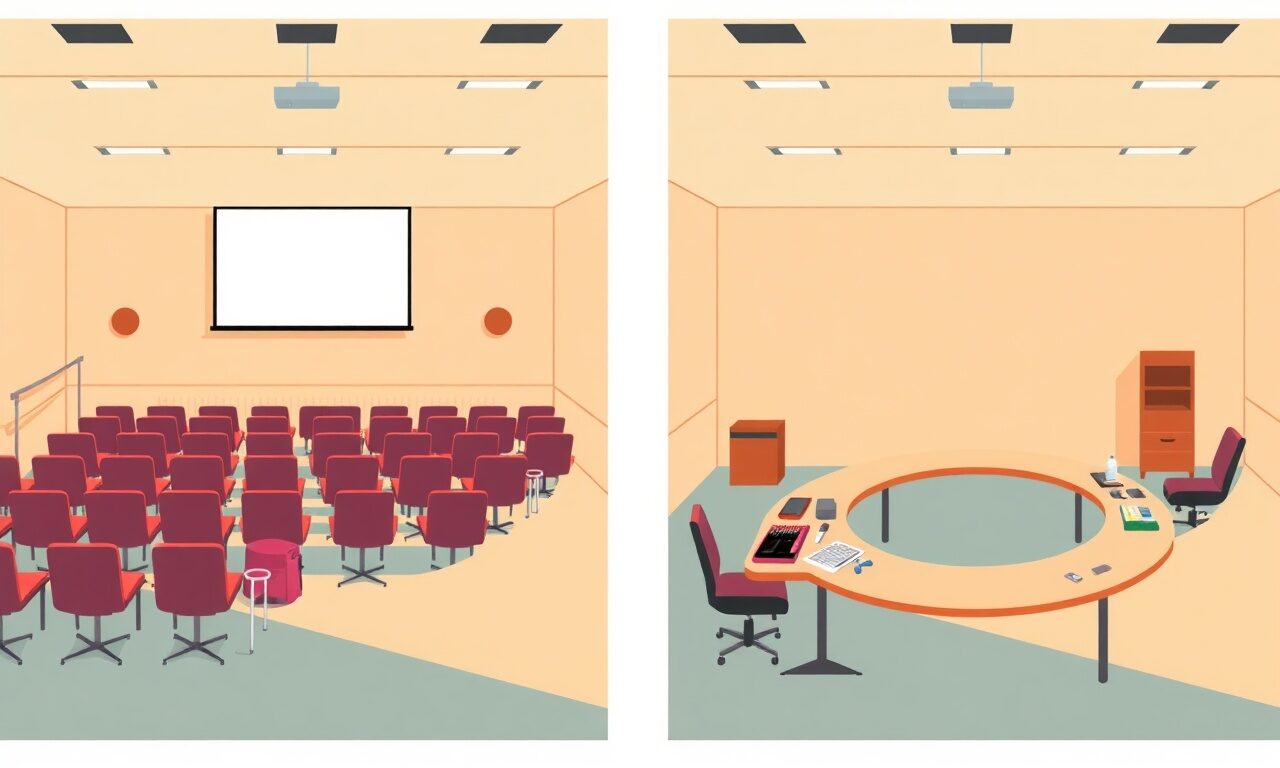
Promise the studio, not the output. The studio is open even on the days when nothing gets finished.
Two ways to write the same tier
Read these as two versions of your own membership description. The left-hand column is what most people write. The right-hand column is what survives a bad quarter.
| A tier built on deliverables | A tier built on access |
|---|---|
| One finished piece every month | Everything I am working on, as it happens |
| A missed month is a debt you owe | A quiet month is a quiet month, and you said so up front |
| Patrons judge the tier by output volume | Patrons judge the tier by how close they get |
| Rewards must scale as the tier grows | The feed costs the same whether it has 20 or 200 readers |
| Physical prints promised on a schedule you must meet | Prints appear occasionally, announced when they are ready |
| You post when you have something finished | You post when something is interesting, including failures |
Building it, in the order that matters
The whole thing is one product and one habit. The product takes twenty minutes; the habit is what you are actually committing to. Details of how the feed works sit on the communities page, and the membership product type is covered under memberships.
- 1Create one membership product with monthly billing, and resist adding a second tier until the first one has run for three months.
- 2Write the description as a description of access, not a list of rewards. Say what patrons will see, how often you typically post, and that the pace varies with the work.
- 3Add one honest sentence about breaks: some months are slow, you will still be posting, and anyone can cancel themselves at any time.
- 4Pin a welcome announcement in the community feed explaining where to start and how to reply. A feed with nothing at the top reads as abandoned.
- 5Post three things before you sell a single membership, so the first person to join arrives somewhere that is already alive.
- 6Offer a yearly option as a separate product for the patrons who would rather pay once and forget it. This is also the version that carries you through a slow autumn.
- 7Keep prints and physical rewards out of the tier description entirely. Announce them in the feed when they exist, as a surprise rather than an entitlement.
- 8Put the storefront link everywhere you already post work, and let the cover photo be a photograph of the actual studio.
Sixty patrons and a month with nothing finished
Say sixty people are paying five pounds a month. It is not a living, but it is the framing costs, the good paper and a slow week you can afford to take. In August the big commission eats everything and you finish nothing of your own at all.
Under a deliverables tier, August is a crisis: sixty people paid for a drawing that does not exist. Under an access tier, August is a month of photographs of a commission taking shape, one post about the colour you mixed wrong four times, and a short note in the feed saying this month is commission work and here is what that looks like from the inside. That is a perfectly good month of membership. Some people will still leave, because people always leave, and the ones who do can cancel themselves without asking you. The ones who stay were never buying a drawing. They were buying the seat by the table, and the seat was still there. These numbers are illustrative and nothing here guarantees any income, but the structural difference is the point: one version of August ends the tier and the other one does not.
A membership with a real feed for posts, replies and pinned announcements takes about twenty minutes to set up.
Start your patron tierThe mistake: building the ladder before anybody is on it
Nearly every artist starts with four tiers. Three pounds for the feed, ten for a monthly wallpaper, twenty-five for a name in the credits, fifty for an original sketch posted quarterly. It looks generous and it is really a stack of four separate promises to keep, each with its own delivery problem, at a moment when you have zero patrons and no idea which one people actually want. Then eleven people join, nine of them at the lowest tier, and you are maintaining a whole structure for two patrons at the top of it. Start with one tier at a price you would be glad to receive. Run it for a season. Add a second only when patrons have told you, unprompted, what they wish they could get. The ladder should be built under people who are already climbing, not laid out in advance for an audience that has not arrived.
Often enough that the feed never looks abandoned, which for most artists is something like weekly, and rarely more. Say your real pace in the description rather than an aspirational one. A tier that promises daily and delivers weekly feels worse than one that promises weekly and delivers weekly.
Yes. Replies are what make a feed a community rather than a broadcast, and for a solitary practice the conversation is often the part patrons value most. Pinned announcements let you keep the important things at the top without repeating yourself.
Access follows payment, so they keep it until the end of the period they paid for and then it stops. They stay in your customer list with their full lifetime value, which is exactly who you want to tell when you next open a print run.
Yes. One storefront holds ten product types, so a membership, a print as a physical product with a delivery fee, a digital brush pack and a free wallpaper can all sit together. Most artists find the shop and the tier feed each other rather than competing.
A patron tier is a promise you have to keep on your worst week, not your best one. Write it small enough that you can, put it somewhere with a feed so that showing up is easy, and let the prints and the originals be occasional gifts rather than monthly obligations. Then go back to the work, which is the thing everybody is paying for anyway. If you want to see what else can sit beside the tier on the same page, the features page covers all ten product types, and the pricing page explains what the free plan keeps forever.
Payments land in your own Stripe account with no platform fee, on every plan, including the free one.
Open your studio pageTurn your knowledge into income
Launch your Store.Fan in minutes — sell digital products, courses, and calls straight from your bio. Free to start.