
🧰 Selling & marketing · Guide
Three Boxes
Turning the work you already do into packages you can quote in a minute
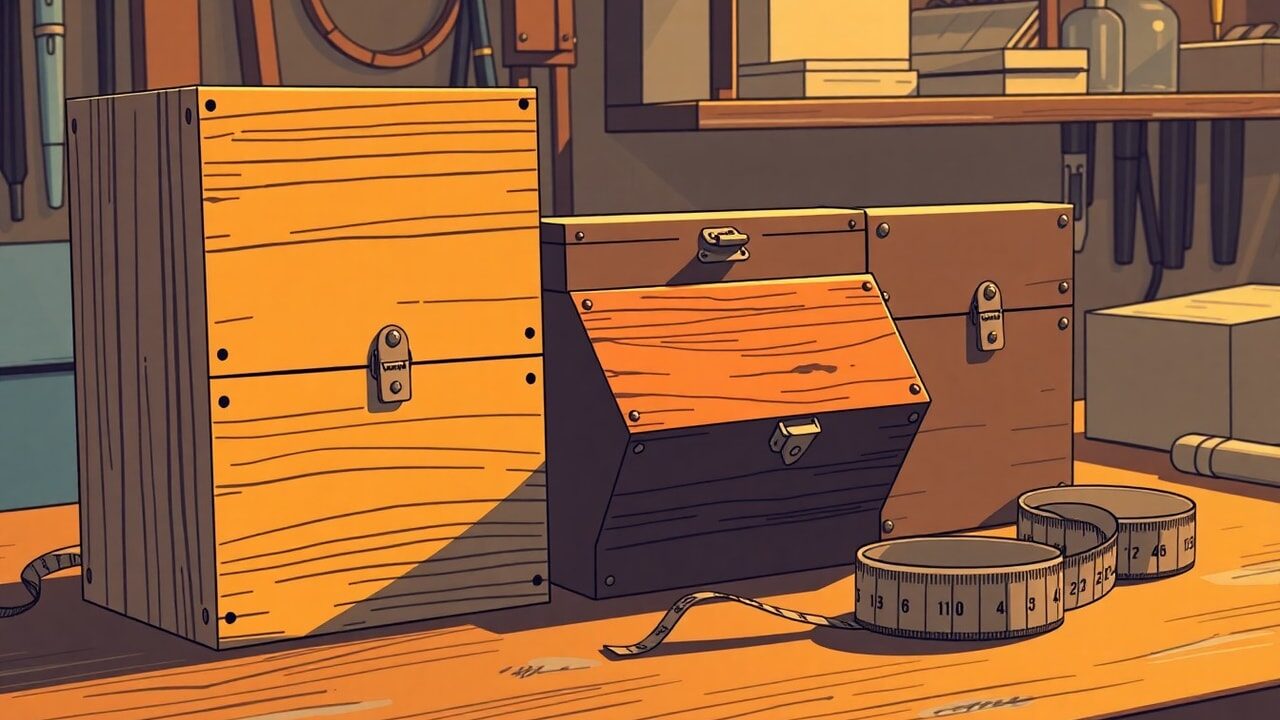
Three Boxes
Turning the work you already do into packages you can quote in a minute
Your name
A4 · this is a layout preview in the “Field Notes” design. When you generate, the studio writes every chapter in full, paints the cover and chapter art, and composes a downloadable A4 PDF with your name, bio and store link on it.
Quoting from scratch every time is slow, inconsistent and quietly expensive. It also makes clients compare your hours to somebody else's hours. Packaging fixes all three by turning the work you already repeat into a small, named set of things with prices attached. This guide builds three of them and the one-page proposal that sells them.
What's inside
- 1Write down what you already do twice a monthYou go through the last ten projects and list the work that appears again and again, regardless of what the client called it. That repeated middle is the raw material for every package you will build.
- 2Cut it into three sizesYou shape the repeated work into a small, a standard and a larger engagement, where each one is a complete job rather than a fraction of the next. After this chapter you have three named packages with different outcomes, not three lengths of the same thing.
- 3Scope: what is in, what is out, what costs extraYou write the boundaries in plain language, including the number of revisions, the response time and the things that trigger a new quote. This chapter is the one that protects your evenings.
- 4Price the package, not the hoursYou set a price from the value and the risk of the job, then sanity-check it against the hours it usually takes rather than deriving it from them. After this chapter you can explain the price without listing your rate.
- 5The one-page proposalYou build a single reusable page with the outcome, the scope, the price and the dates, so a quote takes ten minutes instead of an evening. This chapter includes what to leave out, which is most of your process.
- 6Deliverables, dates and the handoverYou define what the client physically receives, when each part arrives and what finishing looks like, so projects end rather than trailing off. After this chapter every package has a last day written into it.
- 7When to say no, and what to offer insteadYou work out which requests fall outside all three packages, and prepare a short alternative to offer instead of a reluctant yes. Saying no with a second option keeps the relationship and protects the packages.
A sample from chapter one
Start with the work you have already done
You do not need to invent packages. You need to notice them. Open the last ten projects and read what you actually did, not what the contract said. Somewhere in the middle of most of them is the same sequence of work, done in the same order, taking roughly the same time. That sequence is your standard package, and you have already tested it on ten clients without calling it anything.
Write the repeated work as a list of verbs and outputs. Audited the existing pages. Rewrote the three that matter. Set up tracking and handed over a short guide. When the list is on paper you will usually find two or three tasks that appear every time and one that only appeared when the client was disorganised. The first group is the package. The second is an extra with its own price.
- Read the last ten projects and mark the work that appears in at least seven of them.
- Write each repeated step as a verb and an output the client can see.
- Note the tasks that only appear on difficult projects, and price them separately.
- Time the repeated middle honestly, including the parts you do not usually bill for.
Key takeaways
- Your best package is already sitting in your last ten invoices, described in the client's words.
- Separating the always-happens work from the sometimes-happens work is what makes a fixed price safe.
- A package that names an outcome moves the conversation away from your hourly rate.
The studio writes every chapter from this outline, paints the art and hands you a PDF you can sell the same afternoon.
Start free