
📦 Home & family · Guide
Declutter One Room Properly
A weekend method that ends with bags out of the house, not stacked by the door
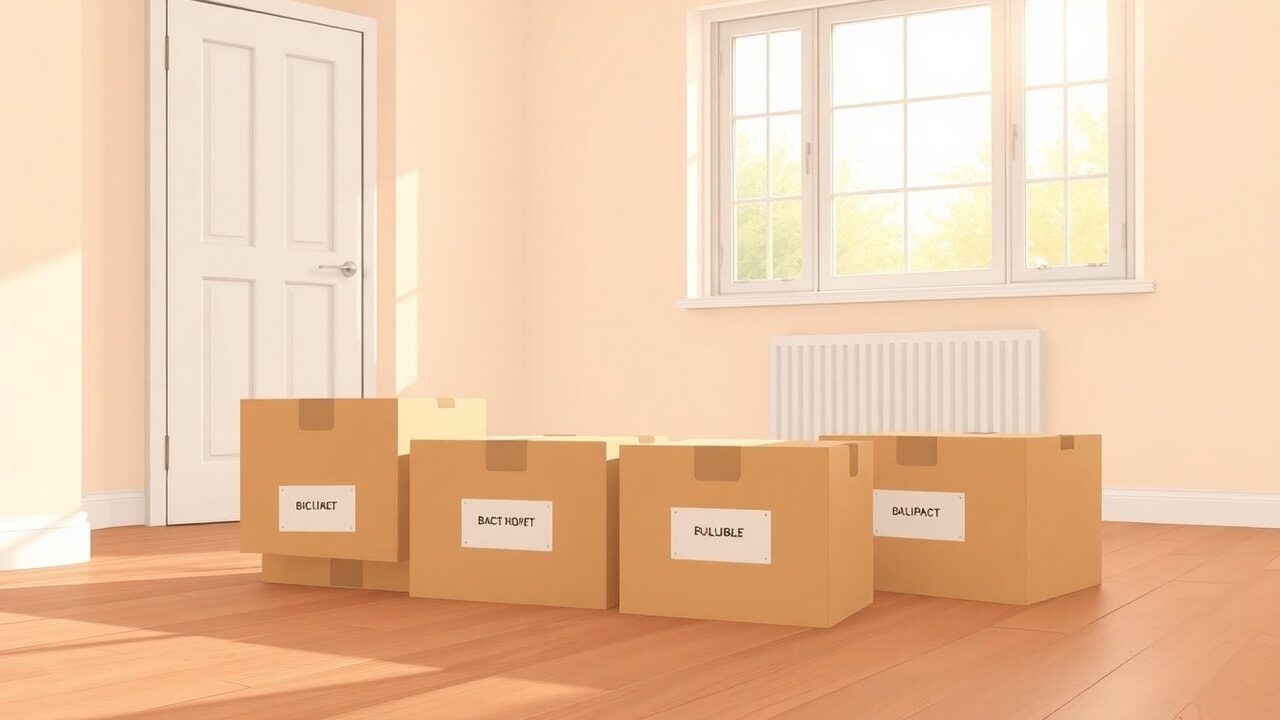
Declutter One Room Properly
A weekend method that ends with bags out of the house, not stacked by the door
Your name
A4 · this is a layout preview in the “Washi” design. When you generate, the studio writes every chapter in full, paints the cover and chapter art, and composes a downloadable A4 PDF with your name, bio and store link on it.
Decluttering usually stalls in the same place: the sorting gets done and the leaving does not. This guide takes one room from full to finished across a weekend, with the removal built into the plan rather than left for a later that never arrives.
What's inside
- 1Choose The Room And The DeadlineWhy the room you pass most often beats the worst room, and how to set a deadline tied to something outside your control. After this chapter you will have a room chosen and a finishing time written down.
- 2The Four Boxes And Where They GoSetting up keep, elsewhere, donate and bin before touching anything, and the rule that keeps you in the room. You will learn why the elsewhere box saves more time than any other decision in the day.
- 3Working The Surfaces FirstClearing every flat surface before opening a single drawer, and why visible progress carries you through the harder hours. After this you will have the room looking changed within the first forty minutes.
- 4Drawers, Cupboards, The Hard MiddleEmptying storage one unit at a time with a timer, and the three questions that settle most items in seconds. You will be able to work through hidden storage without the room getting worse than when you started.
- 5Sentimental Items, Handled OnceA separate, slower pass for things attached to memory, including the photograph rule and the single memory box. After this chapter you can keep what matters without keeping everything that touched it.
- 6Getting Things Out Of The HouseCharity shops, selling, recycling and the tip, ordered by how quickly each actually removes things. You will finish knowing exactly where each bag goes and when.
- 7The Ten-Minute Weekly ResetA short repeatable routine that returns the room to its cleared state before clutter takes hold again. You will end with a fixed weekly slot and a three-step reset that fits inside it.
A sample from chapter one
One room, one deadline, four boxes
Pick the room you walk through most often, not the worst one. The worst room is where good intentions go to die, while the room you pass ten times a day rewards you with a visible change by evening. Give it a deadline you can say out loud, such as Saturday afternoon before the charity shop shuts, because a shop closing is what gets bags out of the house.
Set out four boxes before touching anything: keep, elsewhere, donate, bin. The elsewhere box is the one that saves the day. Every time you find something belonging in another room it goes into that box rather than into your hands, because carrying one mug back to the kitchen is precisely how an entire afternoon quietly disappears.
- Clear flat surfaces first, because visible progress is what keeps you in the room.
- Set a timer for forty minutes and stand up when it goes off, whatever state the pile is in.
- Put donation bags in the car boot the same day rather than by the front door.
- Photograph anything you are keeping only for the memory, then decide again.
Key takeaways
- The room you pass often rewards you faster than the room that embarrasses you most.
- The elsewhere box stops the afternoon leaking away in small journeys between rooms.
- Anything still in the house at bedtime tends to come back out of the bag by morning.
The studio writes every chapter from this outline, paints the art and hands you a PDF you can sell the same afternoon.
Start free