
🗂️ Learning & career · E-book
Notes You Will Actually Reuse
Capturing, condensing and finding what you learn
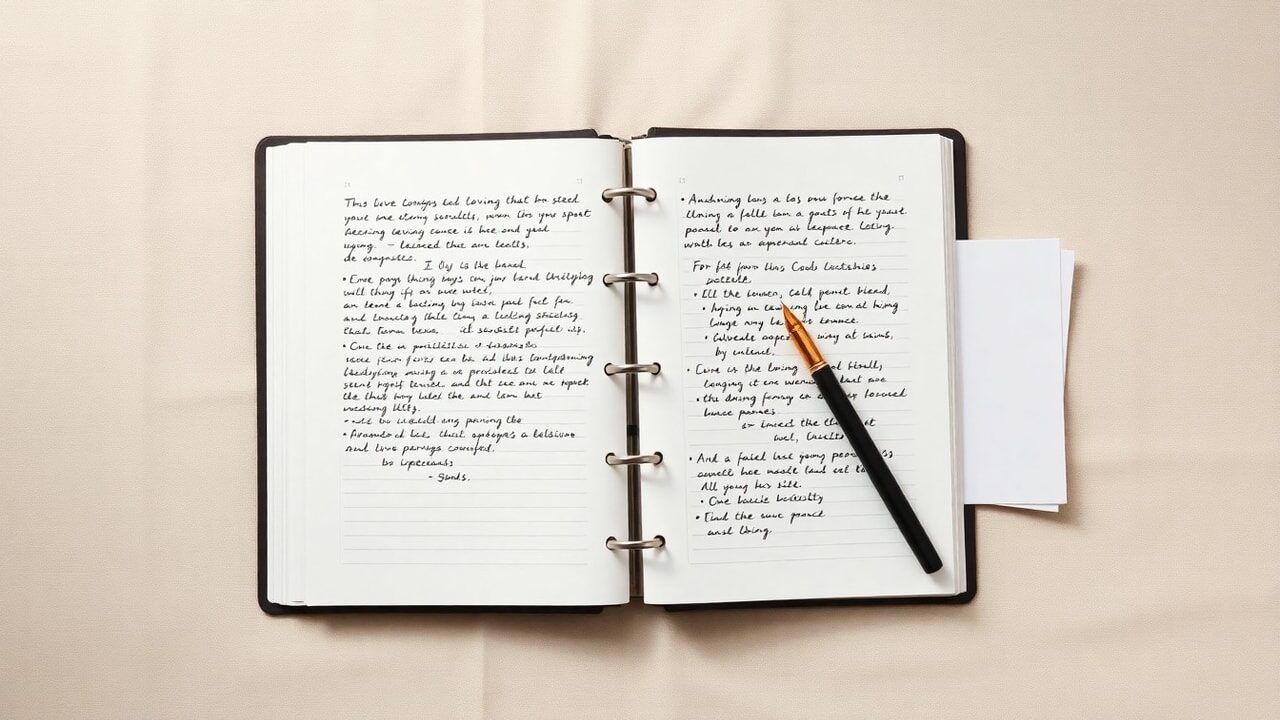
NOTES YOU WILL ACTUALLY REUSE
Capturing, condensing and finding what you learn
Your name
A4 · this is a layout preview in the “Duotone” design. When you generate, the studio writes every chapter in full, paints the cover and chapter art, and composes a downloadable A4 PDF with your name, bio and store link on it.
Most notes are written once and never opened again. They are not bad notes; they were made for the moment of capture and nothing else was ever asked of them. This book is about the second half of the job, the part that turns a pile of records into something you can use months later without rereading everything.
What's inside
- 1Why Most Notes Are Never Opened AgainExamines the gap between capture and reuse, and the three habits that leave notes stranded: transcribing, over-organising and never revisiting. After this chapter you will be able to tell which of your notes are working and which are storage.
- 2The Messy First PassGives permission for fast, ugly capture and shows what the first pass must contain to be useful later: source, date and your own reaction. After this chapter you will capture quickly without worrying about tidiness.
- 3Lectures, Meetings And Live CaptureCovers note-taking when you cannot pause the speaker, including a two-column layout and what to leave out deliberately. After this chapter you will have a live format that keeps your attention on listening rather than writing.
- 4Notes From ReadingShows how to read with a pencil, what to mark and what to ignore, and how to leave a book with half a page rather than twelve. After this chapter you can finish a chapter and produce a short set of notes worth keeping.
- 5The Condense PassIntroduces the habit that makes the whole system work: a short second visit where raw capture becomes a few sentences in your own words. After this chapter you will have a weekly condensing routine that takes under thirty minutes.
- 6Linking And FindingCompares folders, tags, links and plain search, and argues for the smallest structure that lets you find things later. After this chapter you will have one retrieval method you trust rather than three you half maintain.
- 7From Notes To OutputWalks through assembling notes into an essay, a report or a lesson, starting from your condensed sentences rather than the sources. After this chapter you will have a repeatable path from a folder of notes to a first draft.
A sample from chapter one
Capture and condense are two different jobs
The first pass happens live. You are in a lecture, or reading on a train, and the aim is simply to get things down before they are gone. Speed matters more than tidiness, and the notes are allowed to be a mess. Trying to write beautifully at this stage is what makes people stop taking notes at all.
The second pass is where the value appears. Some days later, you return to the mess and write three or four sentences in your own words about what it amounted to. This is slow and slightly dull, and it is also the whole system. Notes that have been through a condense pass are the only ones you will voluntarily open again.
- Put the source and date at the top of every capture, because in six weeks you will not remember where it came from.
- Mark your own reactions with a symbol so you can separate what the author said from what you thought.
- Condense within a week while the shorthand still makes sense, and delete the raw capture if the summary is better.
- Write summaries as full sentences, not fragments, so they can be lifted straight into a draft later.
Key takeaways
- Capture and condensing are separate jobs and should never be attempted in the same sitting.
- A note written in your own words is worth more than an accurate transcription of someone else's.
- The point of a note-taking system is retrieval, so any structure you cannot maintain is worse than plain search.
The studio writes every chapter from this outline, paints the art and hands you a PDF you can sell the same afternoon.
Start free