
🧾 Money · E-book
Paid On Time
Invoicing, terms and chasing without the dread
An e-book
Paid On Time
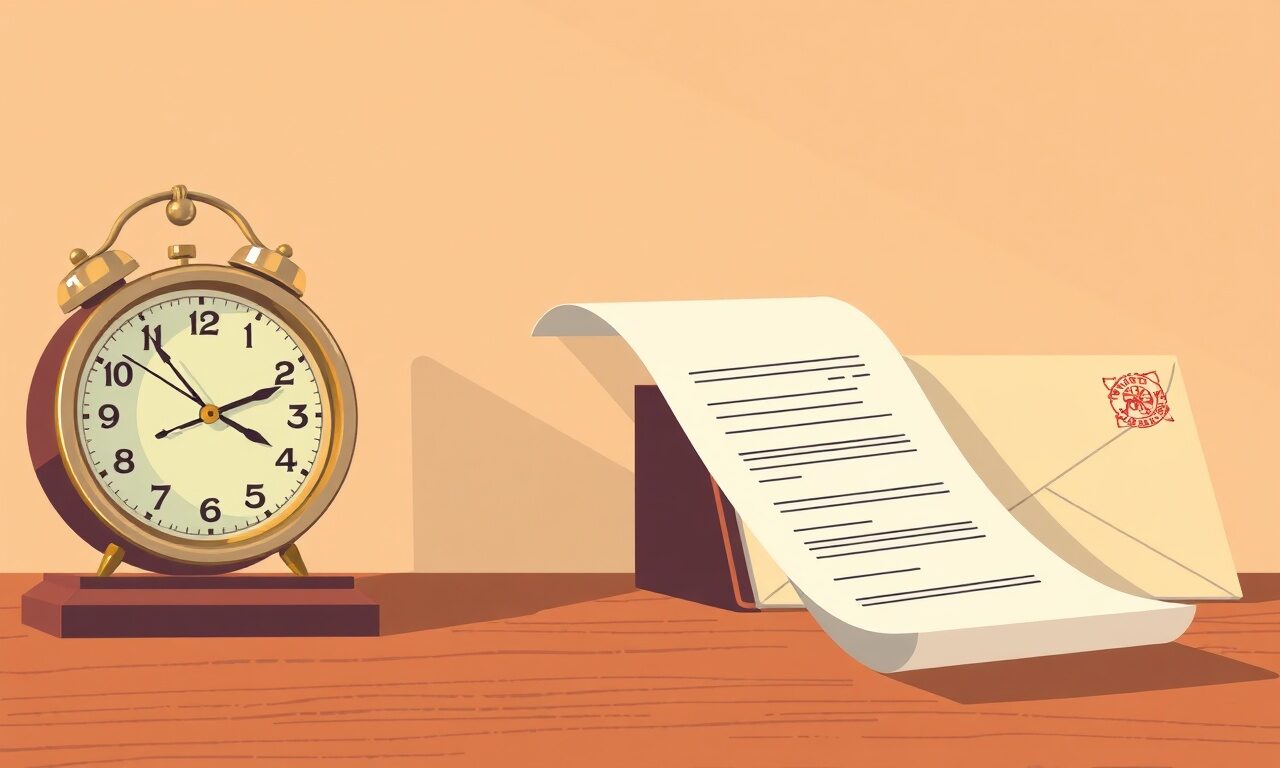
Invoicing, terms and chasing without the dread
Your name
A4 · this is a layout preview in the “Editorial” design. When you generate, the studio writes every chapter in full, paints the cover and chapter art, and composes a downloadable A4 PDF with your name, bio and store link on it.
Late payment is rarely malice and almost never about the invoice you sent. It is about what was agreed before the work started, whose desk the document lands on, and how quickly the first reminder goes out. This book covers all three, in the order they happen.
What's inside
- 1Getting Paid Starts Before the WorkCovers the agreements that decide whether payment is smooth: written terms, a named contact in accounts and a purchase order where one is needed. You will have a pre-start checklist to run before the first hour is worked.
- 2Deposits and Staged BillingExplains how to split the fee across the project so you are never far ahead of the money, and how to ask for a deposit without hedging. You finish with a billing schedule for your usual project size.
- 3What Belongs on the InvoiceGoes through the details that stop an invoice being queried: reference numbers, dates, descriptions that match the contract and clear payment instructions. You will end with a corrected invoice template.
- 4Terms That Shorten the WaitLooks at payment periods, late fees, interest and early settlement, and which of them actually change behaviour. You will choose terms you are prepared to enforce and write them into your contract.
- 5The Chase SequenceSets out a dated sequence of reminders from polite to formal, with wording for each and the point at which you stop working. You will have a schedule that runs itself without an emotional decision each time.
- 6When It Goes Properly WrongCovers the options when an invoice is badly overdue: formal letters, statutory interest, mediation and small claims, and when to write it off instead. You will know your realistic choices before you need them.
A sample from chapter one
Payment is a process, not a favour
Most freelancers treat the invoice as the moment money is requested, which is why chasing feels so uncomfortable. In a well-run arrangement the request happened much earlier, in writing, when both sides were pleased with each other. The invoice is then only a reminder of a decision already made, and following it up is administration rather than confrontation.
That reframing changes the wording as well as the timing. You are not asking the client to be generous. You are asking a finance department to complete a step in a process that your contract described. Reminders written in that spirit are shorter, easier to send on the day they are due, and far more likely to be forwarded to whoever actually presses the button.
- Ask for the accounts contact and any purchase order requirement before the first day of work.
- Take a deposit large enough to cover the work you will complete before the next payment point.
- Send the invoice the same day the milestone is met, because the delay is usually yours first.
- Diary the first reminder for the day after the due date and send it without rewriting the tone each time.
Key takeaways
- Terms you are not prepared to enforce are decoration, so write only the ones you will actually use.
- Staged billing keeps your exposure small, which matters more than any clause in the contract.
- A reminder sent on the due date is normal business practice, and treating it as awkward is what makes it awkward.
The studio writes every chapter from this outline, paints the art and hands you a PDF you can sell the same afternoon.
Start free