
🎙️ Selling & marketing · E-book
The Prepared Candidate
Turning what you have done into answers that land
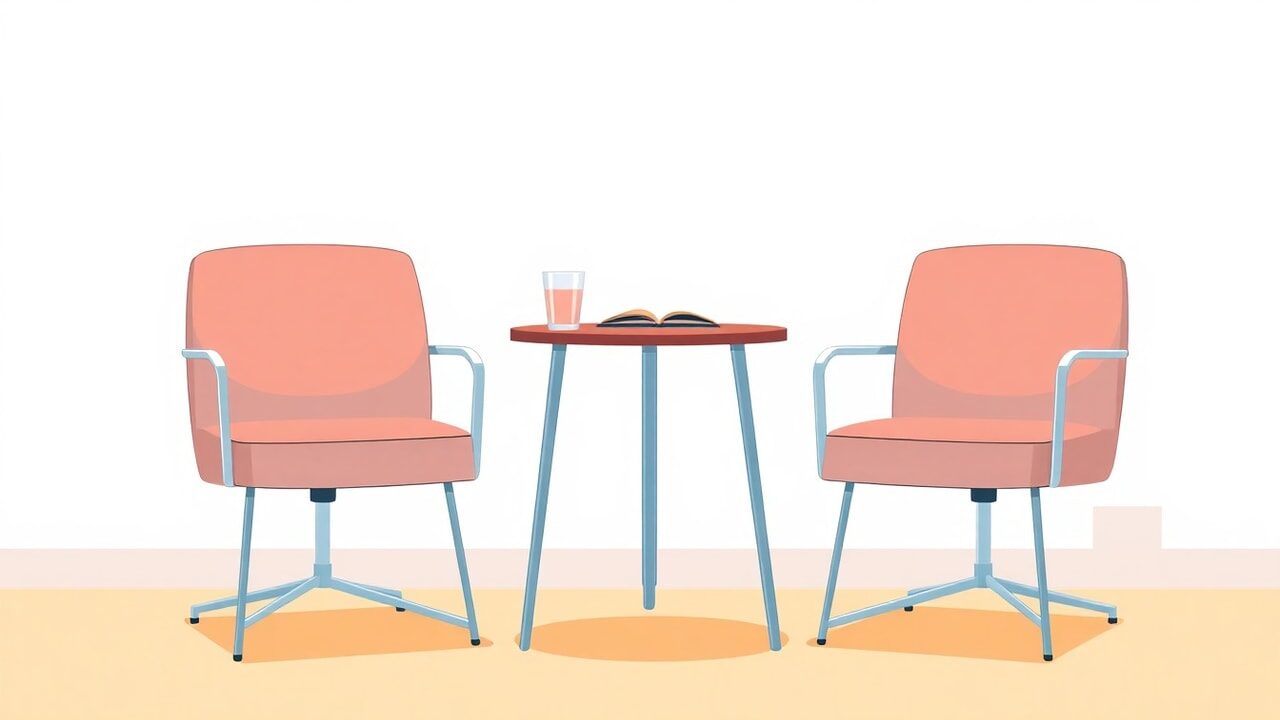
The Prepared Candidate
Your name
A4 · this is a layout preview in the “Tiles” design. When you generate, the studio writes every chapter in full, paints the cover and chapter art, and composes a downloadable A4 PDF with your name, bio and store link on it.
Interviews reward preparation of a specific kind. Not rehearsed lines, which sound like rehearsed lines, but a stock of real examples you can reach for quickly and shape to whatever is asked. This book is about building that stock, and about the parts of the process that happen before and after the room.
What's inside
- 1What The Interview Is Actually ForDescribes what an interviewer is trying to establish, the three questions behind every question, and the constraints they are working under. After this chapter you can read any interview as an attempt to answer those three things about you.
- 2Reading The Advert As A BriefShows how to mine a job advert and person specification for the criteria you will be scored against, including what the ordering of requirements tells you. After this chapter you will have a scored grid of what they need and what you can evidence.
- 3Building An Evidence BankWalks through collecting twelve to fifteen real situations from your work, written once and reusable across questions. After this chapter you will have a document of examples with the numbers, decisions and outcomes already recalled.
- 4Structure Without Sounding RehearsedCovers how to shape an answer so it has a beginning, a decision and a result, and how to keep it under two minutes. After this chapter you can answer a behavioural question from an example rather than from a memorised script.
- 5Technical And Task-Based RoundsDeals with exercises, presentations, take-home tasks and live problem-solving, including how to think aloud usefully. After this chapter you will have a method for working through a task in front of someone without freezing.
- 6Your Questions, And What They RevealExplains how to use your own questions to gather information you actually need and to leave a particular impression. After this chapter you will have six questions prepared, chosen for what the answers will tell you about the job.
- 7After The RoomCovers follow-up, waiting, negotiating an offer and reading a rejection for useful information. After this chapter you will know what to send, when to chase and how to keep a rejection from costing you the next interview.
A sample from chapter one
Three questions behind every question
Whatever the interviewer says out loud, they are trying to settle three things. Can this person do the work. Will they be straightforward to work with. Will they still be here in eighteen months. Nearly every question, however oddly phrased, is a route into one of those three. Knowing which one you are being asked tells you which example to reach for.
This is why a strong answer to the wrong question still scores badly. Asked about a disagreement with a colleague, a candidate who describes a technical triumph has answered question one when question two was asked. The content was good. The evidence was irrelevant. Listen for the underlying concern before you choose your example.
- Write your evidence bank as bullet notes, never full sentences, so you speak from memory rather than recite.
- For each example, record the constraint you were under, the decision you made and what happened afterwards.
- Prepare two examples of work that went badly, including what you would do differently, before you are asked.
- Time three of your answers aloud with a clock running; anything over two minutes needs cutting, not rearranging.
Key takeaways
- Every interview question is an attempt to settle capability, workability or longevity, and your answer should serve the right one.
- An evidence bank written once can be reshaped on the spot, which is what makes preparation sound natural.
- The questions you ask are part of your assessment, so choose them for the information you need rather than for effect.
The studio writes every chapter from this outline, paints the art and hands you a PDF you can sell the same afternoon.
Start free