Instagram buys this, YouTube buys that: reading sources per product
Your platforms do not send the same buyer. Compare traffic source against each product's buyers and revenue, then post what each channel actually purchases.
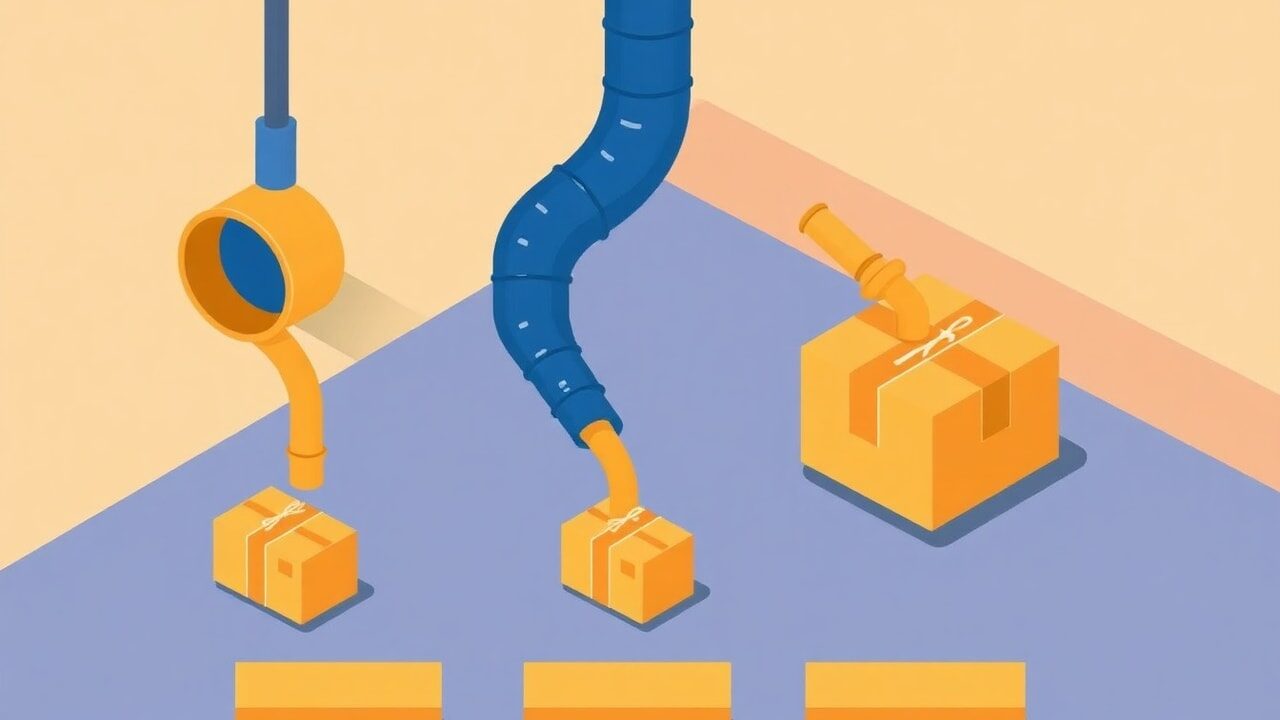
Two products, same storefront, same month. The £14 template pack sells steadily and the £180 coaching package sells almost never, and you conclude that your audience will not pay proper money. Then you look at where each product's buyers came from, and the picture changes completely: the templates are all short-form video, the coaching is all newsletter and search, and you have been judging a channel by a product it was never going to buy.
Why the blended number lies to you
Most creators look at one figure: total visits and total sales. That figure averages a channel sending browsing viewers with a channel sending people who typed a specific question into a search box. The average describes neither of them. It is the statistical equivalent of standing with one foot in ice and one in boiling water and reporting that you are comfortable.
Intent is the variable doing the work. Somebody who found you through an entertaining clip was not shopping. They were being entertained, and you interrupted that with an offer. Somebody who arrived from a search result had a problem thirty seconds ago and is looking for anyone credible to solve it. Both are valuable. They are not interchangeable, and a product that suits one will bounce off the other.
The hard part is that this is genuinely tedious to see. You have to hold two reports in your head at once, and the sample sizes for individual products are often small enough to be noisy. There is no single dashboard number that will hand you the answer. What you can do is set the data up so the comparison takes ten minutes a month instead of an afternoon.
One report or two
The difference between these columns is not sophistication, it is which question you are asking. Storefront-level reporting answers where people come from. Per-product reporting answers what those people do once they arrive, which is the part that pays.
| Judging channels on traffic alone | Reading source against each product |
|---|---|
| The biggest channel is whichever sends the most clicks | The best channel is whichever produces the most revenue |
| A high-volume, low-intent platform looks like your winner | A smaller platform sending buyers of your £180 product is visible |
| Poor sales on one product read as a pricing problem | Poor sales read as a mismatch between product and channel |
| Every product is promoted the same way everywhere | Each channel gets the product it has already shown it buys |
| No basis for deciding what to post where | The posting calendar follows the revenue, not the impressions |
| Content changes are guesses | Views, buyers and revenue per product are the feedback loop |
The ten-minute monthly read
Do this on the same day each month, with last month's numbers, before you plan your content. Keep a single running sheet so you can see the pattern rather than a snapshot.
Monthly source and product read
0/7How a mismatch shows up
Take a creator with three products: a £9 preset pack, a £49 course and a £180 coaching block. Her monthly report shows short-form video sending the majority of views, search sending a modest slice, and her newsletter sending the smallest slice by far. On traffic alone, the newsletter looks irrelevant.
Then she reads the product side. The preset pack has a lot of buyers and modest revenue. The course sits in the middle. The coaching block has four buyers, and all four are people she recognises from her newsletter. That single observation reframes the whole month: her smallest channel is producing a substantial share of her revenue, and the answer is not to abandon short-form but to stop expecting it to sell the £180 product. She keeps the clips selling the £9 pack, and she starts writing about the coaching in the newsletter. Those figures are an illustration, not a forecast, but the shape of the discovery is extremely common.
See views, buyers and revenue for every product you sell, from your first month trading.
Open a storefrontThe mistake most people make
The frequent error is fixing the product when the mismatch was in the channel. Prices get cut, sales pages get rewritten, and the offer gets watered down, all because a premium product did not sell to an audience that arrived for entertainment. Before you change the product, change where you are pointing it. Your analytics will tell you within a month whether the channel or the offer was the problem.
The second error is acting on one month of data. Individual products can produce very small numbers, and a single unusual week will swing them. Wait for two or three consistent months before you make a structural change like retiring a product or leaving a platform. In the meantime you can keep the low-commitment channels earning through cheap digital downloads and free lead magnets, which is what they are good at. The plans page shows where full analytics begins.
As a rough guide, ten buyers on a product before you draw any conclusion, and thirty before you make an expensive decision. Below ten, you are reading noise.
Then your task is different: work out which product that channel buys best, and treat building a second channel as a resilience project rather than a revenue project for now.
Usually not. Start by pointing existing products at the channels that suit them. Building new products per channel multiplies your workload and rarely pays for itself until you are certain of the pattern.
Yes, and it is arguably clearer. With price held constant, differences in buyers per product are about subject and intent, which is exactly what you want to learn.
Your channels are not competing to be the best one. They are doing different jobs, and most of them are doing their job perfectly well once you stop asking the wrong product of them. Read the two reports together for three months and the posting plan writes itself.
Put every product on one page and start matching each channel to what it buys.
Try it freeTurn your knowledge into income
Launch your Store.Fan in minutes — sell digital products, courses, and calls straight from your bio. Free to start.