What a sample pack costs before the first beat is downloaded
Account for recording, editing, naming, tagging, licensing and customer support when pricing music samples.
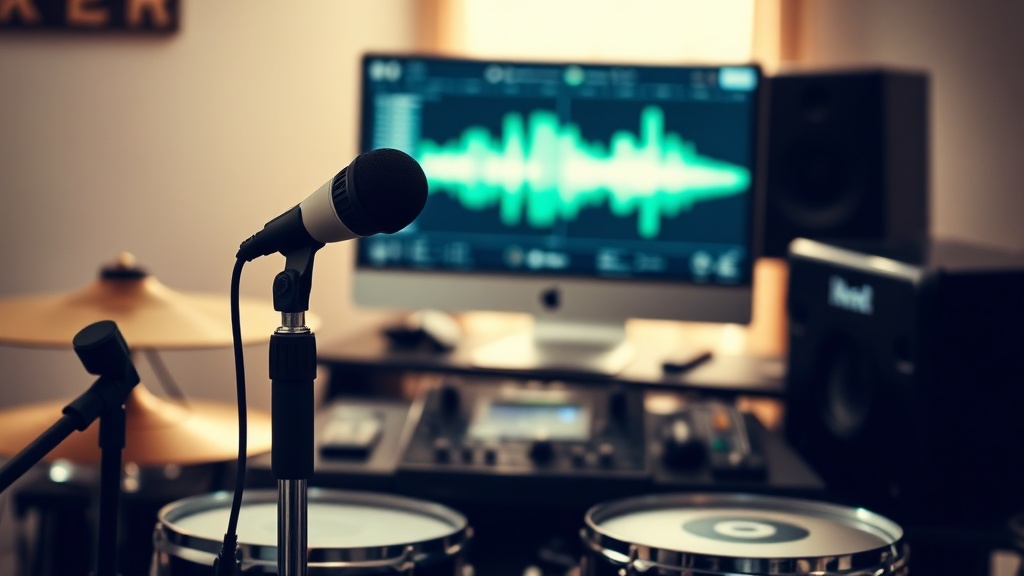
You have finished the last hi-hat loop, bounced the stems and uploaded the preview. Then you notice the sample pack still needs filenames, tempo information, key signatures, licence wording, a checkout page and answers to the question customers will ask when the download does not appear. The beat may be finished, but the product is not.
Start with the work before the shop exists
A sample pack often looks like an audio folder from the outside. From your side, it is a chain of decisions. You choose the source sounds, record or programme variations, remove unwanted noise, check levels, export files, name them consistently, write the licence and prepare a way for a buyer to receive them.
Write down each task and the time it takes. Do not rely on the memory of how long the creative part felt. If recording takes 5 hours, editing takes 4, naming and tagging takes 2, licensing and documentation take 2, and the product page and testing take 2, the pack has already taken 15 hours before customer support.
| Task | What to count | Example hours |
|---|---|---|
| Recording or programming | Sound design, performances, variations and retakes | 5 |
| Editing and export | Cleaning, trimming, fades, levels and file formats | 4 |
| Naming and tagging | File names, BPM, key, instrument and folder structure | 2 |
| Licence and documentation | Usage terms, readme file and examples | 2 |
| Storefront preparation | Preview, product copy, upload, checkout and test download | 2 |
The example totals 15 hours. Add a separate line for support rather than hiding it in a general buffer. Support can include locating a missing email, explaining the licence, helping someone unzip the files or clarifying whether a sound can be used in a commercial release.
Turn time into a recoverable price
Choose an hourly rate that represents the work, even if you do not pay yourself that amount immediately. Suppose your target rate is £30 an hour. Fifteen hours of preparation gives a labour cost of £450. If you expect 30 sales, the preparation portion is £15 per sale. If you expect 10 sales, it is £45 per sale.
The arithmetic is deliberately plain: (preparation hours × target hourly rate + direct costs) ÷ expected sales = cost to recover per sale. Direct costs might include commissioned artwork, paid software used specifically for the pack or other expenses you can identify. Add the payment processing fee to your margin calculation rather than pretending the listed price is the amount you keep.
This is not a prediction machine. Expected sales are an assumption, so write down why you chose the number. You might base it on the size of your existing audience, previous launches or a conservative first release. If you have no useful evidence, model three cases: a small number of sales, a middle estimate and a stronger result. Price the pack so the smallest case does not make the project unacceptable.
Charge for usability, not file count
A pack with many files is not automatically more useful. A buyer may value clearly labelled one-shots, consistent loudness, sensible folders and previews that show how the sounds fit together. These features shorten the buyer’s search. They also take time to produce.
- 1Give every file a naming pattern that a customer can understand without opening it.
- 2Include practical metadata such as tempo and key where it applies.
- 3Use folder names that describe the contents rather than your private project shorthand.
- 4Add a short readme explaining the licence, installation or import steps and what is included.
- 5Listen to the final download as a customer would, not only to the master folder on your computer.
This is where a digital product storefront earns its keep. You need a reliable delivery path, a clear product page and a checkout that does not require you to send files manually. With store.fan digital downloads, the sample pack can be sold as a downloadable product rather than handled through individual messages. Store.fan sends money straight to your own Stripe account and takes 0% of sales; Stripe’s own processing fee still applies.
Write the licence before you announce the pack
Licensing is part of the product, not a paragraph to add after launch. State what the buyer may do with the sounds, whether they may use them in commercial music, and what they may not do. For example, you may allow use in finished tracks while prohibiting reselling or redistributing the isolated files. Use wording you understand and get professional advice if your terms need to cover complicated rights.
Also distinguish between the sound recording and any underlying composition or performance rights. If you used material you do not fully control, check that you have permission to include and license it. A polished folder cannot repair unclear ownership.
Build support into the launch
Support tends to arrive after the sale, when the original production work feels complete. Give it a cost before launch. You could estimate one support hour for every 20 expected customers, then revise the estimate after the first release. If your delivery instructions answer the common questions, the support burden should fall. If customers keep asking the same thing, improve the product page or readme before adding more personal replies.
Keep a short support log with the question, the answer and the change you made. This turns repeated help into documentation. It also tells you whether the problem is the download, the licence, the file organisation or the customer’s expectations.
Choose a storefront and a launch path
Your shop should make the next action obvious: hear the preview, understand the contents, read the licence and download after payment. Store.fan gives you a storefront at store.fan/yourusername. The free plan is link-in-bio only, while paid plans start with a 14-day trial, so include the plan cost in your own decision about whether the pack is worth launching.
If you already have permission-based subscribers, email marketing can help you explain the pack’s use rather than merely announce its existence. A short preview, a contents list and one practical example give a buyer more information than a long claim about quality. You can also use discount codes for a launch window, but calculate the reduced price first so the discount does not remove the labour you meant to recover.
Use file count as context, not the main formula. The time saved by good editing, tagging and organisation may matter more than whether the folder contains 50 or 200 files. Start with the cost you need to recover and the usefulness you can demonstrate.
Model a conservative, middle and stronger sales case. Use the conservative case when deciding whether the project is financially acceptable, and record the actual result so the next estimate is based on your own evidence.
Reduce the scope instead. Make a smaller pack with fewer sound families, reuse a tested delivery and documentation system, or release a focused version before expanding it. Lowering the price while keeping all the work simply shifts the cost to you.
Map the hours, write the licence and set up your sample pack for delivery.
Start your trialTurn your knowledge into income
Launch your Store.Fan in minutes — sell digital products, courses, and calls straight from your bio. Free to start.