The line on their bank statement is your cheapest dispute defence
Most disputes start with a buyer who did not recognise a charge three weeks later. Your Stripe statement descriptor is the cheapest fix you will ever configure.
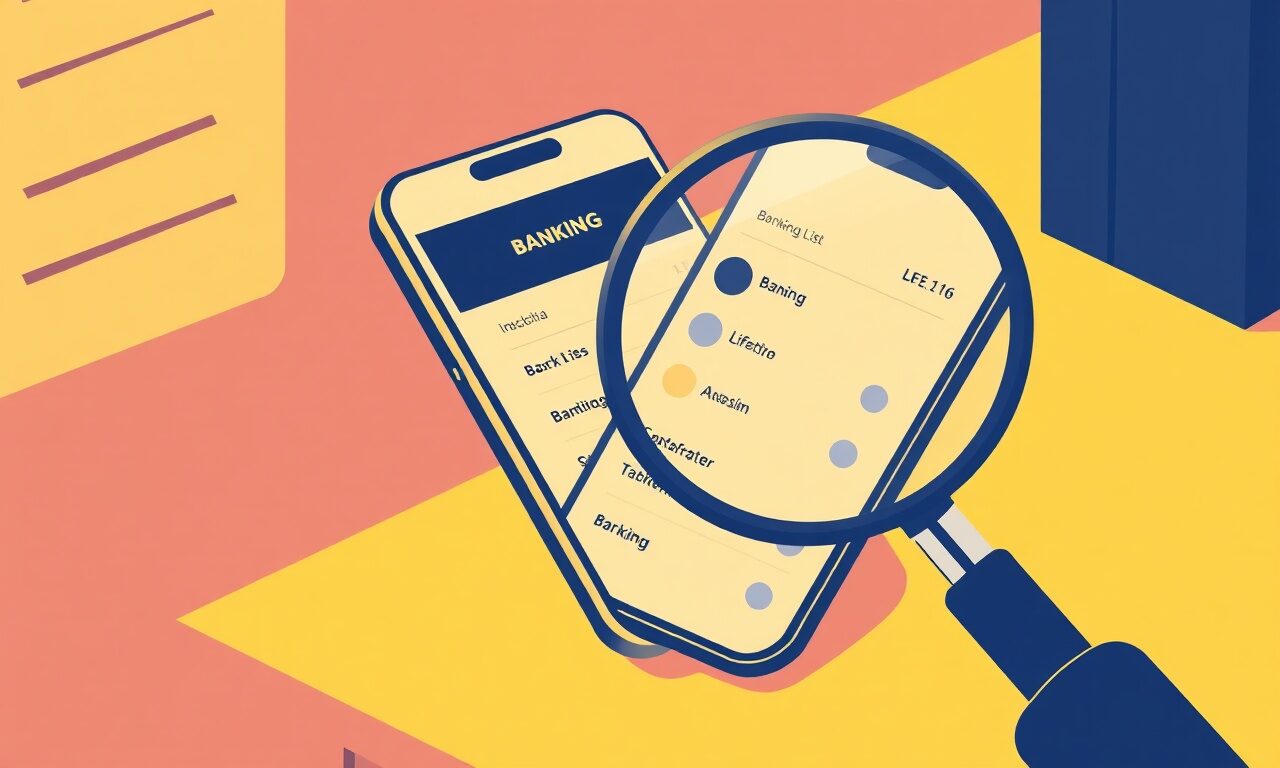
Open your own banking app and scroll back three weeks. There will be at least one line you have to think about — an abbreviation, a company you have never heard of, a city you have not visited. Most people, faced with that, tap the thing labelled "I don't recognise this" because it is the fastest way to make the uncertainty stop. That tap is a dispute, and it is where a meaningful share of creator chargebacks begin. Not fraud. Not regret. Just a line of text that failed to remind someone of a purchase they were perfectly happy with.
Why recognition is where disputes come from
Think about the gap. Someone buys a template on a Tuesday evening from a link in a story. Payment clears, file arrives, they are delighted. Nineteen days later their card statement arrives with forty other lines on it, and the entry from that Tuesday says something like a truncated company name they have never seen. They cannot connect it to the template. They cannot connect it to you, because they do not know your limited company is called anything at all.
The genuinely difficult part is that these disputes are not adversarial. The buyer is not trying to steal from you. If you rang them up they would apologise. But by the time you know about it, the bank has already reversed the money and applied a fee, and getting it back means submitting evidence and waiting weeks for a decision that is not yours to make. Preventing one of these is worth many hours spent winning one.
This is one of the areas where taking payments on your own Stripe account genuinely changes what you can do. The merchant record behind the charge is yours. The descriptor is a field you control, not a marketplace name shared with thousands of other sellers, and consistency between that field and everything else you publish is something you can actually achieve.
A shared merchant name, or your own
Plenty of creator platforms process payments through their own accounts and pass you the balance later. It works, and it also means the line on the buyer's statement is somebody else's brand — often one the buyer has never encountered.
| Charged under a platform's name | Charged under your own |
|---|---|
| Statement shows a marketplace the buyer has no relationship with | Statement shows the name you publish everywhere else |
| Descriptor is fixed by the platform and cannot be tuned to your audience | Descriptor is a field in your own Stripe settings that you set once |
| Disputes are handled between the buyer and the platform, with you informed | Disputes come to you, and you hold the evidence needed to answer them |
| Funds pass through someone else before reaching you | Payments land in your account directly; store.fan never holds the money |
| A commission is taken from every sale before you see it | 0% platform fee on every plan, with Stripe's own card fees the only deduction |
Setting it up properly, once
This is a fifteen-minute job that you will never repeat. Do it before your next launch rather than after your next dispute.
- 1Decide the name your buyers know. Not your legal entity, not an acronym you invented, but the handle or brand they saw on the page they bought from. If your storefront says Mila Baking Club, the statement should say something a person can connect to Mila Baking Club.
- 2Open the public business details in your Stripe account and set the statement descriptor to that name. The field is short — currently around twenty characters, though the exact limit varies by account and country — so choose which words survive the truncation rather than letting the system choose for you.
- 3Check the shortened or dynamic descriptor options while you are there. Some accounts let you add a per-charge suffix; if yours does, keep it readable rather than clever.
- 4Set a support email and, if you have one, a support phone number and website in the same section. Many banking apps surface these next to the transaction, which turns a potential dispute into a message to you.
- 5Make the same name your store.fan storefront title, so the page at store.fan/you and the line on the statement agree.
- 6Use the same name as the sender on any email you send, so purchase confirmations and later marketing reinforce the same word.
- 7Buy something from yourself for the smallest amount you sell, and look at how it appears in your own banking app in a few days. This is the only test that tells you the truth.
The consistency audit
0/5The economics of a fifteen-minute change
Suppose you take 150 sales in a quarter at an average of $35. Say two disputes arrive, both of them recognition failures from people who were happy with what they bought. You lose the two sales, you pay two dispute fees, and you spend an hour or two assembling responses to a process where the outcome is decided by somebody else. The fee alone often exceeds the value of a small digital sale, which is why a $35 dispute can cost you considerably more than $35.
Now suppose the descriptor says the name they follow you under, your support email is visible in their banking app, and your confirmation email arrived from the same name. One of those two buyers recognises the line and does nothing. The other emails you and you sort it out in a message. That is the whole return on a settings change you make once, and it keeps returning for as long as you sell.
If you are still taking payments through DMs and payment links, connect your own Stripe account and start with a statement line your buyers recognise.
Connect Stripe freeThe mistake most people make
The mistake is using the legal entity name because it feels more official. Nobody follows your limited company. They follow a person or a brand with a particular name and a particular avatar, and the whole job of a descriptor is to trigger a memory in under a second while someone scrolls. If your company is registered as Hartley Digital Ventures Ltd but your audience knows you as Bakes by Jo, the descriptor should say Bakes by Jo. The registered name still appears where it needs to, in your invoices and your Stripe account records. Optimise the statement line for recognition, because recognition is the only job it has. For everything that happens once a dispute is already open, our evidence kit guide covers the response itself.
Short — commonly around twenty characters for the complete descriptor, with the exact limit depending on your account and country, and card networks sometimes truncating further. Check the field in your own Stripe settings rather than trusting a number in an article, and write something that still makes sense if the last few characters disappear.
Some Stripe accounts support a dynamic suffix on individual charges. Before reaching for it, ask whether it helps the buyer. One consistent name they recognise usually beats a precise product code they do not. Save any suffix for cases where you genuinely run two distinct brands.
Indirectly. It is part of showing that the charge was clearly presented and matched what the buyer bought. The heavier evidence is the delivery record, the order-form answers where they exist, and any messages you exchanged. The descriptor's real value is preventing the dispute from being opened at all.
Recognition still works the same way, but expect more variation in how the line is displayed, and expect currency conversion to make the amount look different from your price. Adding your support email to your Stripe public details is worth more here than anywhere, because a confused buyer abroad has fewer easy ways to reach you.
There is not much in running a store where fifteen minutes of configuration pays back permanently, and this is one of them. Set the name, match it everywhere, buy something from yourself and look at the result. Then leave it alone for years. If you are weighing up how payments are handled before you commit, the features overview and FAQ set out how the money moves.
Take payments on your own account, under your own name, with no platform cut in the middle of it.
Open a storeTurn your knowledge into income
Launch your Store.Fan in minutes — sell digital products, courses, and calls straight from your bio. Free to start.