The Habit Decay Curve: Why Most Creators Quit Their Routine on Day 17 (And How to Push Through)
The science of why new routines collapse right when they start feeling boring — and the fix that keeps creators posting past the dip.
Nobody quits a new posting routine on day one. Day one has adrenaline, a fresh content calendar, and the high of announcing to yourself that this time is different. The quitting happens later, with eerie regularity, around the same point: not week one, not month three, but the second or third week, right when the new-routine dopamine has worn off and the payoff hasn't shown up yet. If you've ever abandoned a posting schedule, a newsletter, or a content challenge and felt embarrassed about it, the truth is less about your discipline and more about a predictable curve almost every creator rides — and one very specific, very survivable dip in the middle of it.
The curve nobody warns you about
Behavioral research on habit formation — going back to Phillippa Lally's widely cited UCL study — points to something creators rarely hear framed this way: consistency doesn't fail gradually and evenly, it fails in a specific shape. Early on, novelty and identity ("I'm the kind of person who posts daily now") carry you for roughly two weeks. Then the curve bends hard downward, because newness and hope for fast results run out at almost the same moment. Newness fades because repetition is, definitionally, no longer new. Hope fades because two to three weeks is exactly long enough to post consistently without yet seeing the follower count, reply, or sale that would have justified it. That collision point is where the quitting happens — call it day 17, give or take, the average location of the steepest part of the drop.
This reframe matters. If consistency feels like a character trait, missing day 17 feels like proof you're not cut out for this. If it's a predictable curve everyone rides, day 17 becomes a known obstacle you can plan for — like knowing mile 20 is where a marathon gets hard, instead of being blindsided by it.
Why the dip lands exactly there
Three things stack on top of each other around the two-to-three-week mark, and any one of them alone is manageable — together, they're what actually causes people to stop.
- The novelty tax expires. Anything new gets a temporary motivation subsidy. By week three, posting feels like a chore you volunteered for.
- The feedback loop is still empty. Algorithms, audiences, and buyers all need repeated exposure before they respond. Two weeks is rarely enough for the world to notice, let alone reward you.
- The initial plan was oversized. Most new routines are set at a pace only a highly motivated, day-one version of you could sustain. That plan was written by someone who hadn't yet hit the dip.
What actually pushes people through it
The creators who make it past day 17 don't have more willpower — they've made the routine cheaper to keep, or built in a reason to show up that doesn't depend on motivation. Three tactics show up again and again in the ones who survive the dip.
1. Shrink the minimum viable version before you need it
Decide in advance what the smallest version of "I still did the thing" looks like on a bad day — a single Story instead of a full post, three sentences instead of a polished caption. Set this floor before the dip, not during it, because in the moment your brain will negotiate it down to zero. A pre-agreed minimum keeps the streak alive without demanding day-one energy on a day-seventeen tank.
2. Make the streak visible
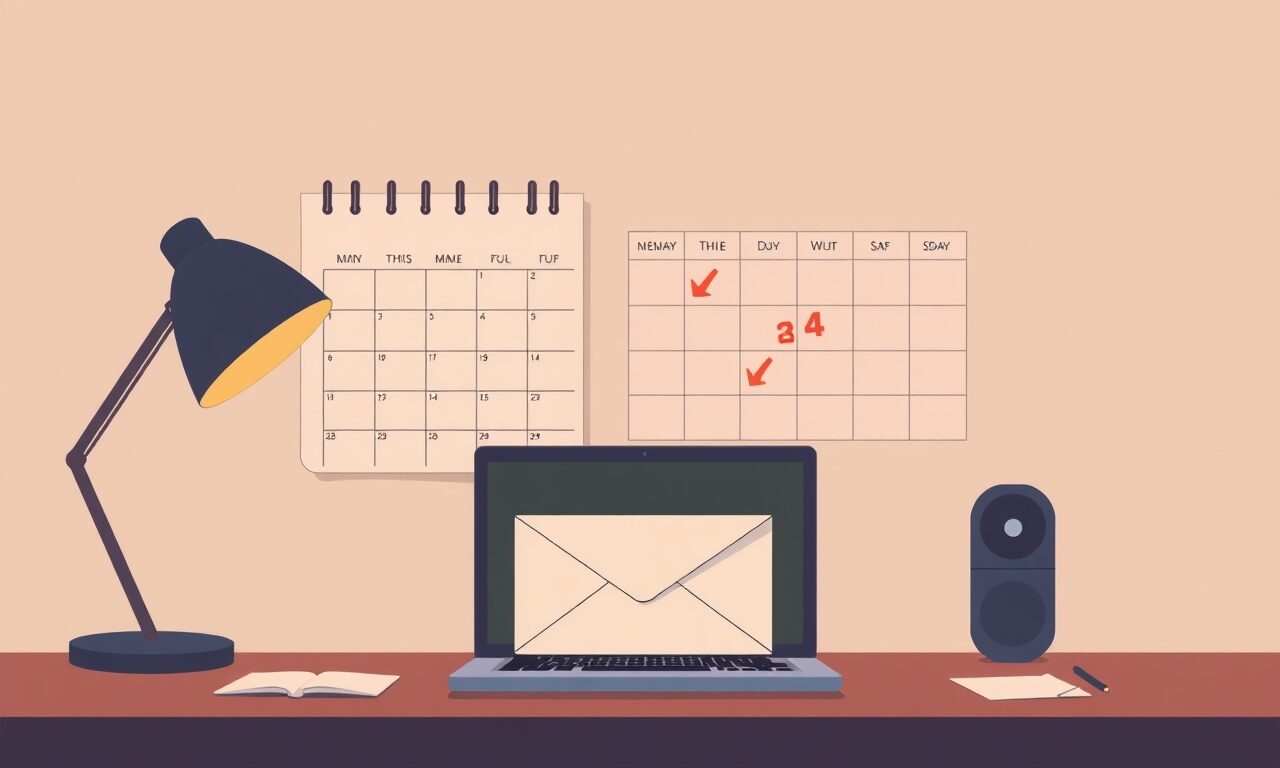
A visible counter — a checked box, a calendar streak, a simple tally — converts an abstract feeling ("I've been trying") into a concrete number you don't want to reset to zero. That's loss-aversion working for you: it's harder to break a streak you can see than to quietly let a vague intention lapse.
3. Attach the routine to a number that already moves
This is the one most creators skip, and it's the one with the most leverage: give the routine a scoreboard that updates before your audience does. If every post links back to a live product — a template, a mini-course, a coaching call — you get a second feedback loop running in parallel with the slow one. A small sale, a new subscriber, or a single click on your link is real, immediate evidence the routine is doing something. Creators who open their store.fan before they start a posting streak tend to survive the dip more often, because they're checking a dashboard that occasionally moves instead of posting into silence.
| Signal you're tracking | How fast it usually moves | Why it matters at day 17 |
|---|---|---|
| Follower or subscriber count | Slow — weeks to months | Silent for exactly the window where quitting happens |
| Engagement (likes, replies) | Slow-to-medium, inconsistent | Easy to misread a quiet week as total failure |
| A visible posting streak | Instant — updates same day | Gives your brain a number to protect, immediately |
| A store sale or new lead | Can happen from day one | Real evidence the routine already works, before the audience does |
Motivation gets you to day one. Structure gets you past day seventeen.— store.fan team
Building your own day-17 survival kit
None of this requires a personality transplant. It requires deciding, before the dip arrives, exactly what you'll do when it does — because deciding in the moment is precisely what the dip makes hardest. Set the plan now, while you still have day-one clarity.
Set this up before you start your next routine
0/5Where a real storefront fits into this
The strongest anti-decay tool available to a creator isn't a mindset trick — it's having something to actually sell. A posting routine with no destination is effort spent hoping an algorithm notices. A routine that funnels toward one link — store.fan/username — where a digital download, a course, or a coaching call is one tap from checkout, gives every post a job beyond "perform well." Even a quiet week where a $9 template sells twice is concrete proof the system works, exactly what's missing during the dip.
Setup order matters more than creators assume. Building an audience first and monetizing later means your hardest consistency window happens with zero revenue feedback. Flipping that order, so a lightweight offer is live from day one, means the dip arrives while you already have a real signal to hold onto — a free plan to start, one product, and a Pro plan decision you can make later once the routine sticks.
Give your next posting streak a scoreboard that can move before your audience does.
Start freeIf you're not sure what to sell yet, that's a separate (and solvable) question — the blog has more guides on picking a first offer, and a live example store shows what a simple, working setup actually looks like once it's out in the world instead of stuck in planning.
FAQ: surviving the day-17 dip
Not a fixed law — it's the average location of the steepest drop in motivation for a new routine. For some it's day 14, for others day 21. The point is that the dip is predictable and time-bound, not a personal failing.
Restart with a smaller minimum viable version, and this time have something live to sell before you start posting again. A failed streak is data about what the plan was missing, not proof you can't be consistent.
No. Digital products, memberships, and coaching calls can sell from a small, engaged following, and having an offer live earlier gives your posting routine a faster feedback loop.
A live storefront turns each post into something with a measurable outcome — a sale, a lead, a click — instead of a post into the void. A single sale during a rough week is tangible proof the system works, exactly the evidence that's scarce during the dip.
Check the FAQ for common questions on products and delivery, or contact support if something's specific to your setup.
Turn your knowledge into income
Launch your Store.Fan in minutes — sell digital products, courses, and calls straight from your bio. Free to start.