The Creator Burnout Recovery Playbook: Bouncing Back After a Launch
Launch adrenaline always crashes — plan the landing before you plan the takeoff.
Every launch has the same shape: weeks of building anticipation, a frantic 48-hour sprint of posting, replying, and refreshing your sales page, and then — silence. The carts close, the notifications slow down, and the thing you'd been pouring yourself into for a month is suddenly just... done. That silence is where creator burnout actually lives. Not in the launch itself, which runs on adrenaline, but in the 5-10 days after, when the adrenaline is gone and there's nothing left to run on. If you've ever felt strangely flat, irritable, or allergic to your own laptop the week after a big push, you weren't imagining it. You were crashing. And crashes are survivable — if you plan the landing with the same care you planned the takeoff.
Why the crash hits exactly when it does
Launch week runs on a cocktail of urgency and validation: countdown timers, DMs pinging in, sales notifications landing every few minutes. Your nervous system treats that like a low-grade emergency, and emergencies are exhausting to sustain even when they're exciting. When the emergency ends, the body doesn't just relax — it often overcorrects into fatigue, brain fog, or a mood dip that can last anywhere from three days to two weeks. Creators frequently mistake this for a sign that something is wrong with the business ("the launch flopped," "I've lost my spark") when it's really just biology settling an adrenaline debt.
Build the rest protocol before you build the launch
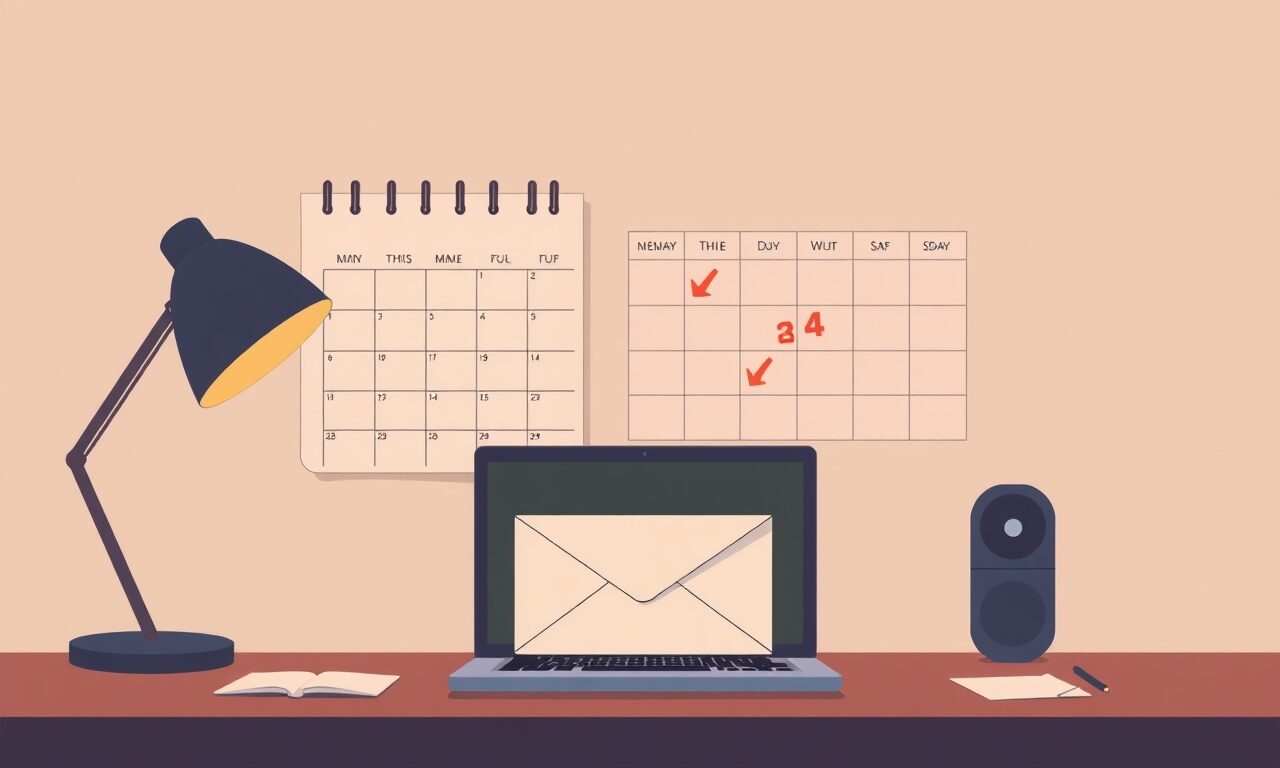
The single highest-leverage move is deciding your recovery window before launch day, not after. Put it on the calendar with the same seriousness as the launch dates themselves. A workable default: 48 hours of near-total disconnection immediately after cart close, followed by 5 days of "maintenance only" work — replying to customer questions, nothing new created.
- 1Block the 48 hours after close in your calendar as unavailable, and tell your audience in advance so silence doesn't read as abandonment.
- 2Write a short "back soon" auto-reply for your inbox and socials covering that window.
- 3Pre-decide one non-negotiable rest activity per day (sleep in, a walk, a meal with no phone) — vague plans to "rest" rarely survive contact with a to-do list.
- 4Schedule your first re-entry task for day 3, not day 1 — something low-stakes like reviewing sales numbers, not creating anything new.
- 5Tell one other person your plan so you have accountability to actually stop, not just intention to stop.
Let the business run without you while you're down
The reason most creators can't actually take those 48 hours is fear: what if someone buys and I'm not there to deliver it? This is the exact problem automated delivery solves. Once your product, course, or coaching page is set up on your store.fan storefront, a purchase triggers instant, automatic delivery — the buyer gets their download link, course access, or booking confirmation on-screen and by email the moment they pay, with zero manual steps from you. That's not a nice-to-have during a launch crash; it's the entire reason a launch crash doesn't have to become a customer-service crisis. Your storefront doesn't get tired. It doesn't need a rest protocol. It just keeps fulfilling orders at 2 a.m. while you sleep through the adrenaline debt.
Before you go dark, do a 20-minute audit: confirm every product's delivery is actually automatic (not "I'll email the file personally"), check that your discount codes are set to expire on schedule so you're not manually turning off a promo, and make sure any 1:1 coaching or webinar links are attached to the product so buyers get them without a message from you. That 20 minutes buys you the entire rest window guilt-free.
The business shouldn't need you to be awake in order to keep its promises to customers.
Re-entry: the 3-day ramp back to work
The mistake most creators make on re-entry is trying to snap back to full output on day one — answering every DM, planning the next launch, auditing every metric, all before lunch. That's how a manageable crash turns into a two-week slump. Instead, ramp back in stages so your energy has time to actually rebuild rather than being borrowed against again immediately.
- Day 1 back: Review only. Check sales totals, read a handful of customer replies in your inbox, note what stood out. No new content, no new offers.
- Day 2 back: Maintenance. Reply to outstanding customer questions, send one thank-you note to buyers, tidy your customer list. Still no new creation.
- Day 3 back: Light creation. One piece of low-stakes content — a behind-the-scenes post, a reply to a comment thread — to test the water without committing to a new push.
- Day 4+: Normal cadence resumes, but hold off on scheduling the next launch date until you've had at least one full week of steady, un-adrenalized work.
Defusing relaunch anxiety
Relaunch anxiety is the quiet dread that shows up a week or two later, when it's time to think about the next push and your body remembers exactly how depleted the last one left you. Left unexamined, it turns into procrastination dressed up as "waiting for the right idea." The fix isn't more willpower — it's separating the parts of the last launch that were genuinely hard from the parts that were just badly paced.
Do a five-minute debrief while it's still fresh, and be specific rather than vibes-based. Instead of "that launch drained me," write down: day 2 of promo I posted every 90 minutes and answered every DM in real time — that's what drained me, not the offer itself. Most relaunch anxiety traces back to two or three concrete, fixable habits — over-posting, real-time DM monitoring, no buffer day before cart close — not to the fundamental act of selling. Naming the actual cause turns dread into a checklist for next time, which is a much easier thing to face than a vague feeling of doom.
Design for the crash, not just the peak
Sustainable creators aren't the ones who never crash — they're the ones who stopped being surprised by it. Build the rest window into your launch calendar from the start. Lean on automatic delivery so the business keeps its promises while you're offline. Ramp back in over three days instead of one. And debrief honestly so next time's dread has less to feed on. The goal was never to launch without a crash landing. It's to build a landing pad soft enough that you bounce back instead of shatter.
Turn your knowledge into income
Launch your Store.Fan in minutes — sell digital products, courses, and calls straight from your bio. Free to start.